Bake ‘n’ Butty
Fairy lights all year round
Three clocks working triple time
More seating at the rear and
Above the sound of something frying in a pan
Laughter
The scrape of cutlery on finished plates
Stacked and cleared
Two cappuccinos
Two toasted teacakes
Footsteps on the lino floor
The hum of radio from somewhere
The clash of a saucepan lid
Tea, milk, two sugars
The tapping of a spoon on a plastic bowl
Fishfinger sandwich to take away
Do you need a receipt?
It won’t be long, alright?
Chips sizzling in the deep fat
Steam escaping the coffee machine
There’s your knife and fork
Musical buttons singing from the till
No sugar, I’m sweet enough
A message left on the answering machine
Phone rings
How can I help you?
Mobile notification
Chatter
Printing
There’s your change
I’ll bring your coffee over
Sausage, egg and chips
Large breakfast, no beans
Two lattes
Milk delivery
Grated cheese in a bag
Butter balanced in the crock of an arm
Is there enough money in the till?
Bacon and egg sandwich to go
Cappuccino
Cheers love
It was lovely, thank you
All this is seen and heard as
I am joined at my table
To talk through
Covid
Cars
Past lives
Old homes
Acceptance
Cooking
Gender
Pubs
Health and
Putting the world back together
My tea is done
I pop my mug back on the counter
All this for the prices of a cuppa I think
Stepping out past the flashing fairy lights
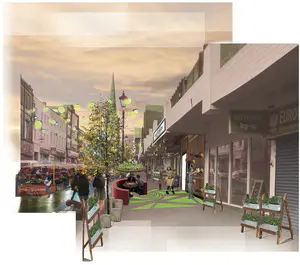
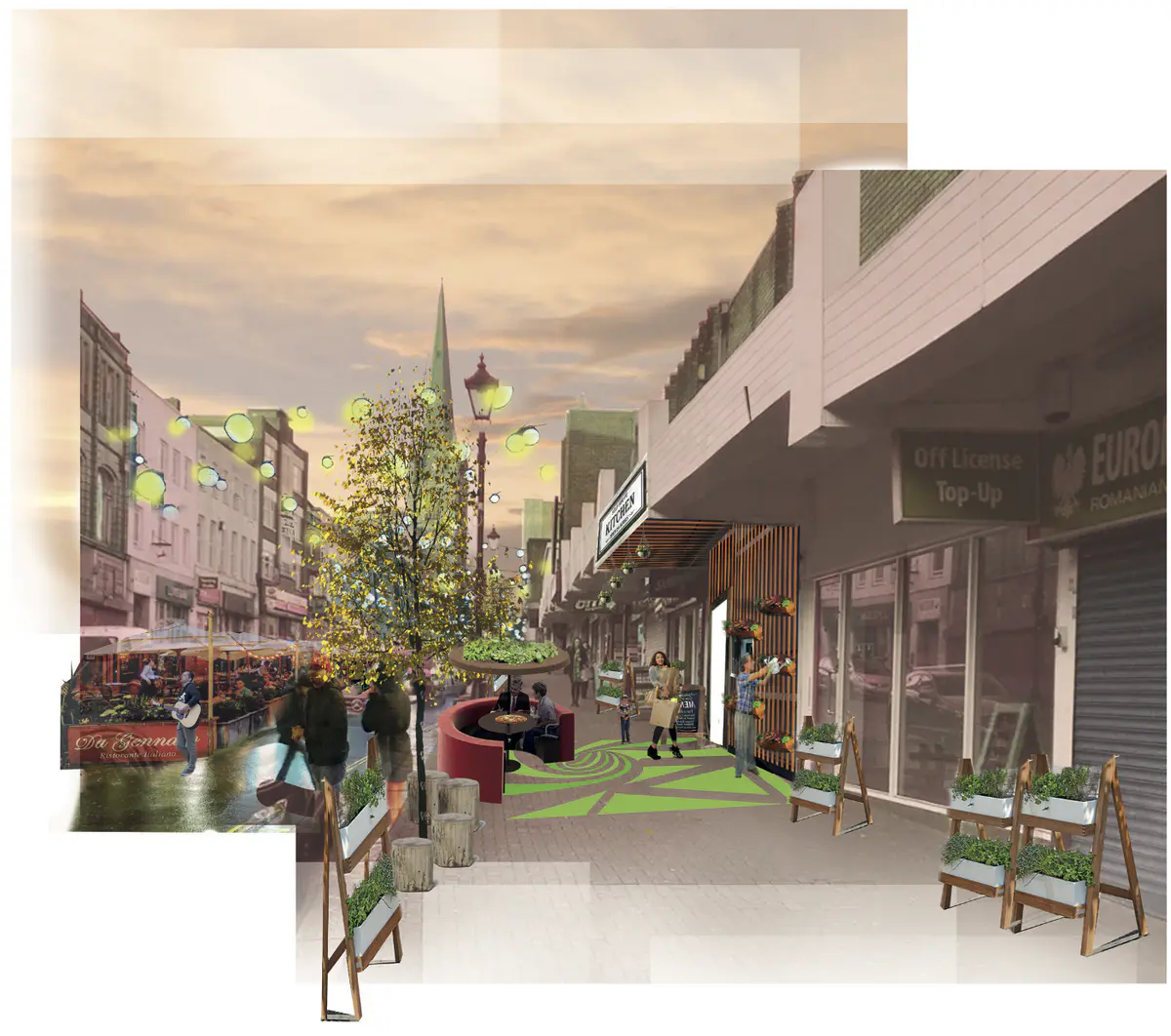
The third Stepping Stone project attempted to design the community kitchen in one of the empty shops on Dudley High Street. We all know that food is an essential factor in our life and eating and cooking the food is not an abstract activity we do, it is part of our everyday routine. In our initial research, we found that many people live alone in compact housing on the High Street. We thought the kitchen connect the residents with society. We decided to make the process of preparing food more enjoyable. As our aim was to grow food on the street wherever possible, we can use these vegetables for the community kitchen. This will encourage residents to come down onto the street and engage with it. This could also be a new experience for the visitors of the High Street.
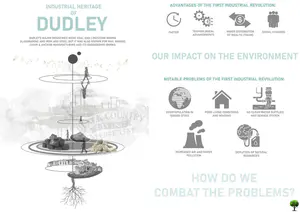
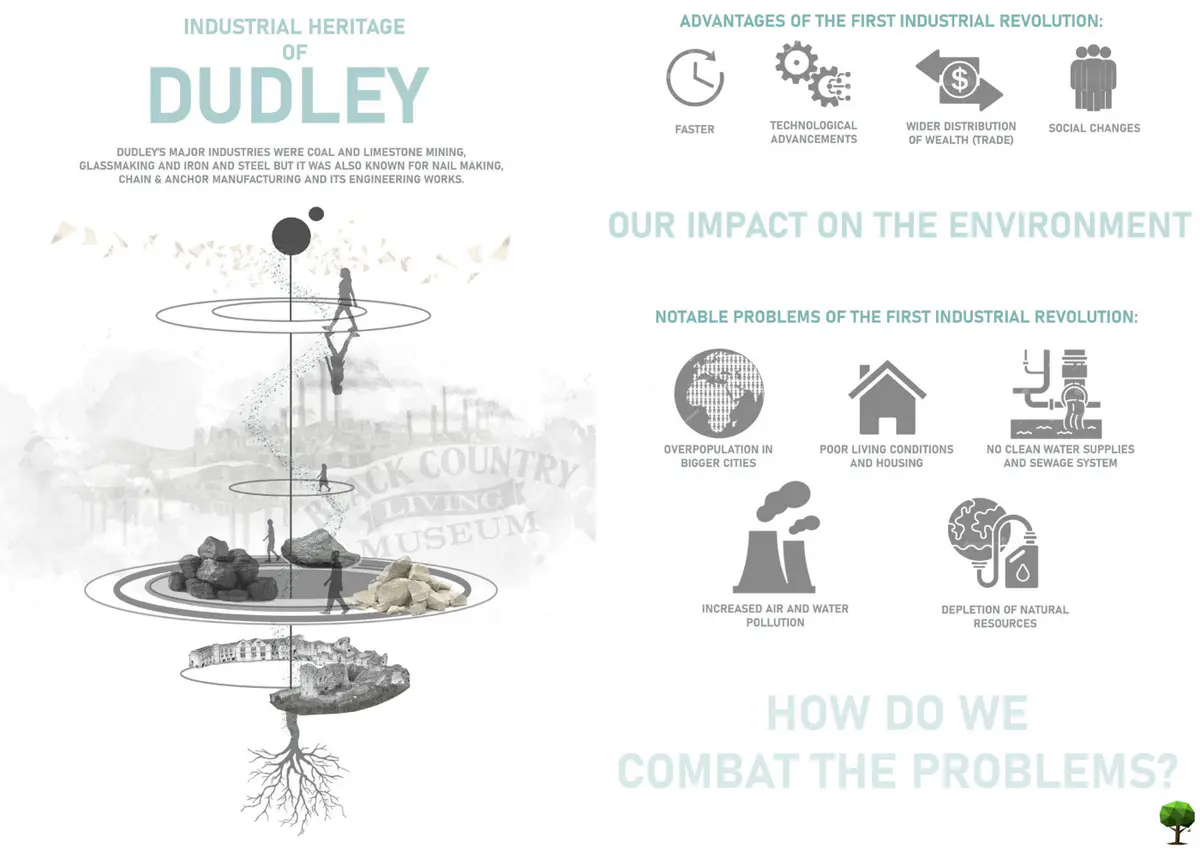
Dudley was pretty much at the centre of the Industrial Revolution. It had many advantages like making things faster, leading to technological advancements, a wider distribution of wealth and the social changes that came with this. However, it also had its own set of problems that are still relevant today which we need to acknowledge and address to successfully move forward, mainly: overpopulation, housing, water, air pollution and depletion of natural resources.
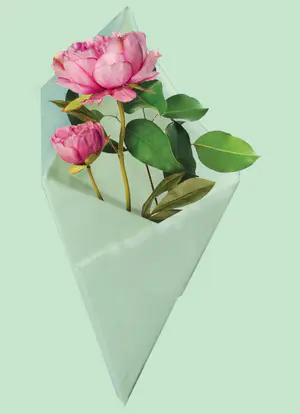
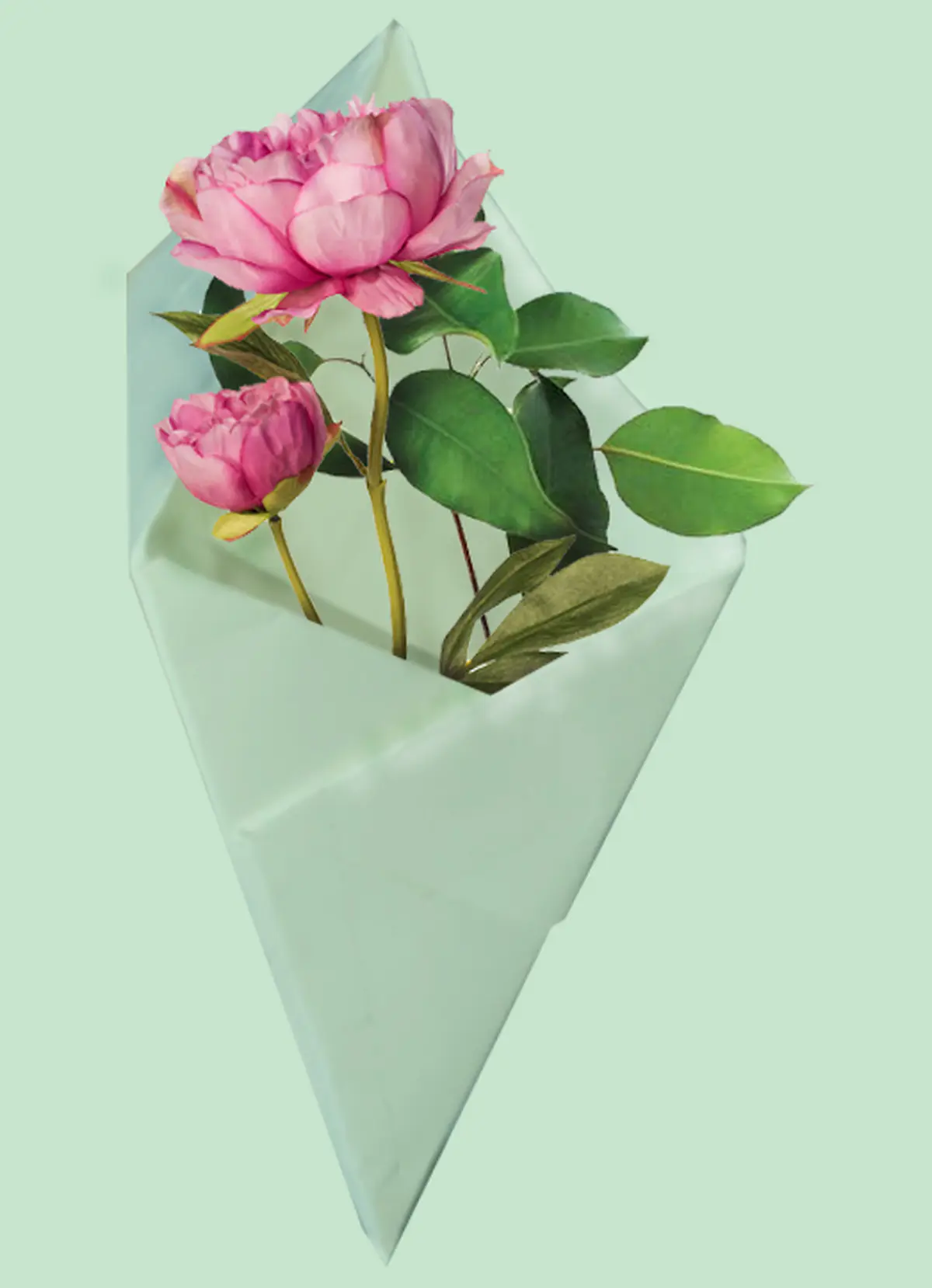
From the research that I collated, I found that the High Street was a very under-valued place that lacked both colour and nature. Therefore, the origami plant holder was a gift designed to bring natural elements such as flowers to the High Street, which could be taken home by the public.
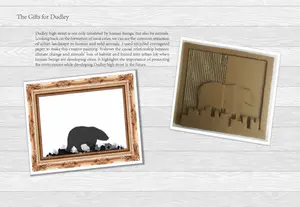
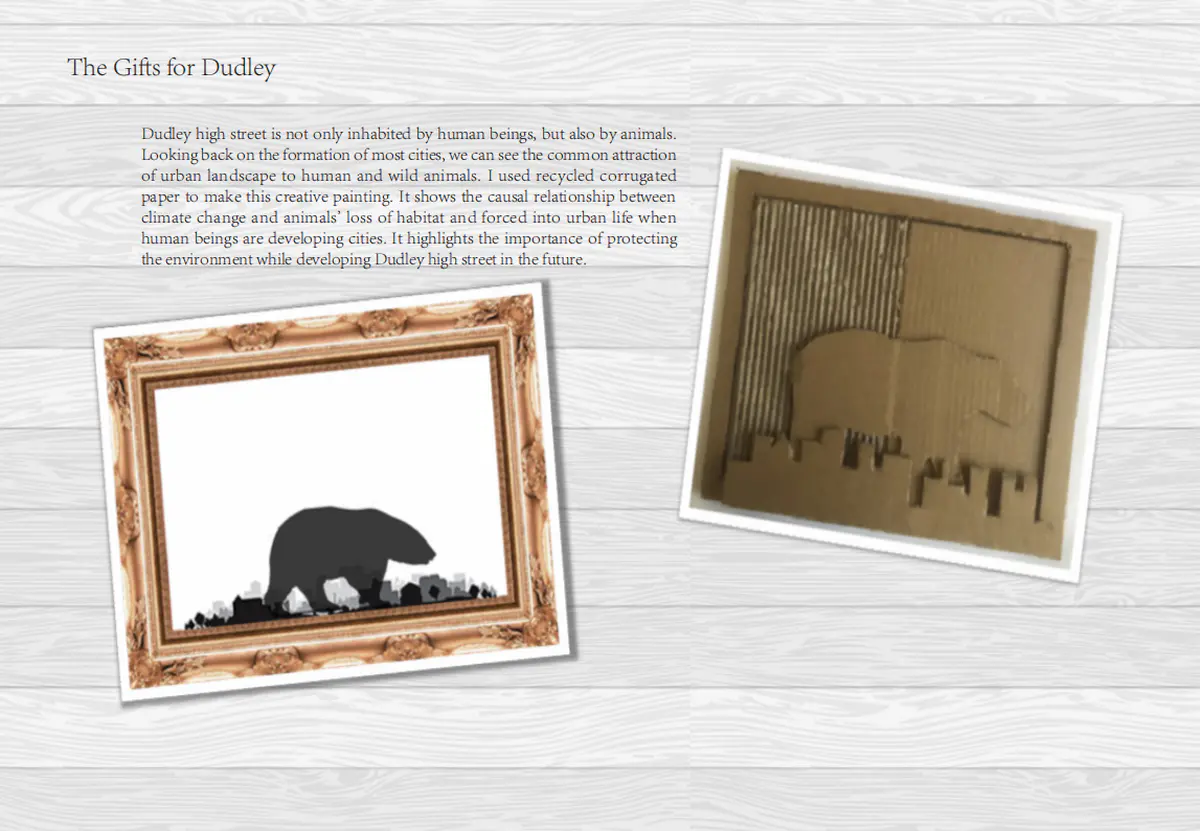
Dudley High Street is not only inhabited by human beings, but also by animals. Looking back on the formation of most cities, we can see the common attraction of urban landscapes to humans and and wild animals. I used recycled corrugated paper to make this creative painting. It shows the causal relationship between climate change and animals’ loss of habitat and forced into urban life when human beings are developing cities. It highlights the importance of protecting the environment while developing Dudley High Street in the future.