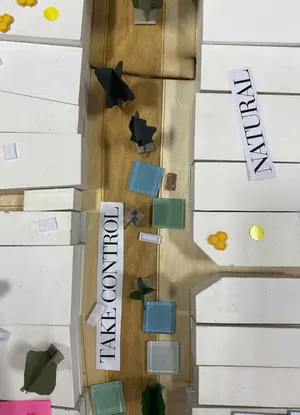
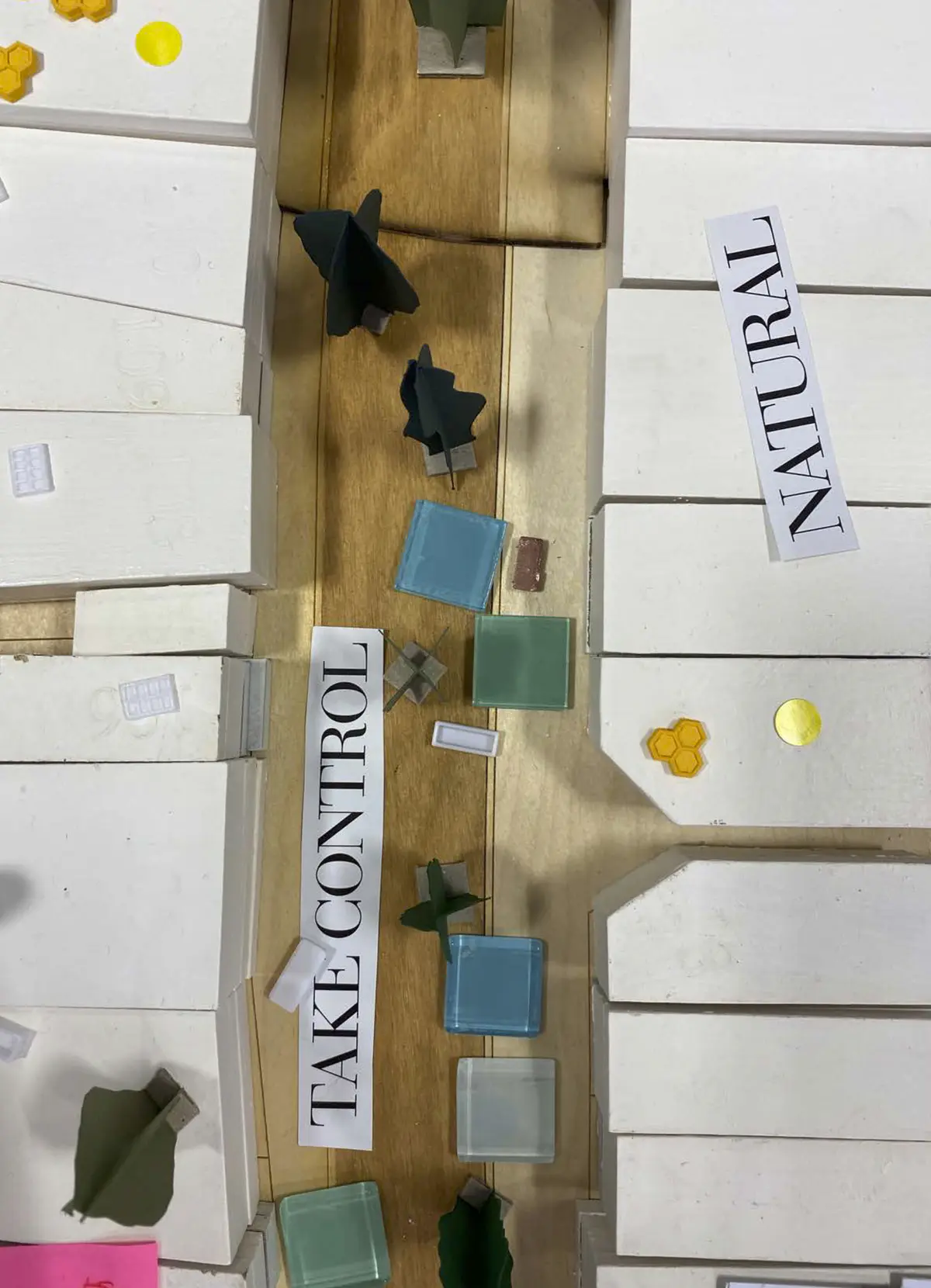
Looking to be the centrepiece of our exhibition, we proposed to create a site model of Dudley Highstreet at 1:200 scale with buildings modelled in a simple form. Local residents and visitors to the exhibition are then invited to decorate a chosen building to how they would envision it sat within the context of a greener Highstreet. We want to tie in our themes of biodiversity and materials by proposing that buildings can, and do, have the potential to be a lot healthier, sustainable, and interactive on the street. This site model also helps gain vital public opinions on the Highstreet and prompts discussion of areas most in need of attention.
To ensure that the model is utilising the MDF to the most efficient standard possible. First, the centres of the massing blocks have been hollowed out. This allows a reduction in materials used as other buildings can be cut in the centres of the model. Then the top is finished with a solid piece.
The waste material is placed into the recycling rack where other students can reuse it; otherwise, if the material left cannot be used for another project, it is recycled correctly by the university.
The model spanned just over 3.4m long and over 50cm wide. With the majority being cut from scrap woods that would fit the jigsaw of the shape, we were able to drastically cut down on waste. We also got some small benches and bee hives printed from recycled plastics, and used dried flowers as trees to represent the green spaces. Ultimately, the model seemed like a huge success, and really helped portray our ideas about Dudley High Street to those who came by. Everyone from Dudley who saw the model knew that it was the High Street, and interacted well with it. The size did make it difficult to move, especially to carry to the site, but it sat nicely in the centre of the the room and really drew people in to interact with it.
The model brought people in from outside to play with, write on, interact with. It became a spectacle for the public to come in and see what was happening and offer their ideas about what could be done.
The event was a success. Many people from the public (those who heard about the event, and those who just happened across it on the day) came in to interact with the model, which sat as the centre piece in the room. Kids liked to play with the pieces while the adults talked about things that could come from actions to help the High Street, not just leave it as is.
SOME OF THE KEY IDEAS WERE:
- The Shops need to be inviting for everyone. It’s no good having these places to go if people would rather take a bus to the next town.
- Just putting up boards across the windows is awful. Paint, Posters, Graffiti: Anything that actually makes the High Street look still alive is better than just wooden boards.
- More Green is needed. While it is obvious that there is a lack of Trees, many people wanted to push for these small bushes or planting spaces that could easily be implemented across the street.
- Spaces for public events or for people to at least gather at. While there is the Market and Fountain, it is not enough for the people of Dudley.
- Something needs to be done about the cars on the High Street. Some were Pro-Removal of all Cars, while some just wanted to limit when they could access the High Street.
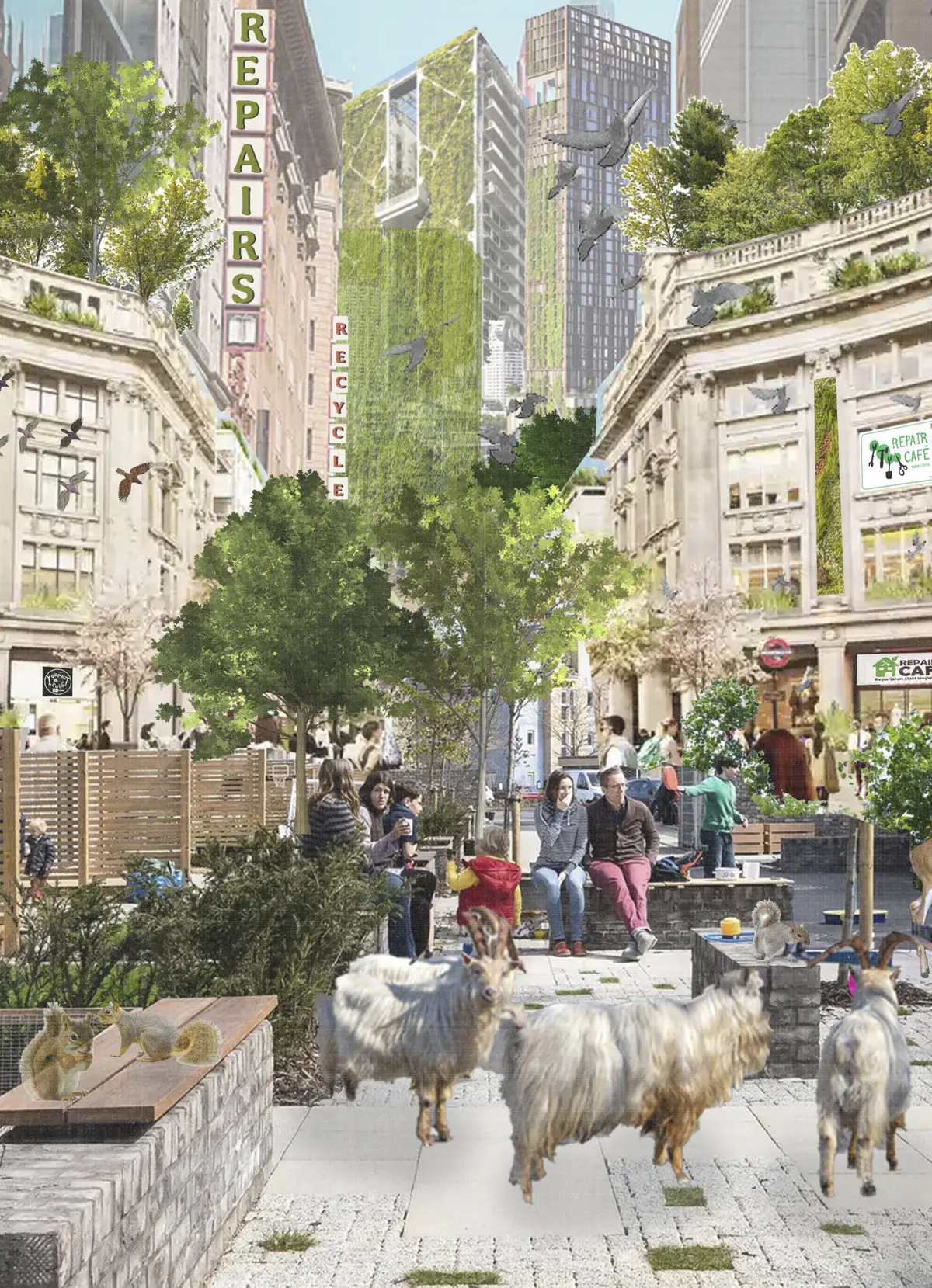
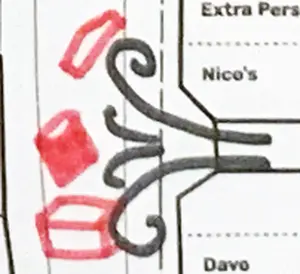
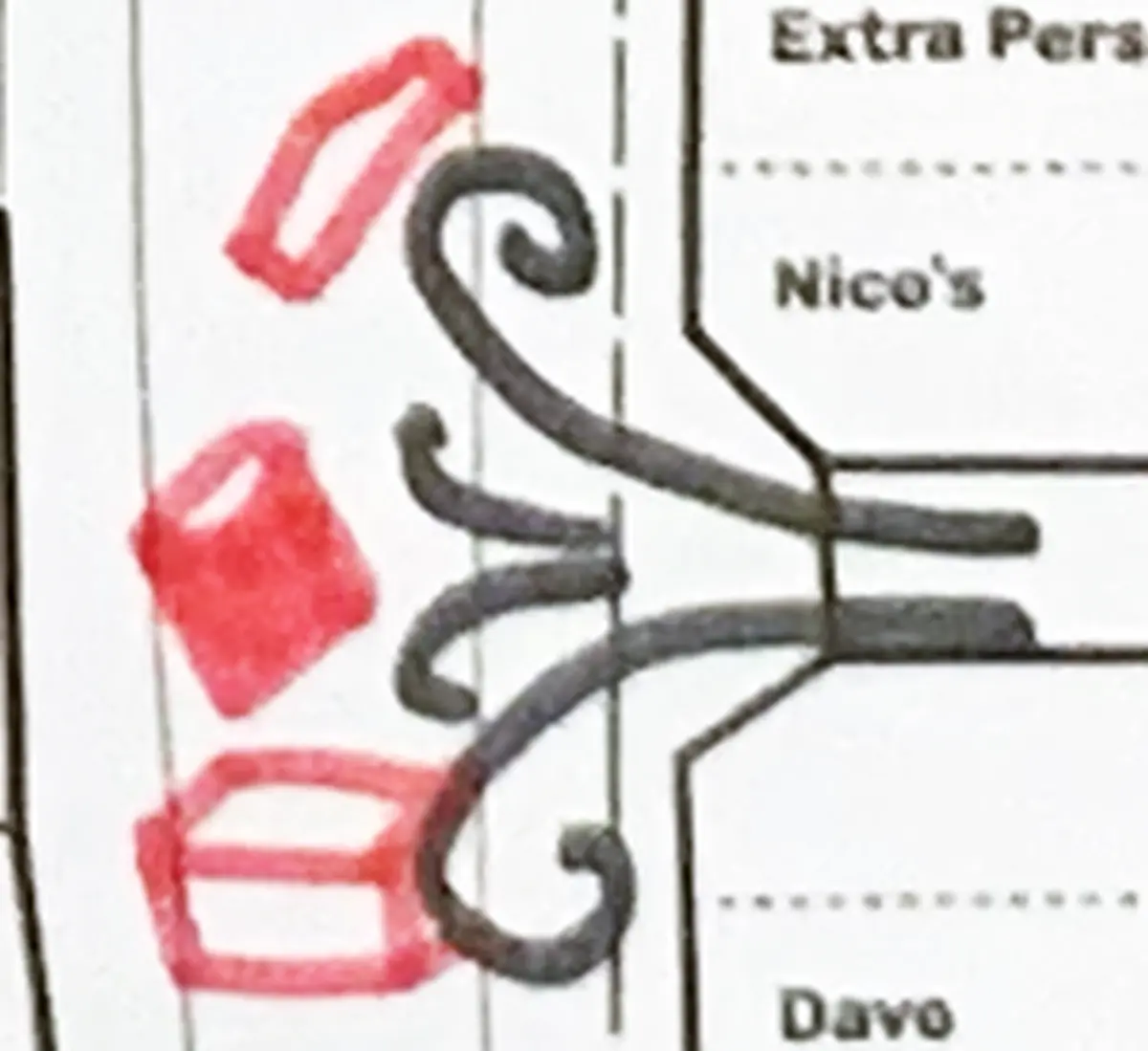
Following the exhibition we created a series of drawings with our own interpretation of Sarah Wigglesworth ‘The Dining Table’ drawing. The drawings are a perfect representation of the our interactive model at the ERA Environmental Exhibition and Event. Showing the interaction the public had with the model, as well as the conversations that were held around the model.
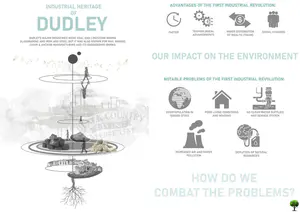
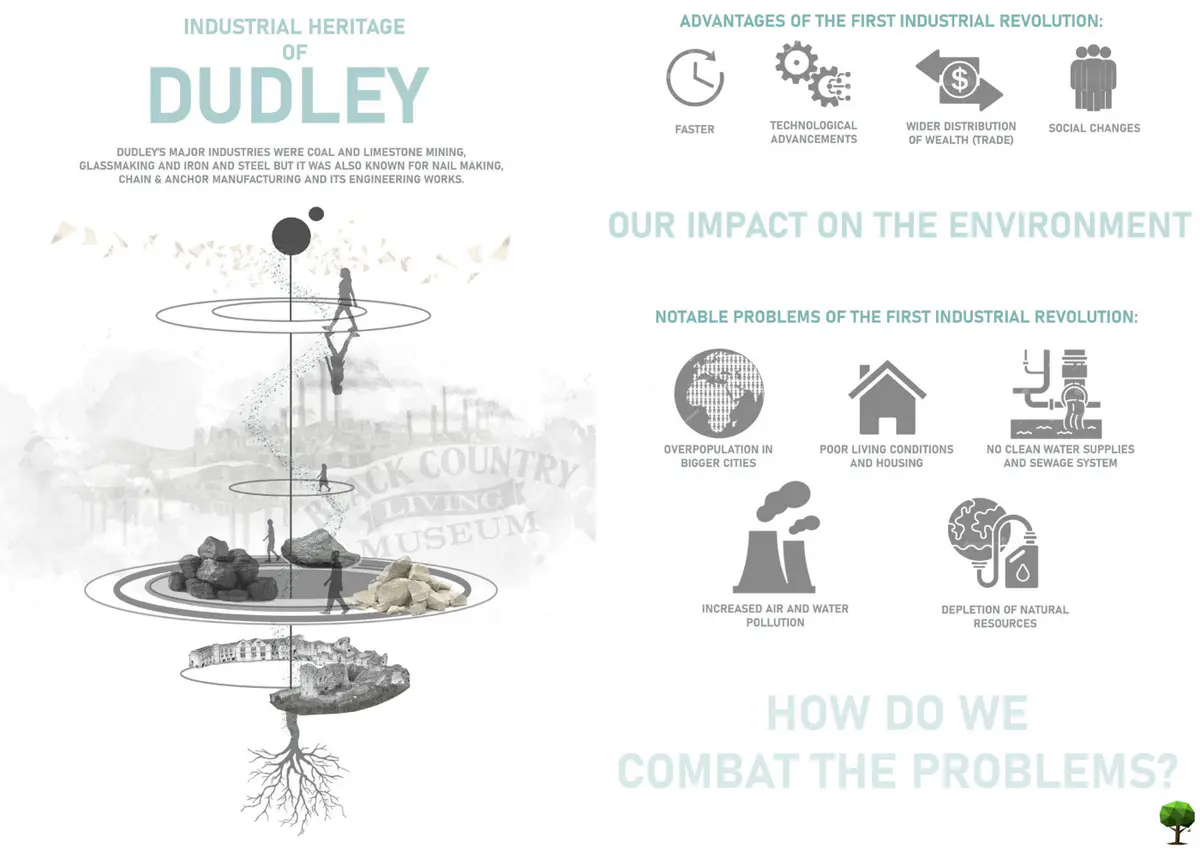
Dudley was pretty much at the centre of the Industrial Revolution. It had many advantages like making things faster, leading to technological advancements, a wider distribution of wealth and the social changes that came with this. However, it also had its own set of problems that are still relevant today which we need to acknowledge and address to successfully move forward, mainly: overpopulation, housing, water, air pollution and depletion of natural resources.
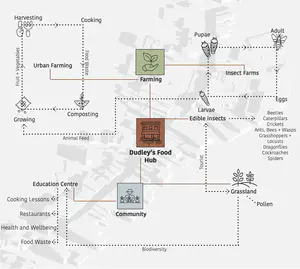
Creating a stronger connecting between the current food spaces by:
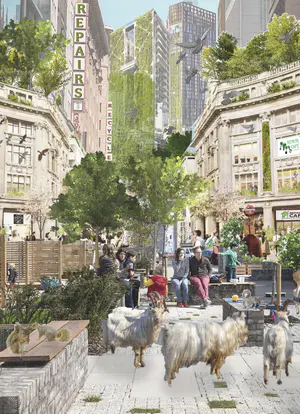
- Pedestrianising the road with a grassland
- Utilising abandoned building for education centres and community farming.
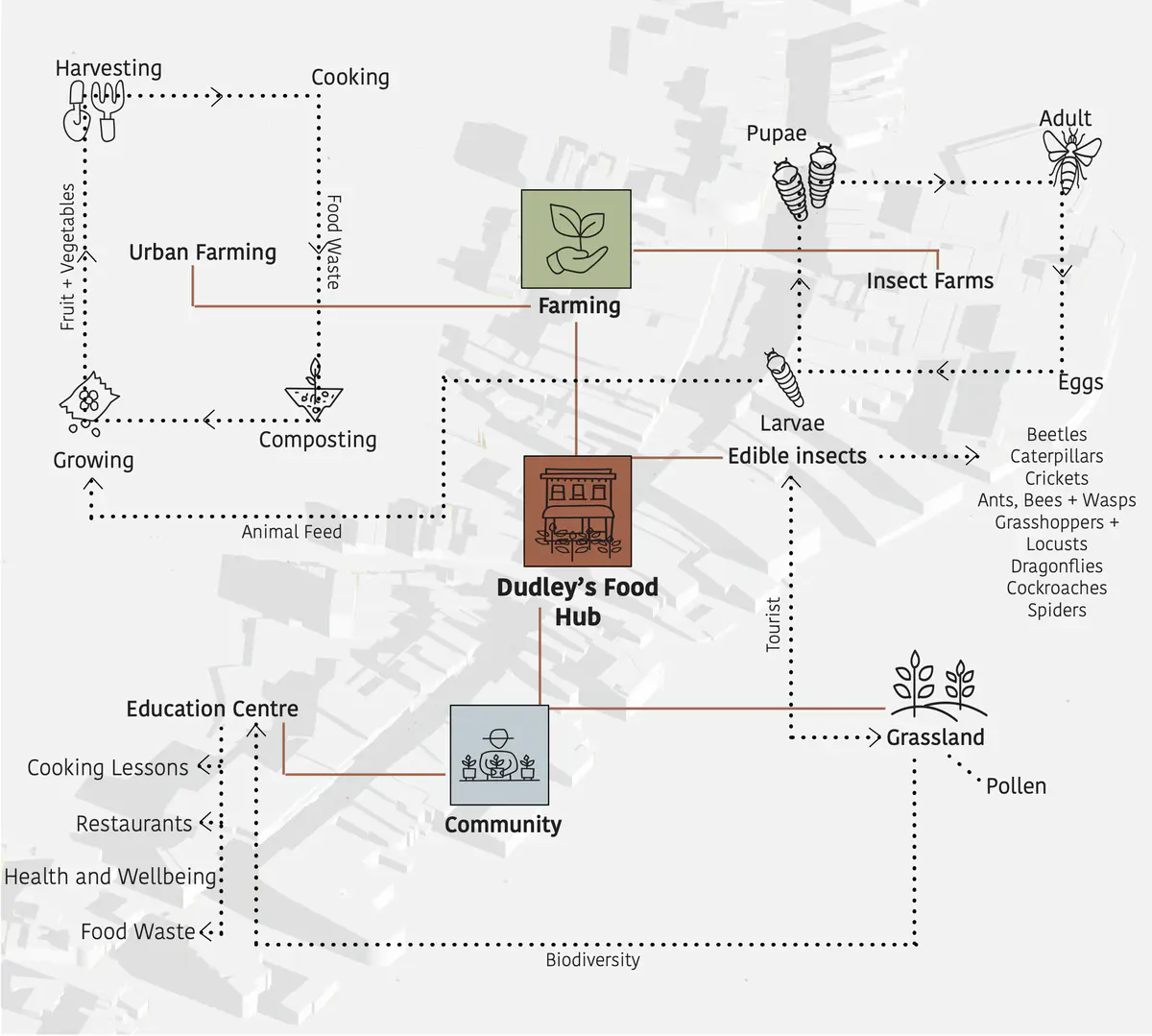
Linked to the Food Hub is an education centre sharing information on edible insects and Dudley’s biodiversity. Also offers insect cooking lessons to the local community and schools.
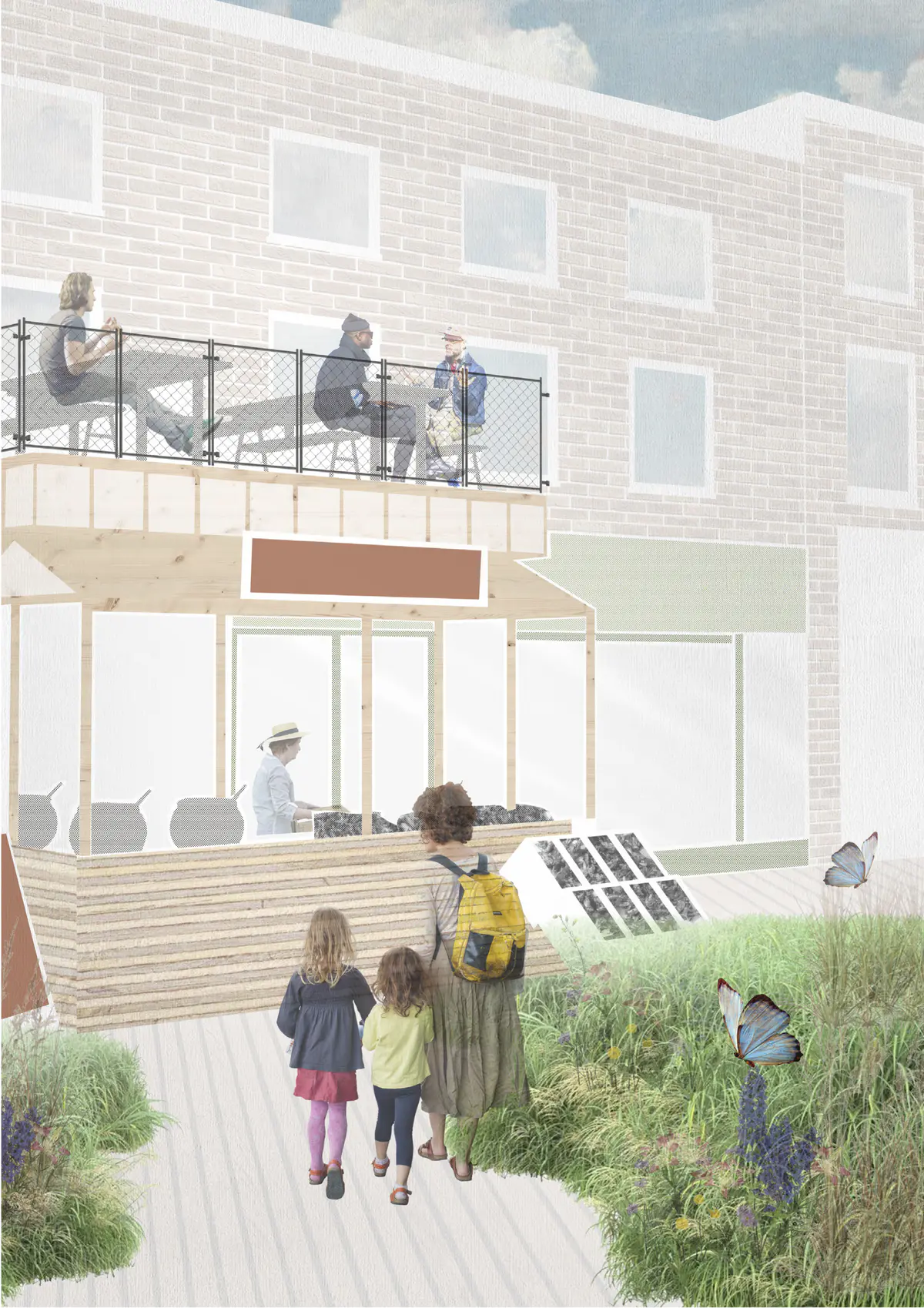
Immersed within the grassland is areas where existing buildings can extend out onto the street to create a stronger bond with new sustainable environment.
Redesigning the Market Place with more levels of outdoor seating to create a new experience and environment of eating food on the High Street.
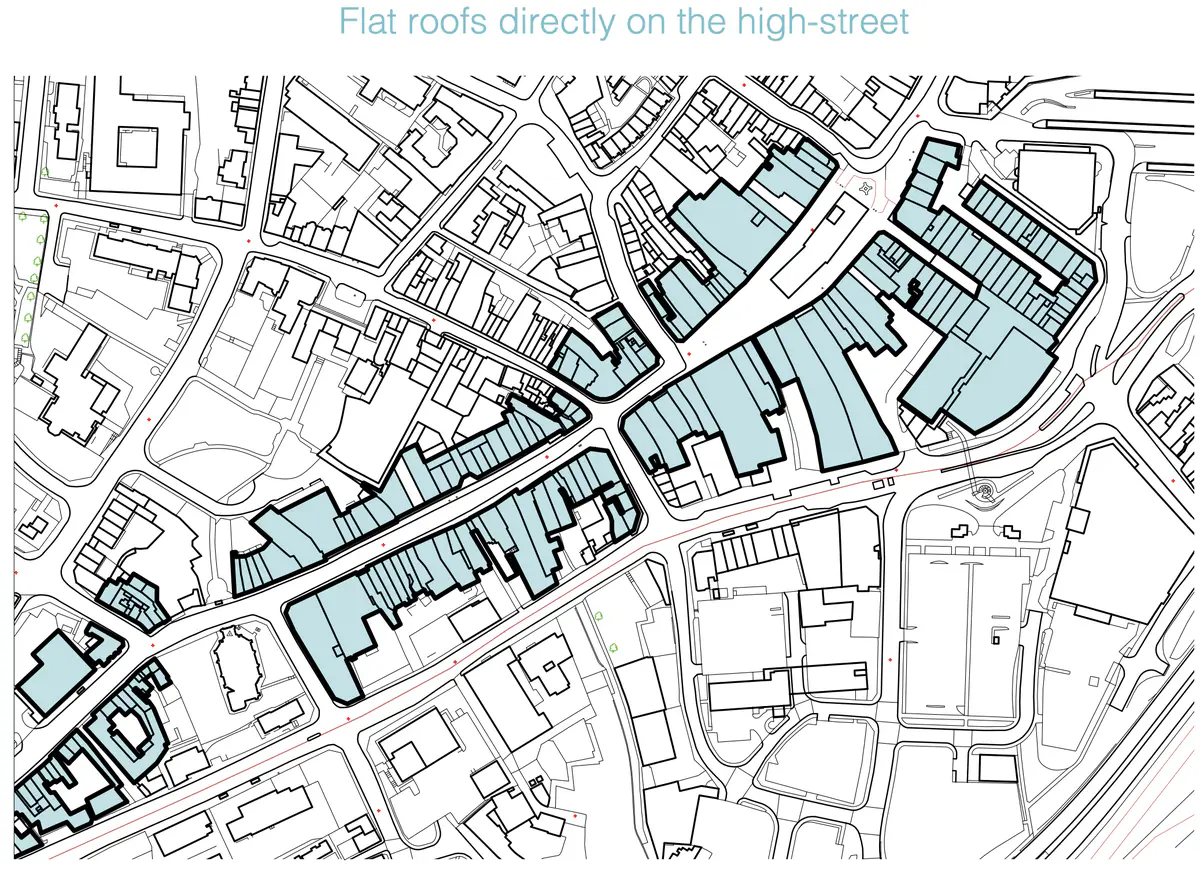
Gardening and insect farming spaces integrated within the buildings. By bringing all the food production onto the High Street will help reduce food waste and also offer fresh produce to the locals.
Water Collection
With this information I can begin to map out 1038m2 of miyawaki forests.
It is crucial that the forests do not use more water than stored as then the project isn’t zero carbon as it would require fresh water. It is important that the water collected is sufficient for this project to work. This data also provides the information to how much storage is required on the site.
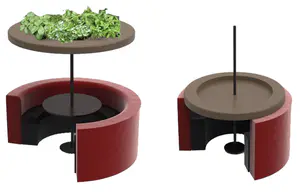
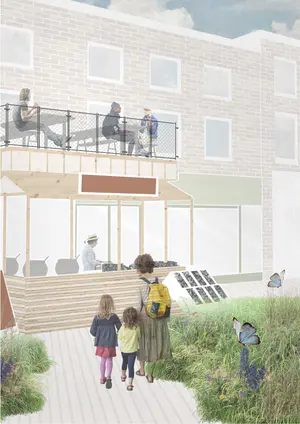
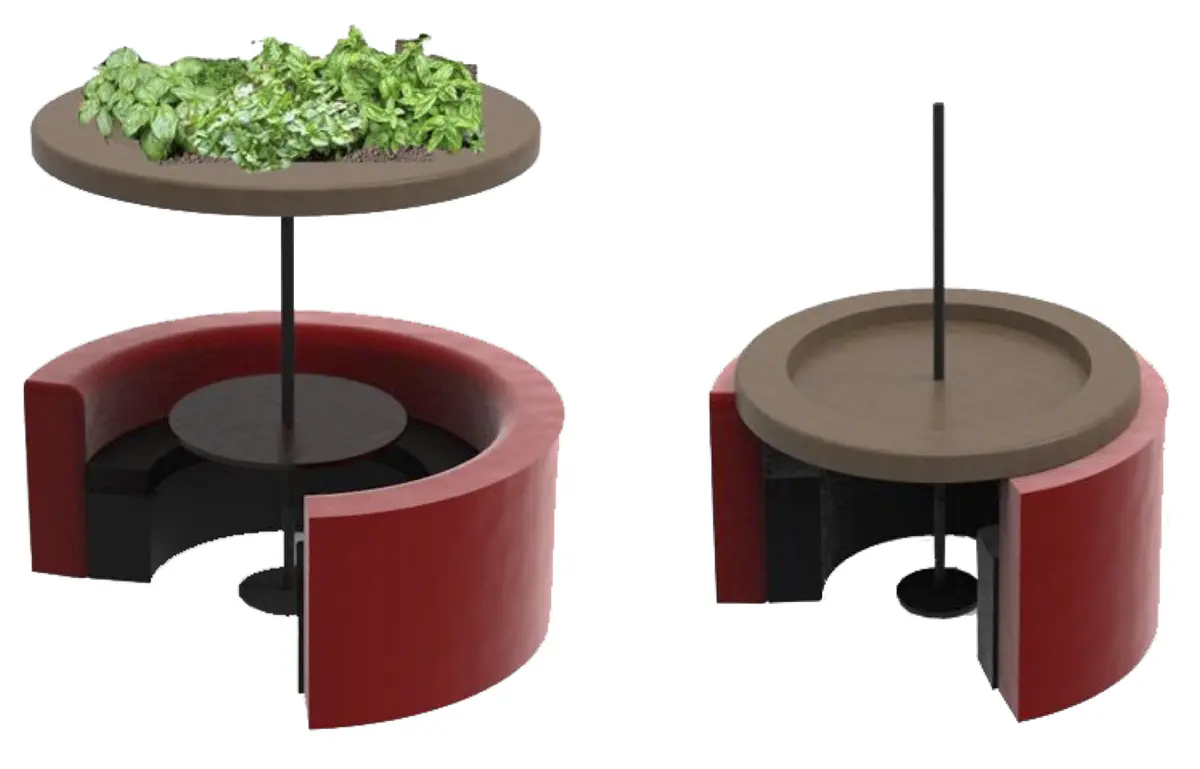
The fourth Stepping Stone project focused on the design of 2-in-1 flower pot seating for the exterior of the community kitchen. The design also integrates a canopy for growing herbs to also use in the kitchen. Through a collaboration with another Time Rebel collecting reusable waste, we thought about how this could be integrated into the materiality of this concept. The product analysis of this design is that it has a detachable seat to cater for a variety of arrangements. The flower pot can be raised to create a seating area, and lowered to be become a flower pot on the High Street.
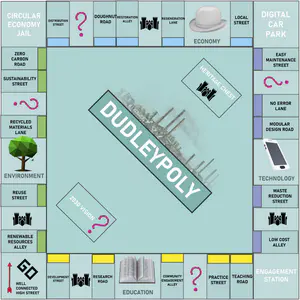
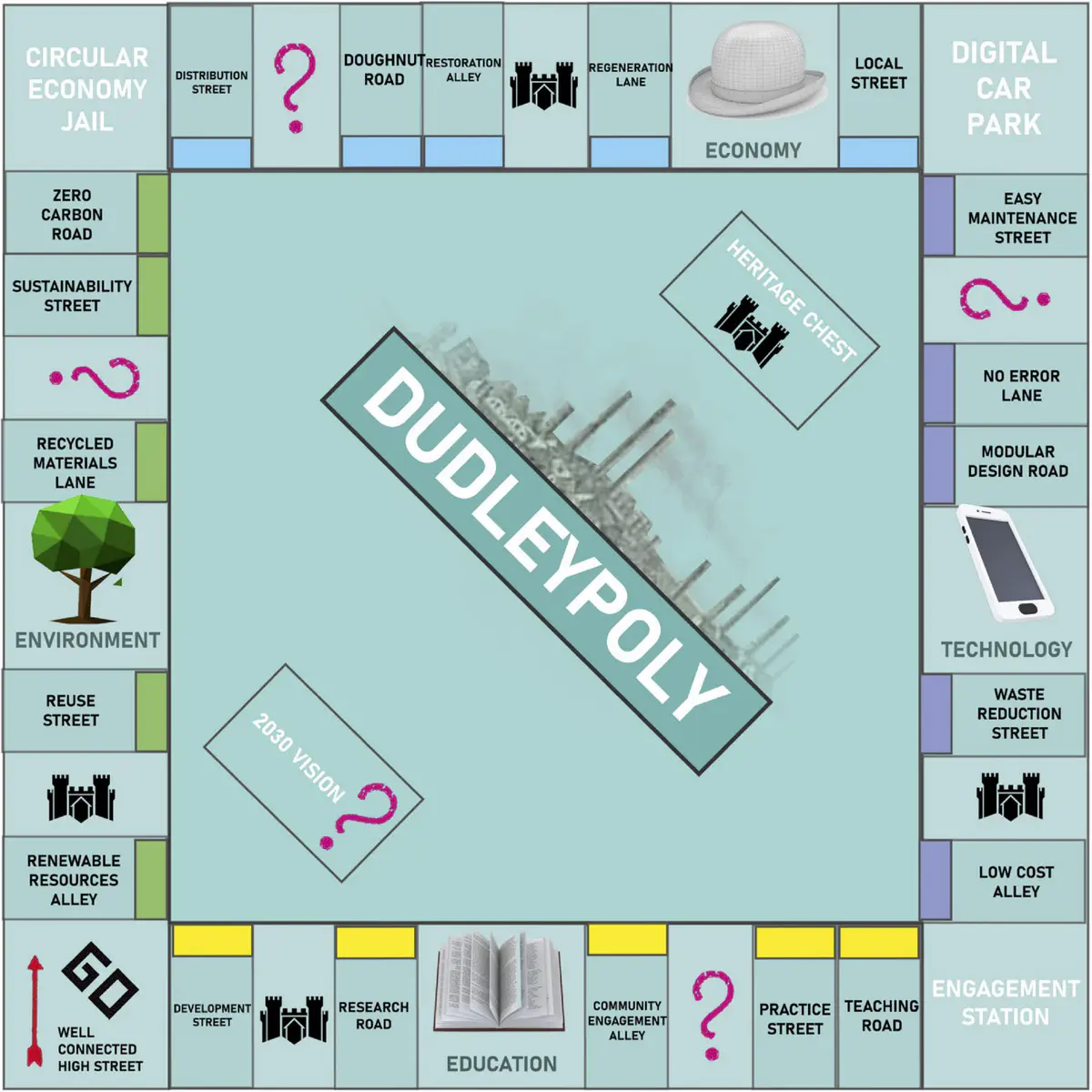
We created a visual representation of the main factors and sectors we came across in our research and explored individually: environment, economy, technology and education. It also summarises our goal of creating a connected High Street, and the steps we took to achieve this goal.
Ramsey’s
Wedged between G P Footwear and the Dental Surgery
Set back in the shadows under the circular cross
Behind the overspill of colour and dazzle
You will find Ramsey’s shop
Cornucopia of ladies fashion
Shoes
Handbags and
Accessories
Born out of West Brom clearance
Been six years grafting
Stretching a profit
Out of lycra and cotton
Cheaper than the exact same jeans
You will find in River Island or H&M
But people still like to haggle for
A pound off here
A fiver there
Ramsey is waiting
Waiting for the people to return
Waiting for Covid to subside
Waiting for the coats to fly
The joggers to shift gear
Blouses to find a new lease of life
So that the drive from Oldbury
Six days a week
Means more than just petrol in the tank
Wasted hours
Asking him about the future
Brings no sugar coating
Of what needs to change
More advertising please
Less traffic down the road
More foot-flow up this end
Where Ramsey offers
Cheap and cheerful
In all the colours of the rainbow
His rails rally already
Outside the shop
Where he would like to see
A revolution
People stop to pass the time though
To talk around it
Time for a change
One way or another
Time for a change
Sooner rather than later
While Ramsey soldiers on
Filling the street with colour
The sun glinting off
A nicely priced
Must have