Building Deterioration
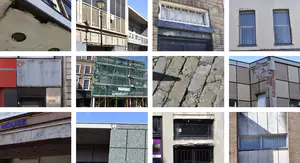
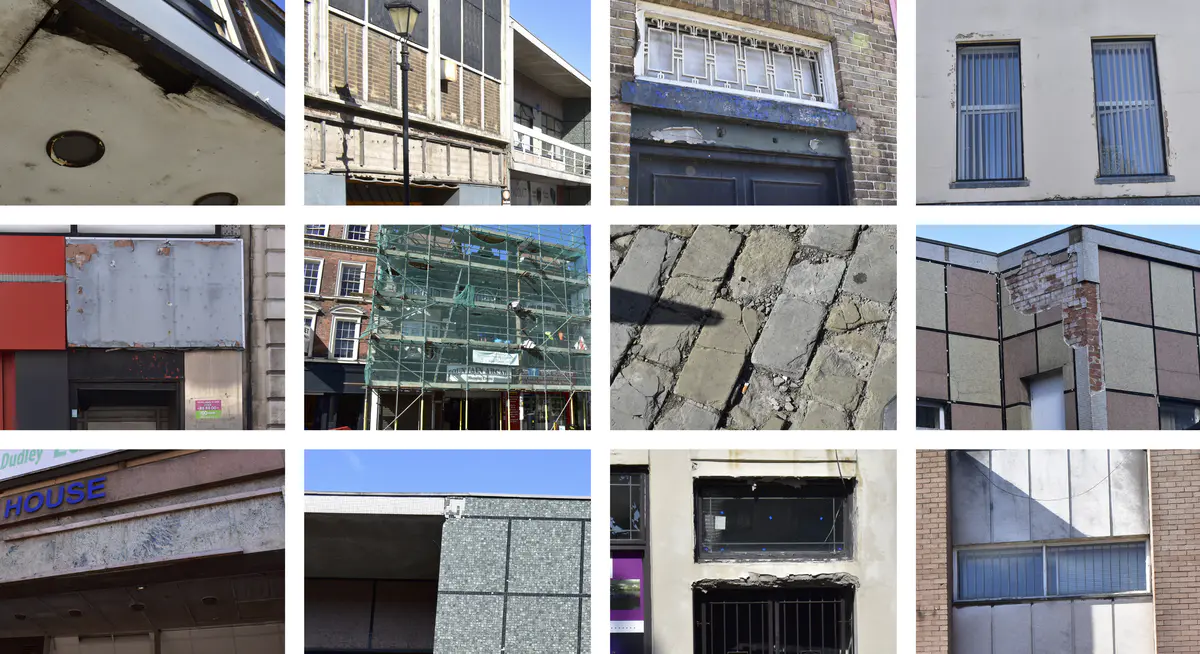
There was a familiar aesthetic regarding the buildings during the initial site visit to Dudley High Street. However, a large proportion of the façades that look onto the street have noticeable damage, graffiti or structural issues.
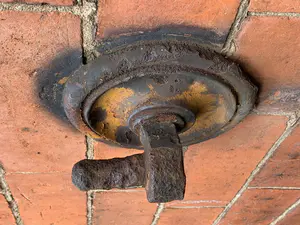
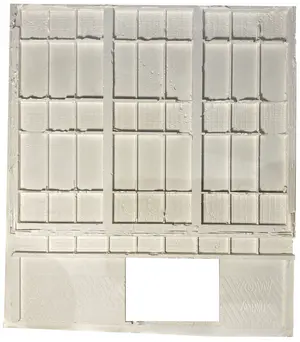
With that said, these images (right) are an insight into some of the damage. If the local authorities saw the high street as a priority, then damages and aesthetics would have been resolved and fixed. However, as there are multiple damages, this assumes that this high street is not one authority wish to preserve.
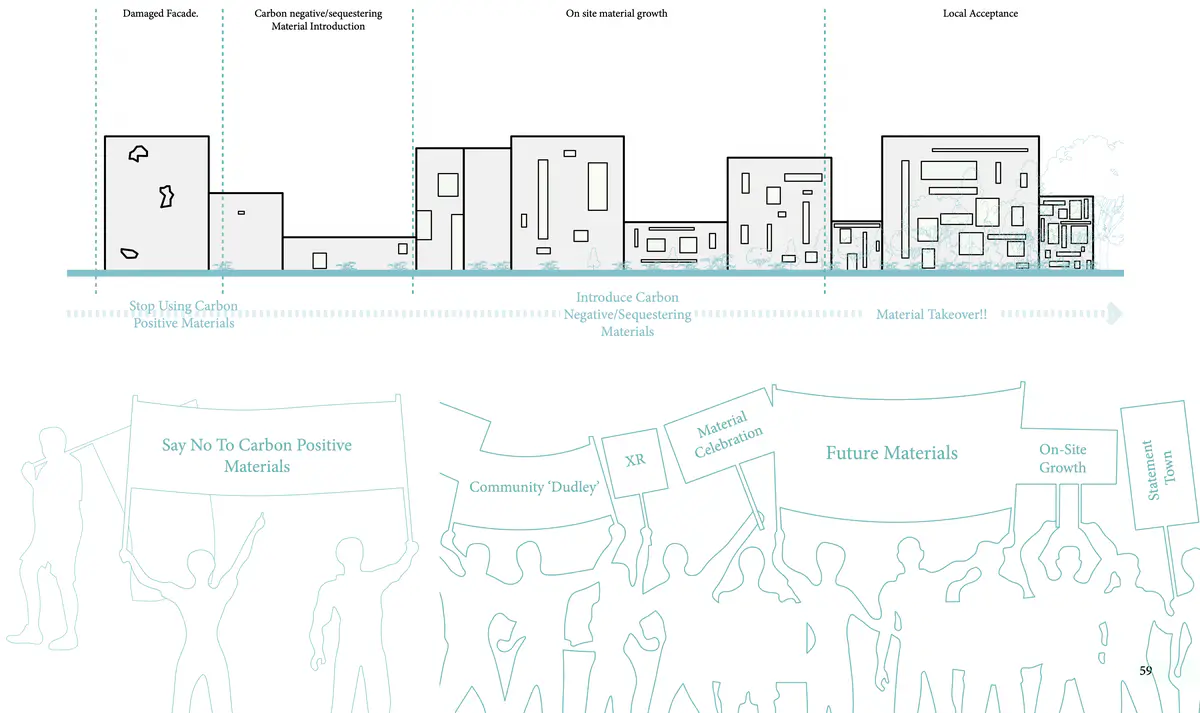
That said, this opens an opportunity. Instead of being a conservationist and repairing these buildings to their former glory, why not make them a statement piece within the high street. Possibly by placing a blanket ban on all of the current materials seen on the street. Instead, any repairs must be in Zero carbon / Carbon negative materials. This could then become an educational street with great architectural character. Both combined may increase the high streets footfall.
The first step would be to highlight any listed buildings or monuments within the high street.
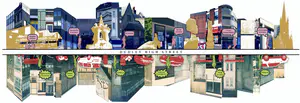
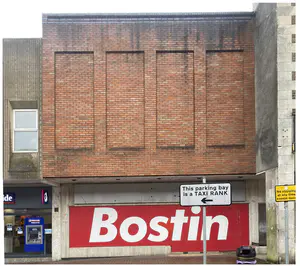
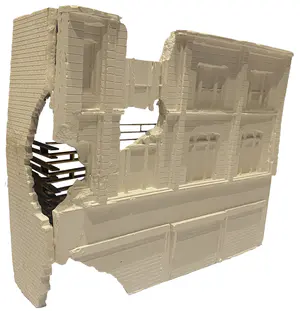
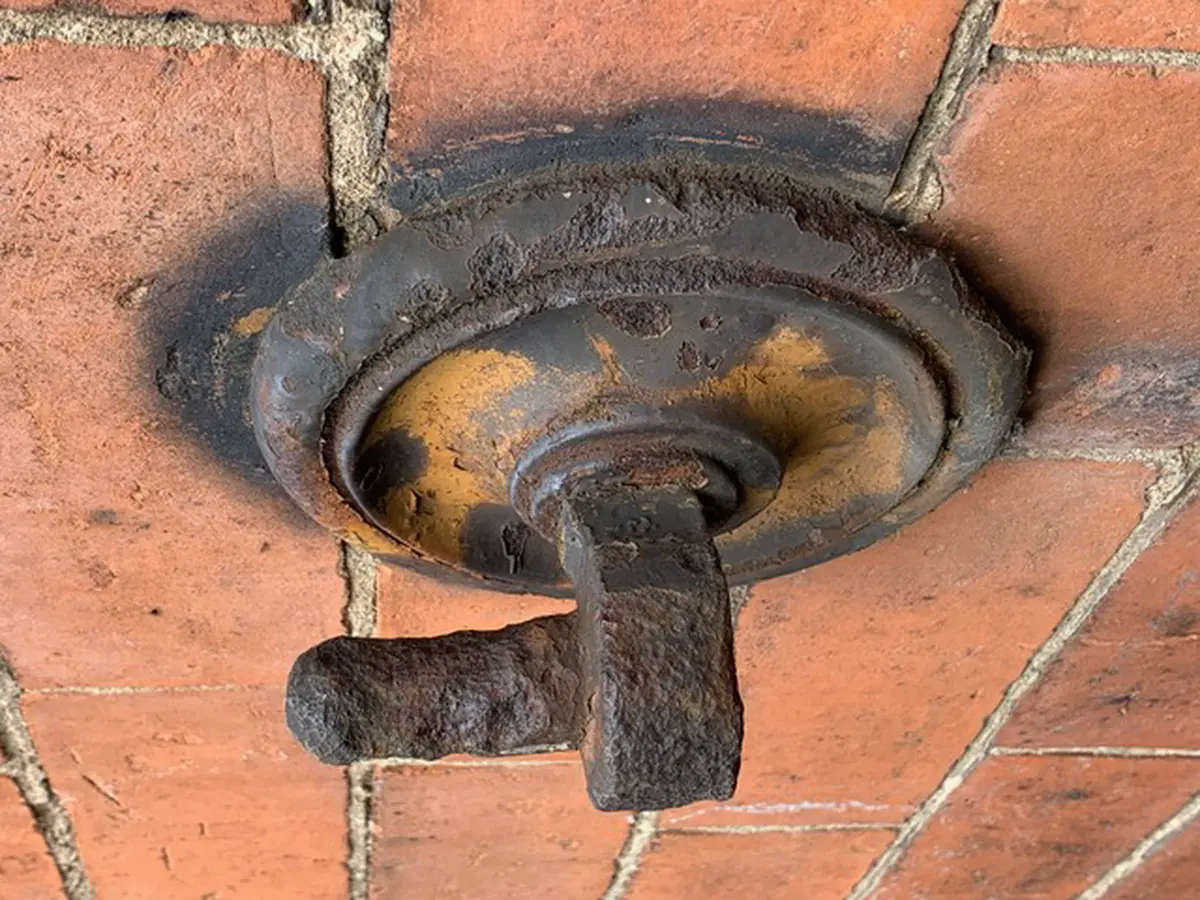
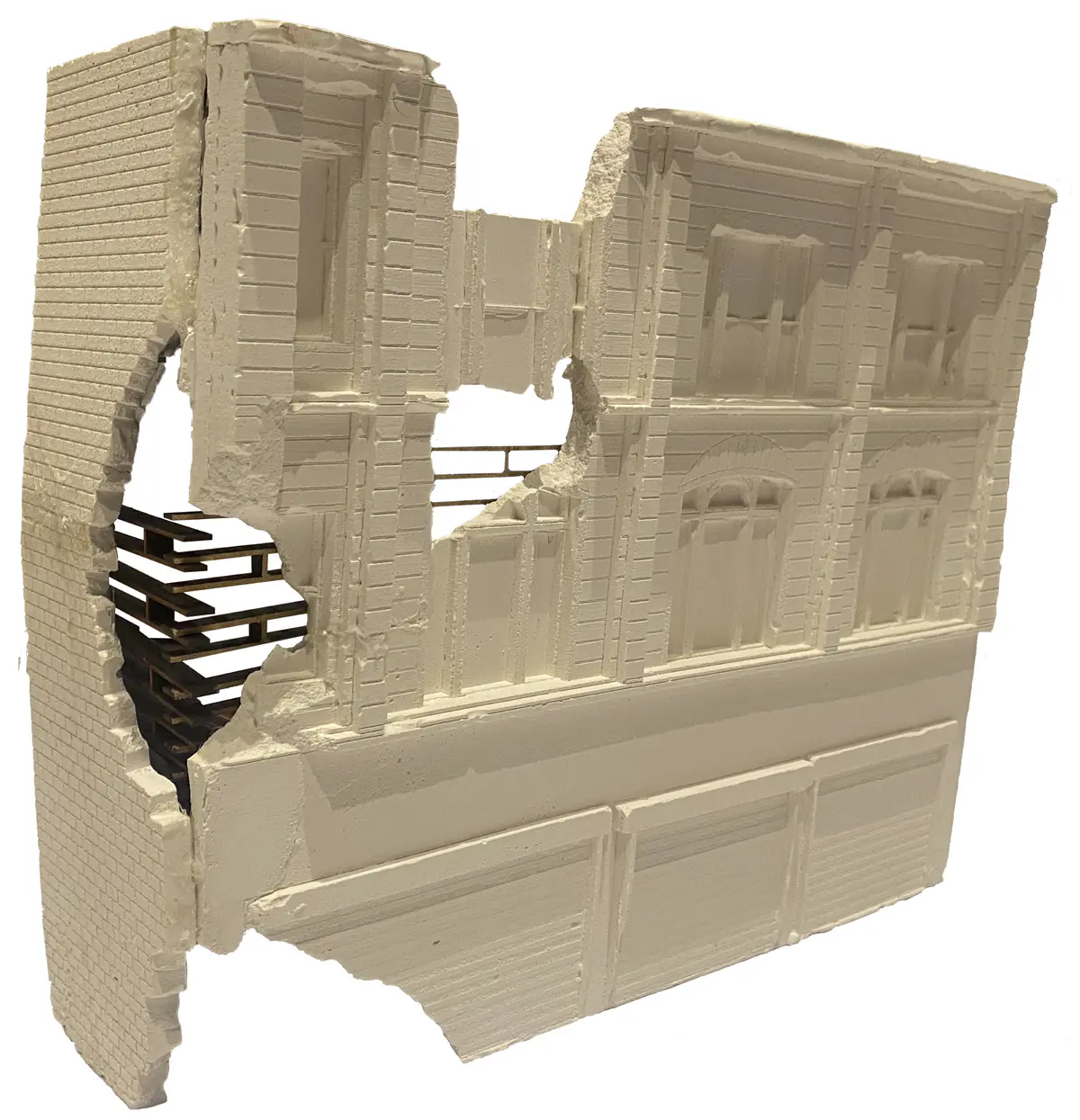
This building has been chosen due to the clear retrofit it has already undergone. The building has two halves, a modern function on street level with roller shutter doors. These doors seem very out of place as they are not shy in hiding their presence. Then the top half is traditional stone and mortar with some elements of detailing around the windows. I wonder what the addition would look like with the zero- carbon material repair pallet.
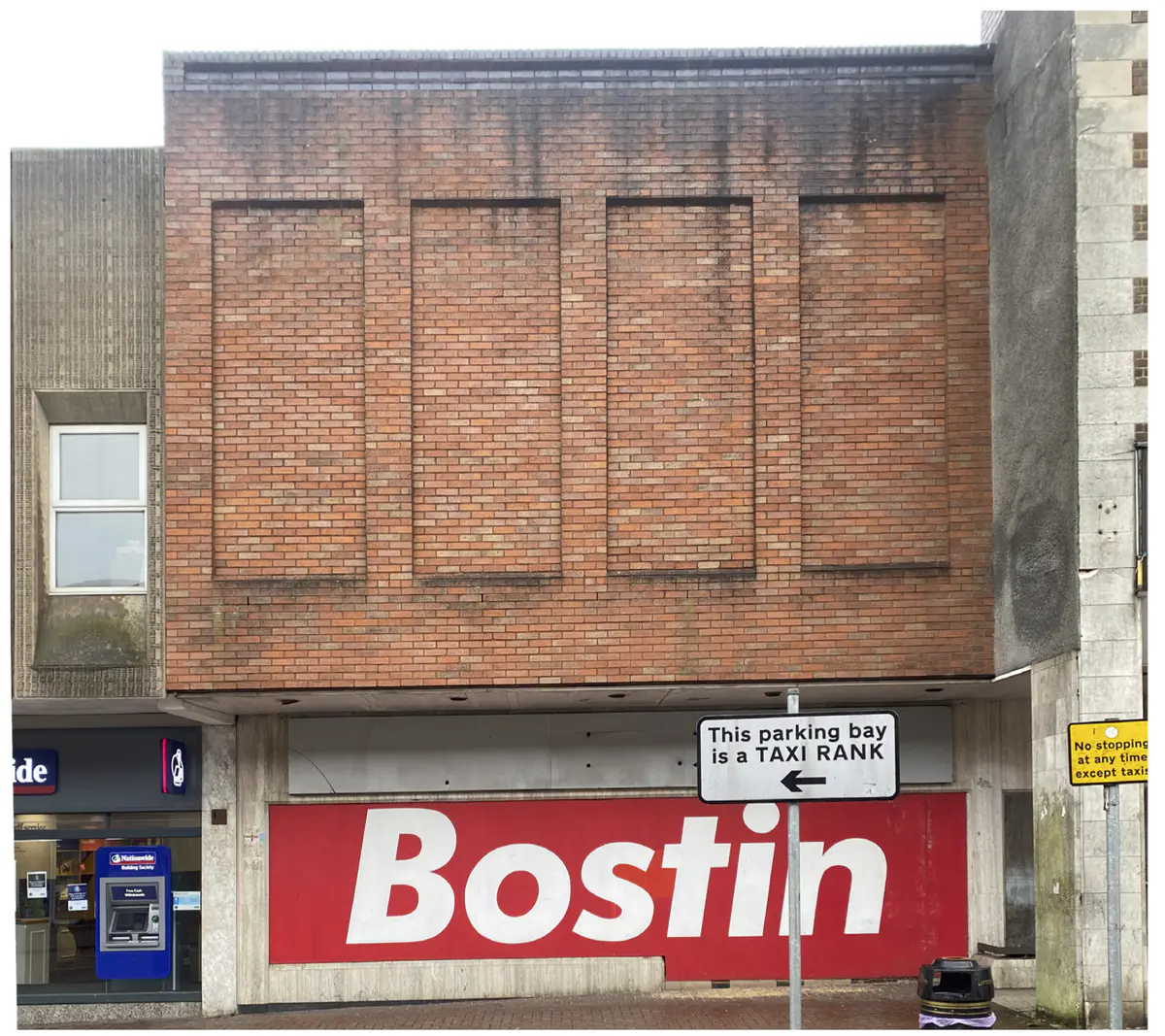
There is a clear presence representing Dudley with the bold red ‘Bostin’ sign at ground level. Chosen for its cantilever first and the second floor, this building could be adapted to have an external space. Also, there is a slight ‘hotel Fouquet barrière’ about the facade as its bricked-up windows represent change over time.
Social issues present ... between the two ends of the High Street, one recently improved in terms of materials, recreational areas and spaces for sitting, the other remains in disrepair and is heavily trafficked with completely transitional movement, lack of stopping and communication.
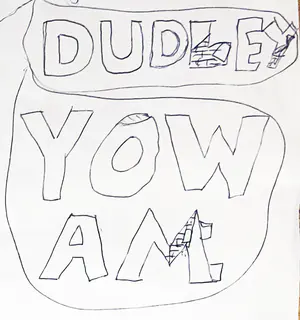
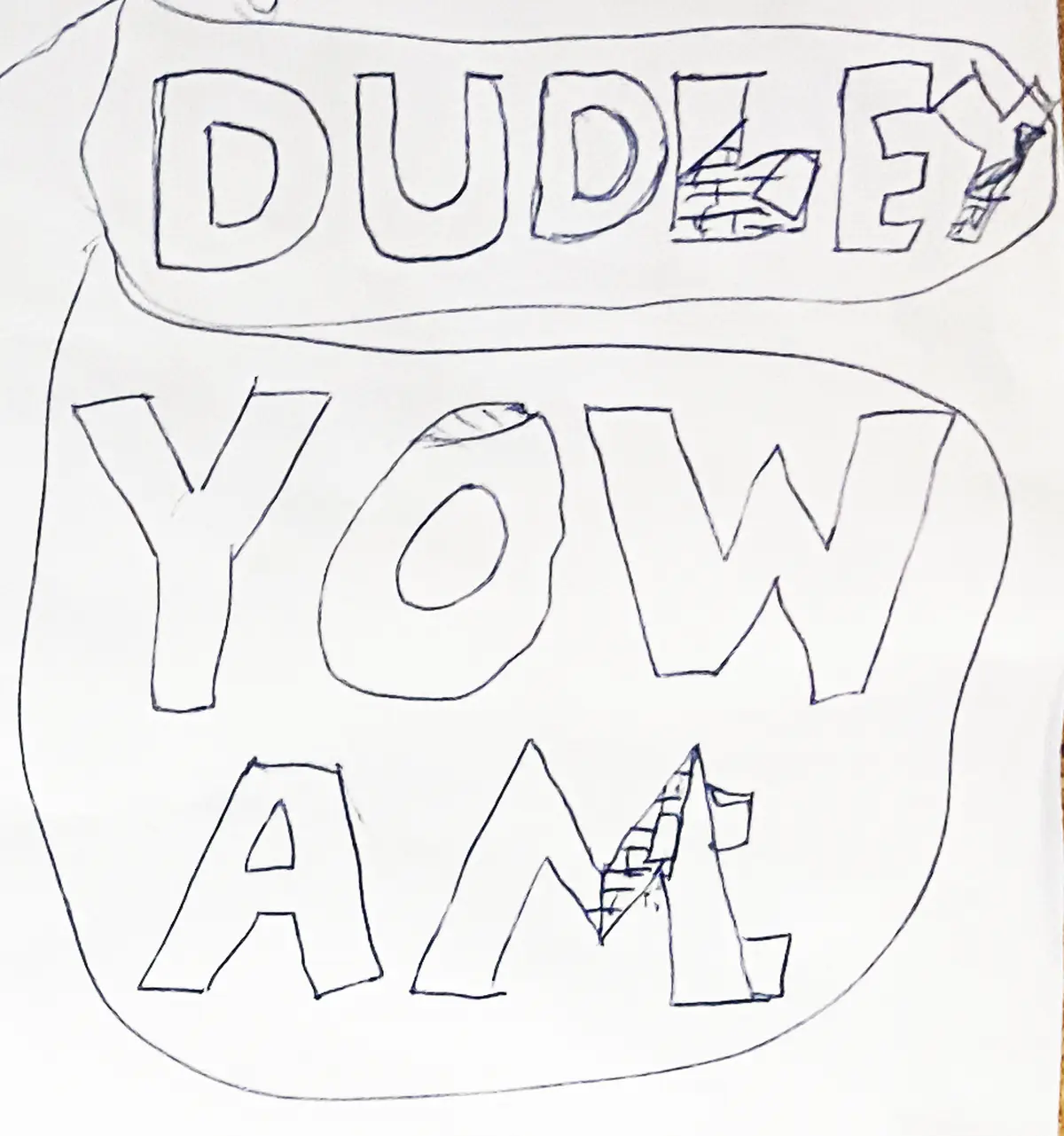
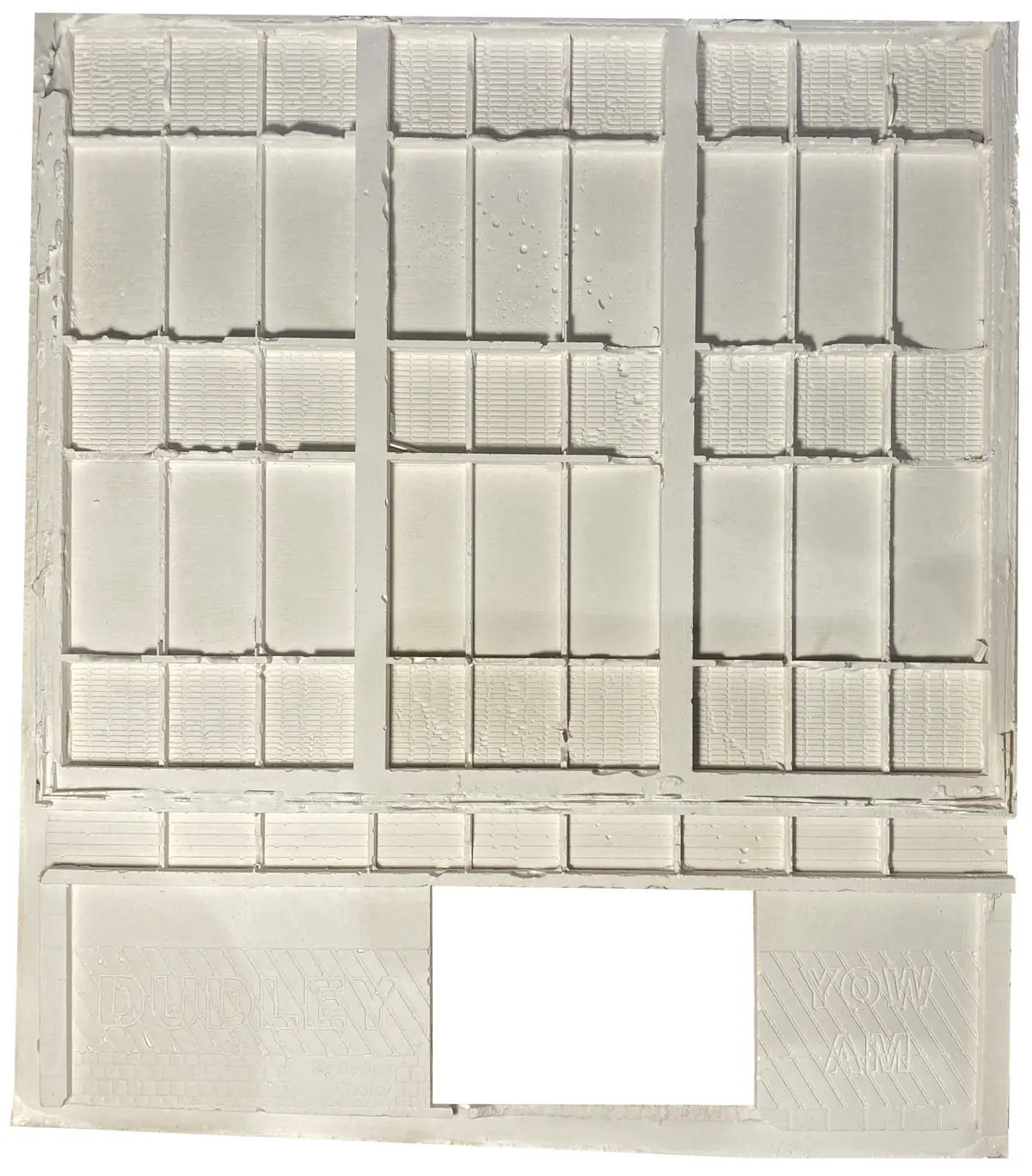
This building has been picked because it is significant as it represents the language slang used in the local area. Not only that, the facade clearly looks worn and requires repair throughout. This is the best place to start as the locals would easily refer to it via slang. So when spreading the news of repair, people would instantly know which building it is.
Explore The History Of Site Voids - This will provide an opportunity to reimplement these to allow vertical green corridors to occur.
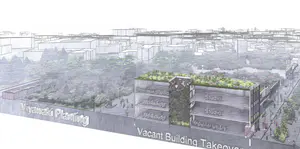
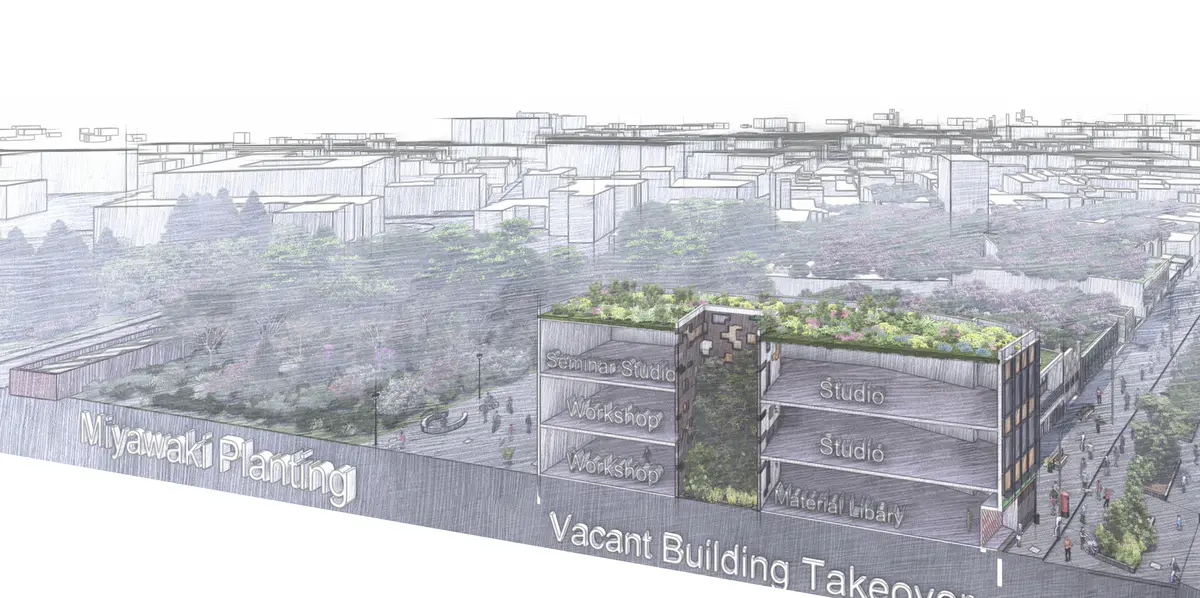
Explore Vacant Buildings - To avoid damaging an already deteriorating high street, I aim only to take over vacant plots.
Investigate the opportunity for Miyawaki planting - understand the conditions required to grow a sustainable material source on-site, including ground, water, and space conditions.
It takes over a building that leads directly to an open space where a community hub is the centre of the thesis, offering education, community engagement and material celebration.
Localising Material Accessibility
During my initial walk through the High Street of Dudley, I noticed an inevitable decline in the area. There were vacant shops, but those open had apparent facade damage. For the area to thrive, there needs to be an aesthetical uplift. Here I began to question how to make the repairs. On the one hand, one could complete a like for like repair with a deep clean to provide a new lease of life to achieve an aesthetical value. Alternatively, the repairs could be a status of where the street aims to be in the future. To achieve a statement, the implementation of repair work needs to stand out. It needs to be futuristic, a bold contrast to the existing.
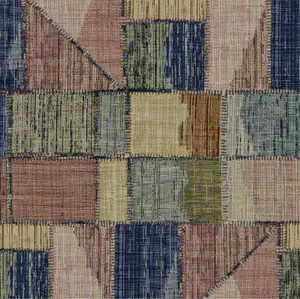
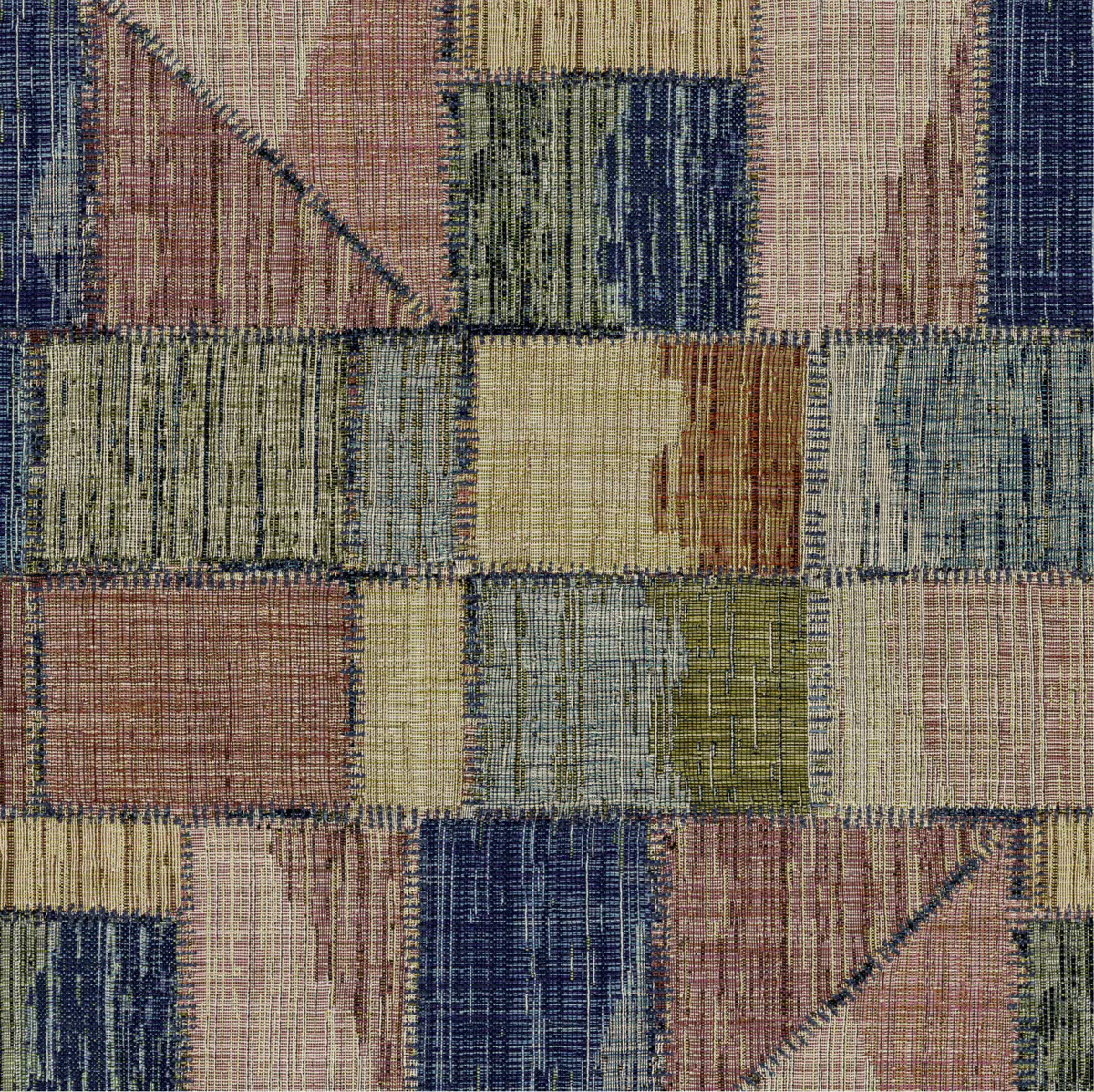
At this point, I decided that after being informed of the damage the built environment has on the climate crisis, only carbon zero/ carbon sequestering materials would be present during repairs. This does not aim to destroy existing buildings but instead carefully implement repairs creating a patchwork effect across the street. This would then grow over time as more repair work is required.
Over time, the high street would transform into a zero-carbon environment. The manufacturing and growth of these materials need to be local, so consideration is vital. This provides an opportunity for the site to be a material producer itself.
Street scale patchwork
Investigating Facade Damage will highlight where the repair needs to be undertaken.
It is creating an irregular pattern of repair that evolves.
Only intervene when necessary; this proposal will not ‘repair what does not need fixing’ as it appreciates there could be a negative effect on an already declining high street.
Repairs will be constructed with the materials grown on the street as part of the Macro-scale intervention.
A More-Than-Human Story of Dudley High Street
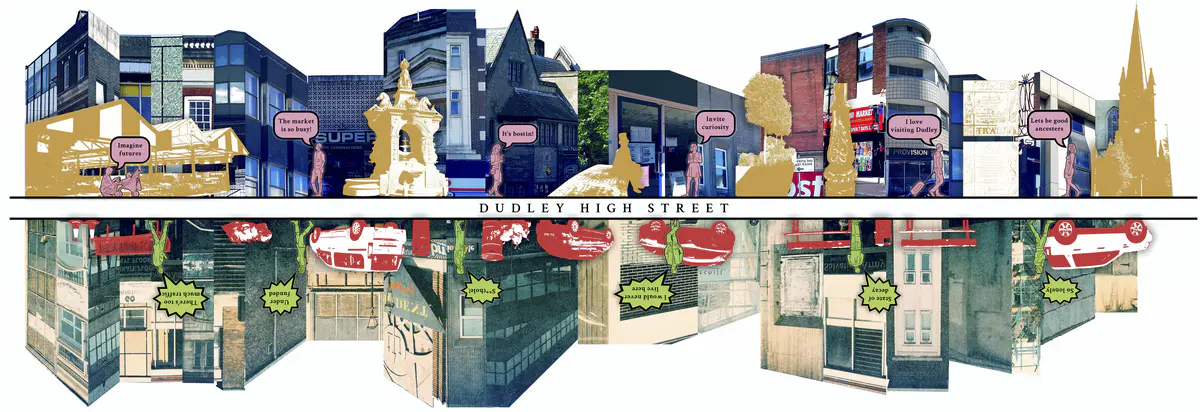
This story is a collective outcome after utilising completed Street Detectorism maps, and More-Than-Human findings to create of 'A More-Than-Human Story of Dudley High Street'.
As part of a dissertation study, this workshop invited participants to share their imagination and develop stories from the previous findings on Dudley High Street. This story creatively archives nature on Dudley High Street, with emphasis for the value of storytelling and nature at the forefront of this task.