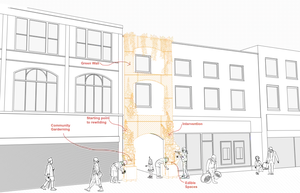
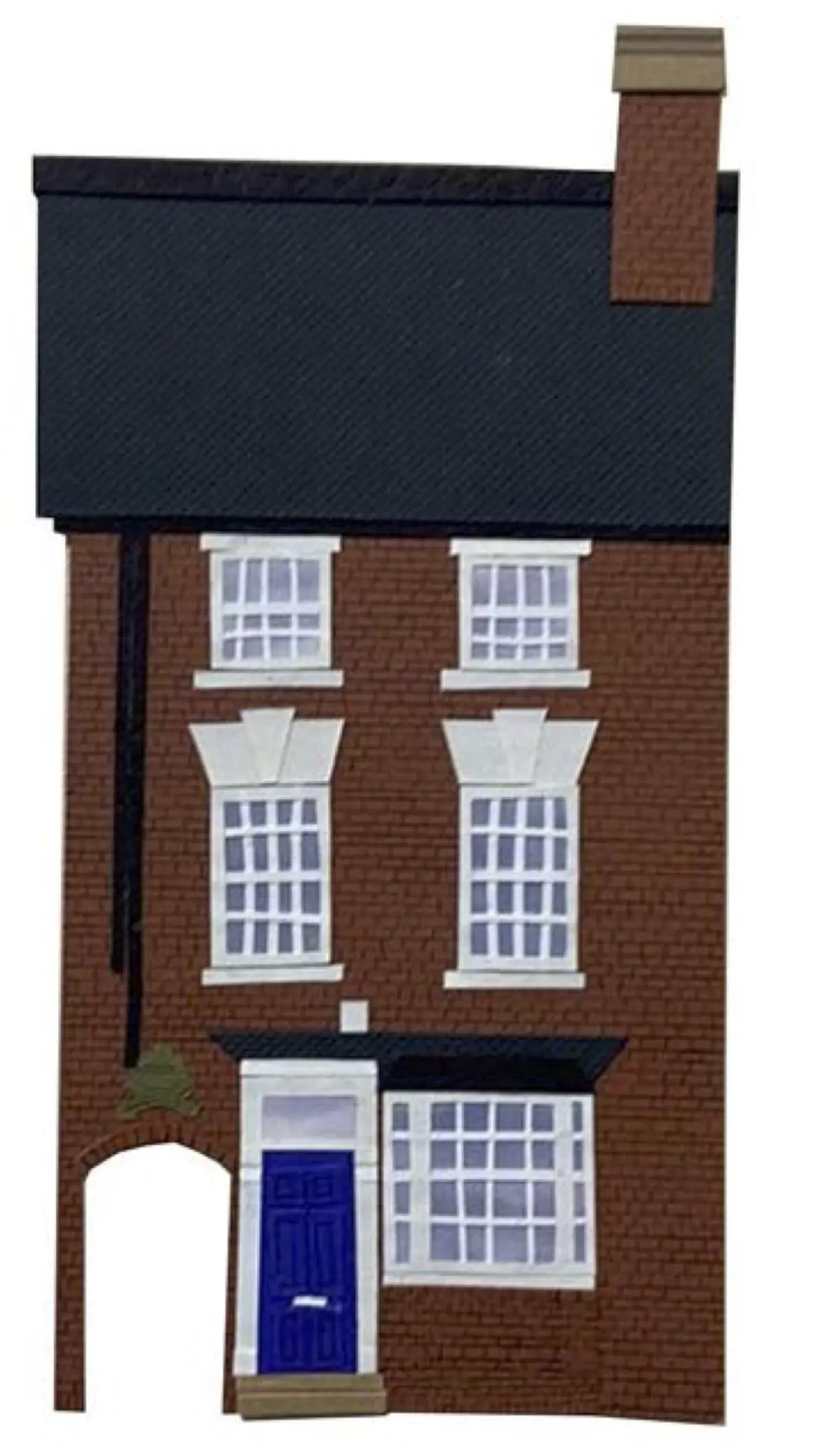
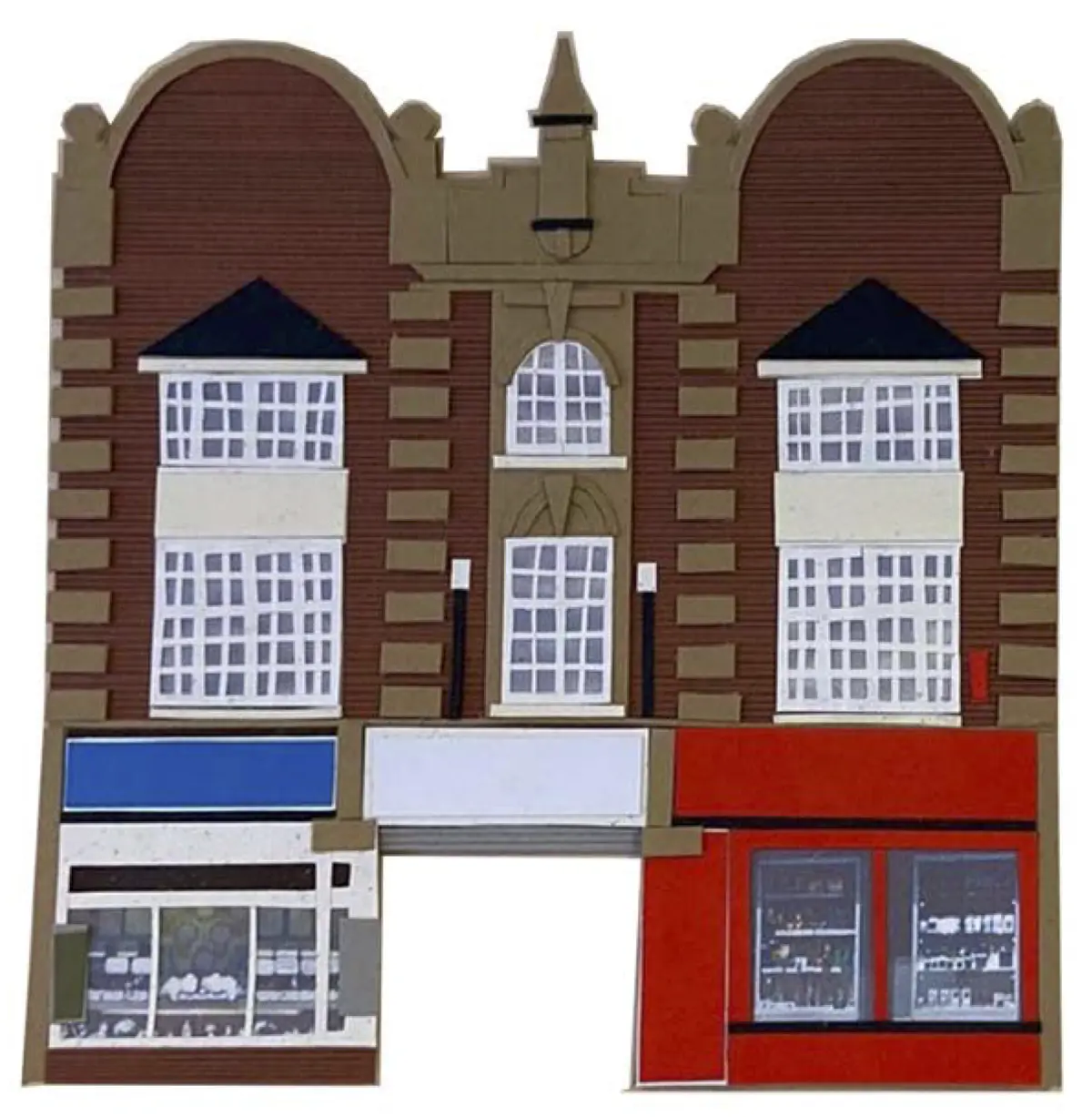
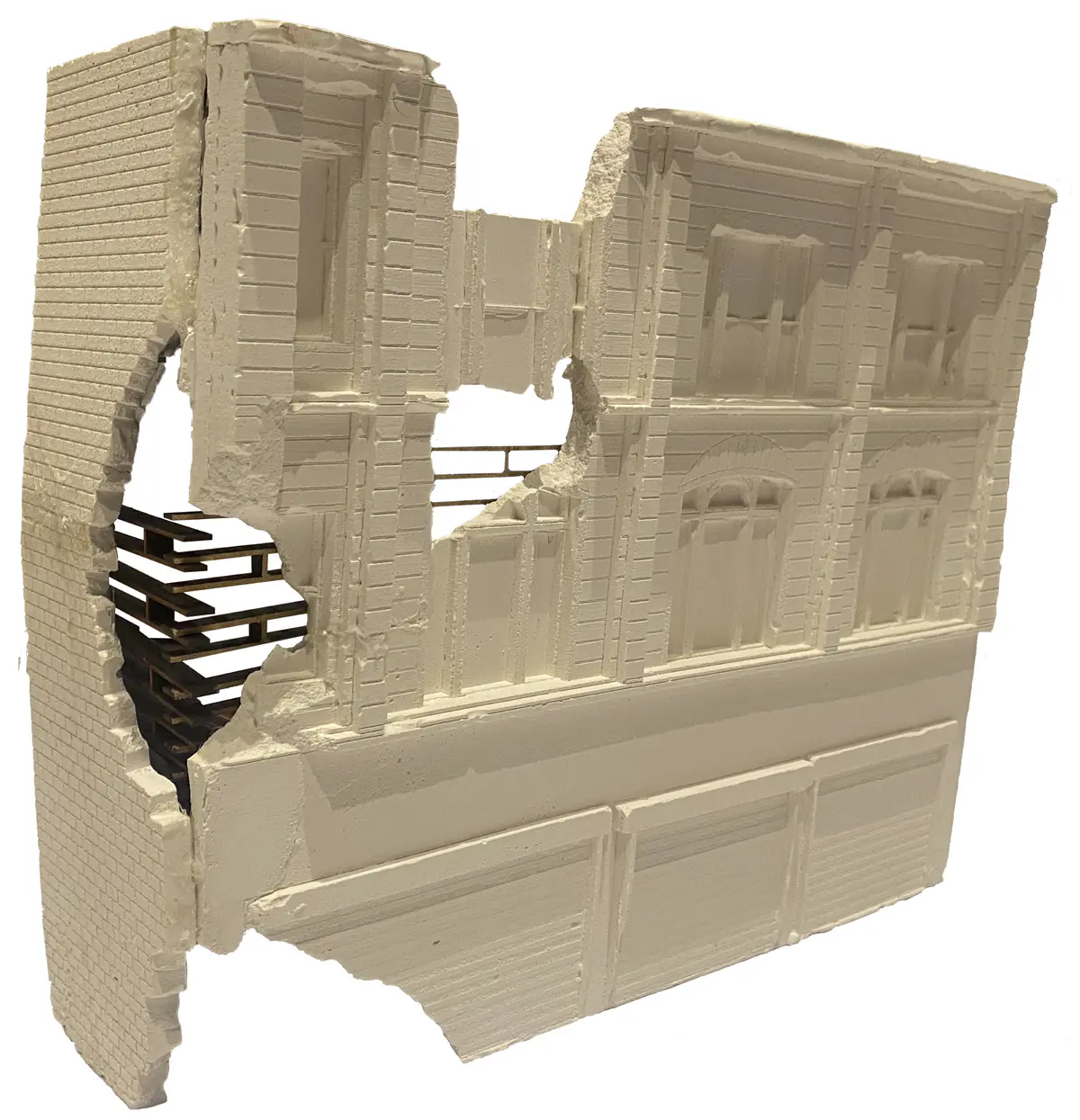
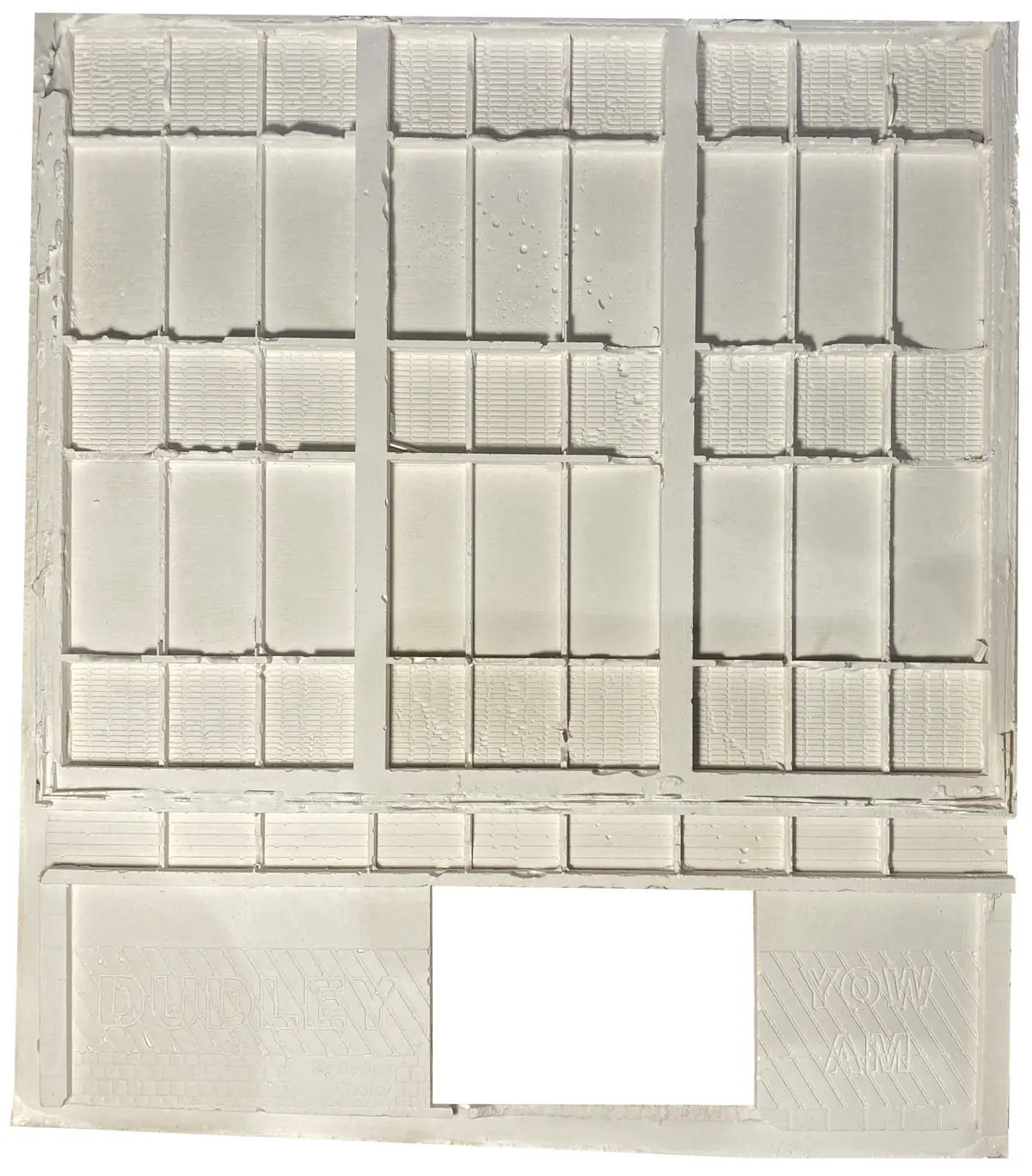
This building has been chosen due to the clear retrofit it has already undergone. The building has two halves, a modern function on street level with roller shutter doors. These doors seem very out of place as they are not shy in hiding their presence. Then the top half is traditional stone and mortar with some elements of detailing around the windows. I wonder what the addition would look like with the zero- carbon material repair pallet.
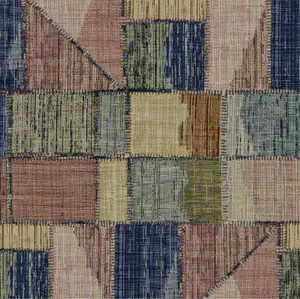
Street scale patchwork
Investigating Facade Damage will highlight where the repair needs to be undertaken.
It is creating an irregular pattern of repair that evolves.
Only intervene when necessary; this proposal will not ‘repair what does not need fixing’ as it appreciates there could be a negative effect on an already declining high street.
Repairs will be constructed with the materials grown on the street as part of the Macro-scale intervention.
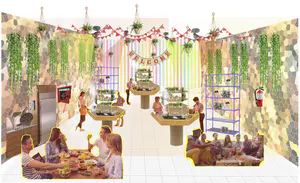
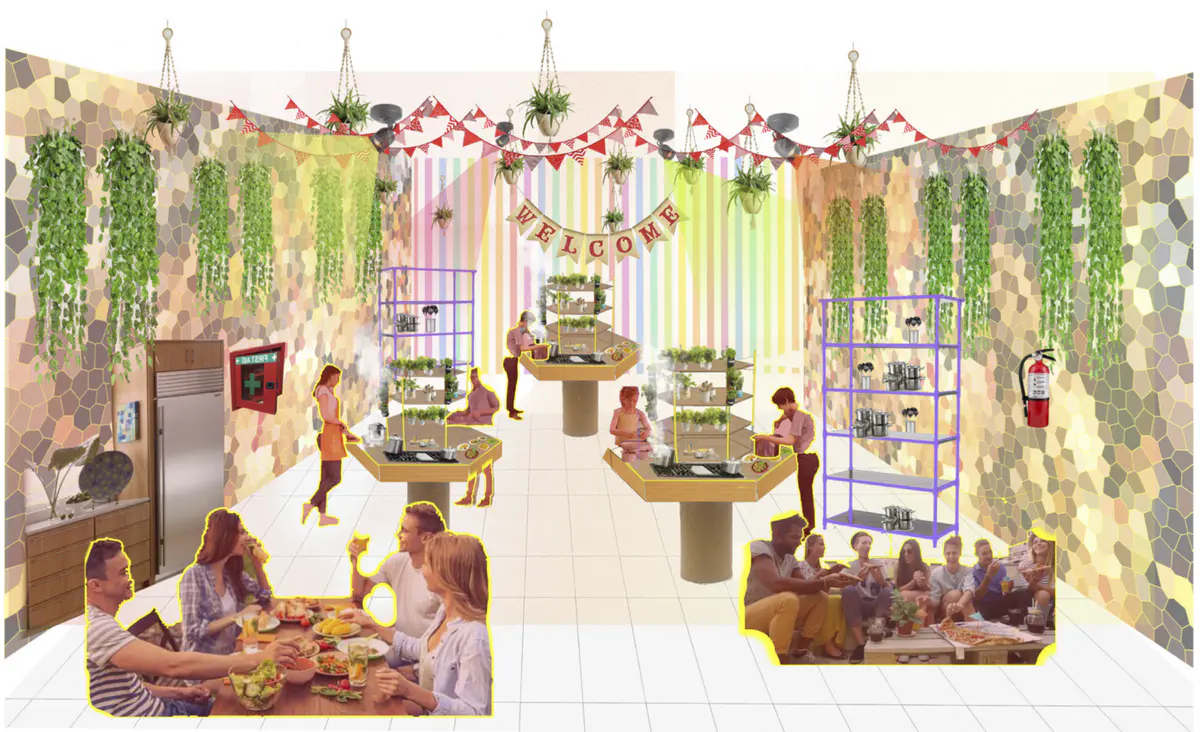
The interior of the community kitchen would be inviting and colourful to create a positive atmosphere. The colours were abstracted from one of our group collages of food. The kitchen counters are not considered as a back of house element; they have been combined with seating as we are trying to embrace the cooking process. The kitchen desk is designed in a way so multiple people can work together from all sides, with central storage for herbs.
The facade of the kitchen contains a small window so food can be sold outside. We have also created a vertical herb garden so it can be used in the community kitchen. We wanted to keep these below eye-line so people outdoors have a clear view into what’s going on inside.
This street section shows activity from the back of the community kitchen to the other end of the street and how all these elements are working coherently. The street is filled more with people rather than cars. We believe that the outdoor seating, more trees, canopies and street lights can attract people to connect with the High Street.
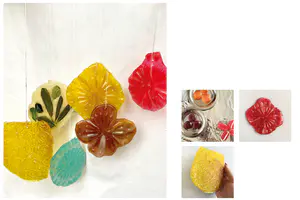
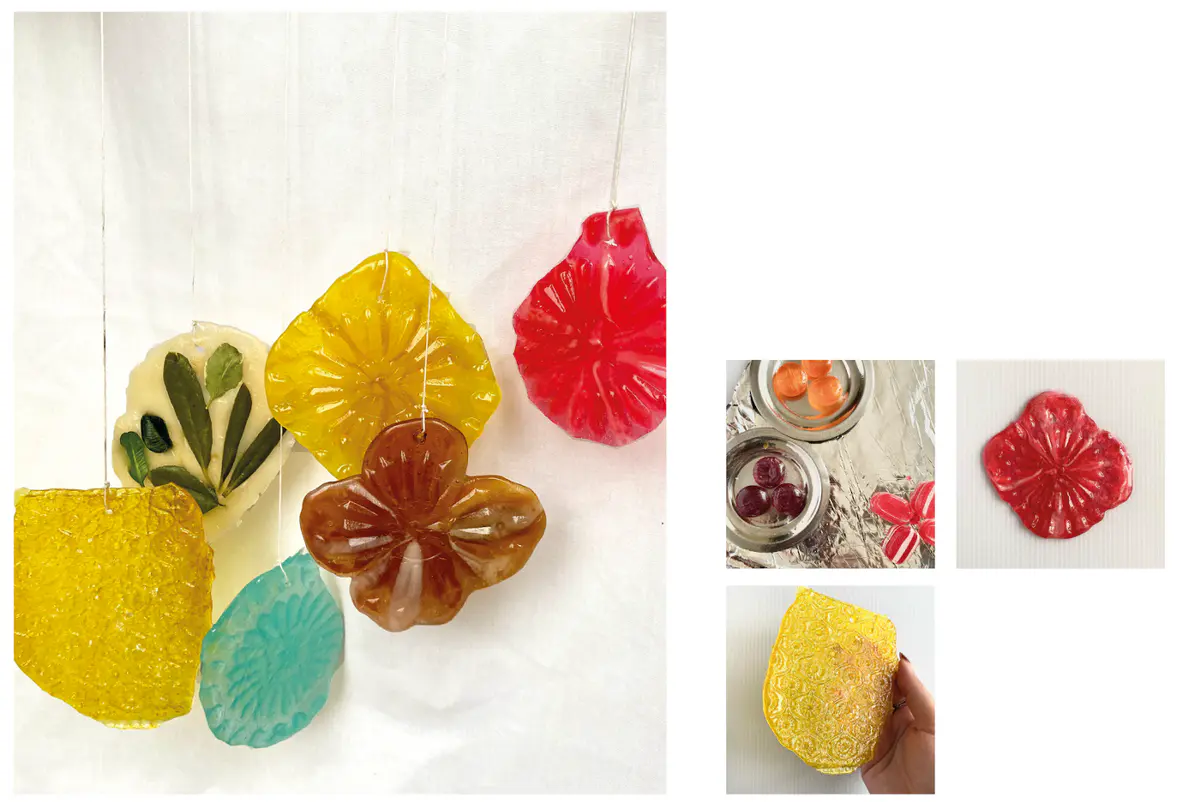
This gift was created to highlight different points in the social spaces on the high street. Aspects that we can improve on and celebrate. One point found was to incorporate more green spaces to improve health and wellbeing. The other to celebrate the textures and embossings in Dudley’s early ironworking. These ornaments were created by melting sweets and printing patterns onto them.
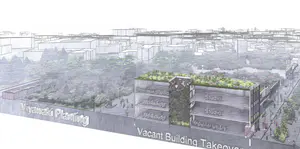
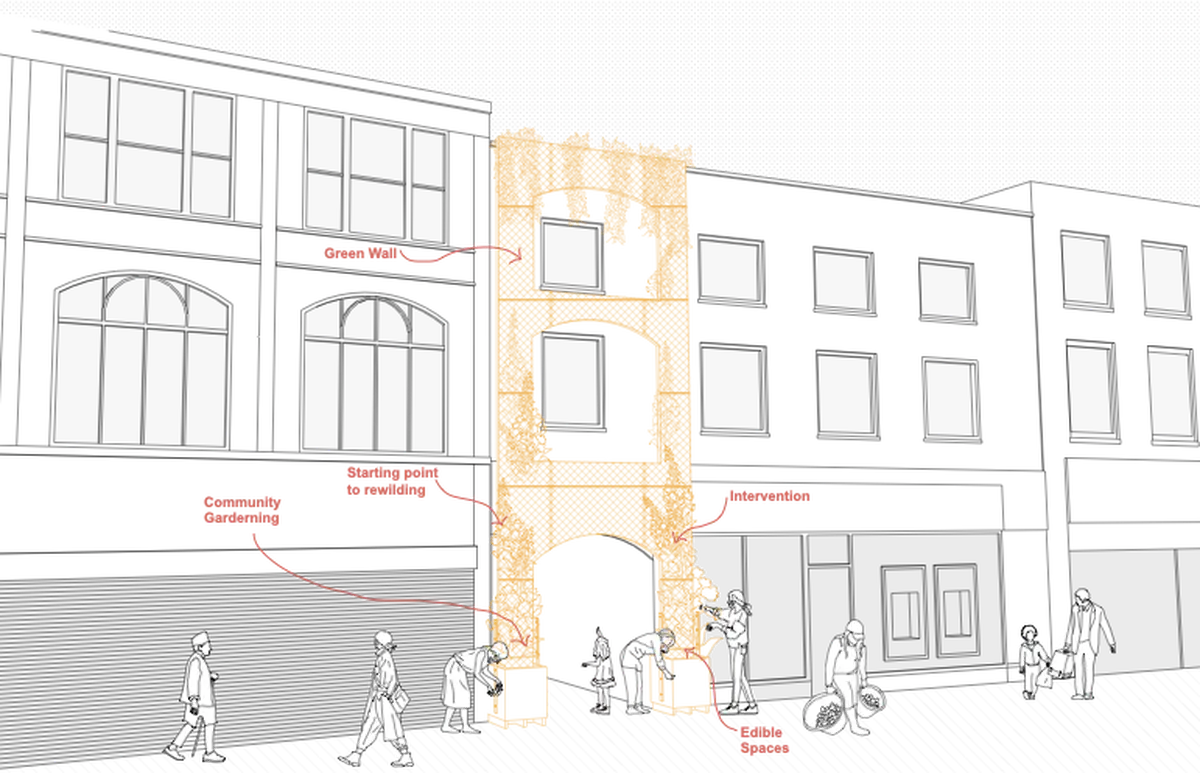
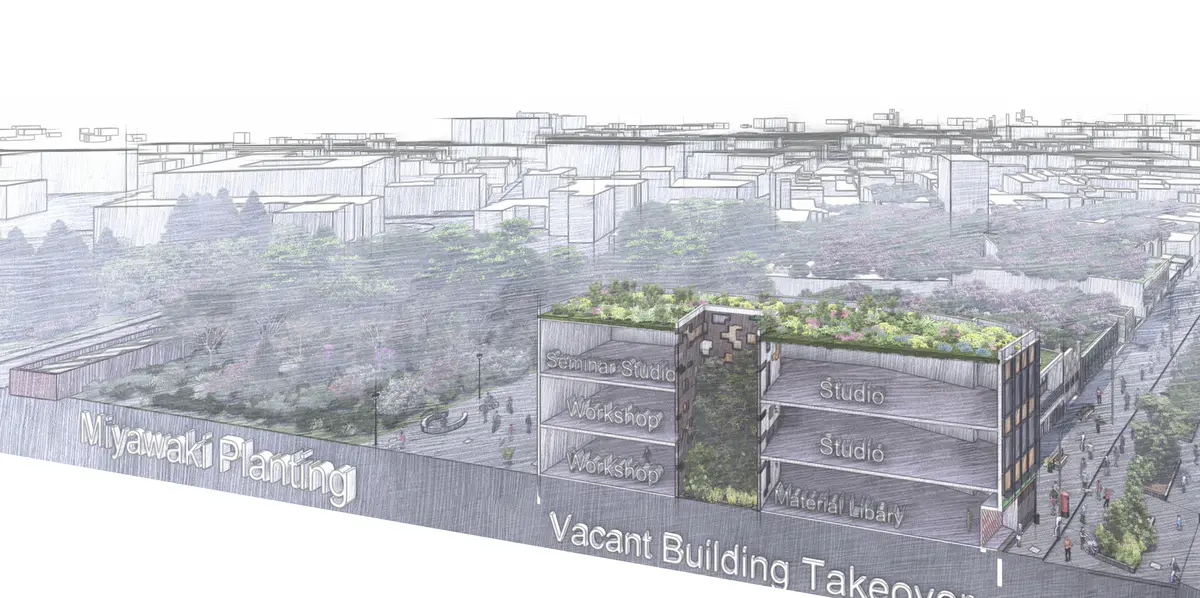
Explore The History Of Site Voids - This will provide an opportunity to reimplement these to allow vertical green corridors to occur.
Explore Vacant Buildings - To avoid damaging an already deteriorating high street, I aim only to take over vacant plots.
Investigate the opportunity for Miyawaki planting - understand the conditions required to grow a sustainable material source on-site, including ground, water, and space conditions.
It takes over a building that leads directly to an open space where a community hub is the centre of the thesis, offering education, community engagement and material celebration.
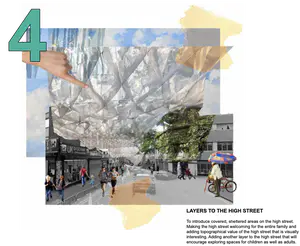
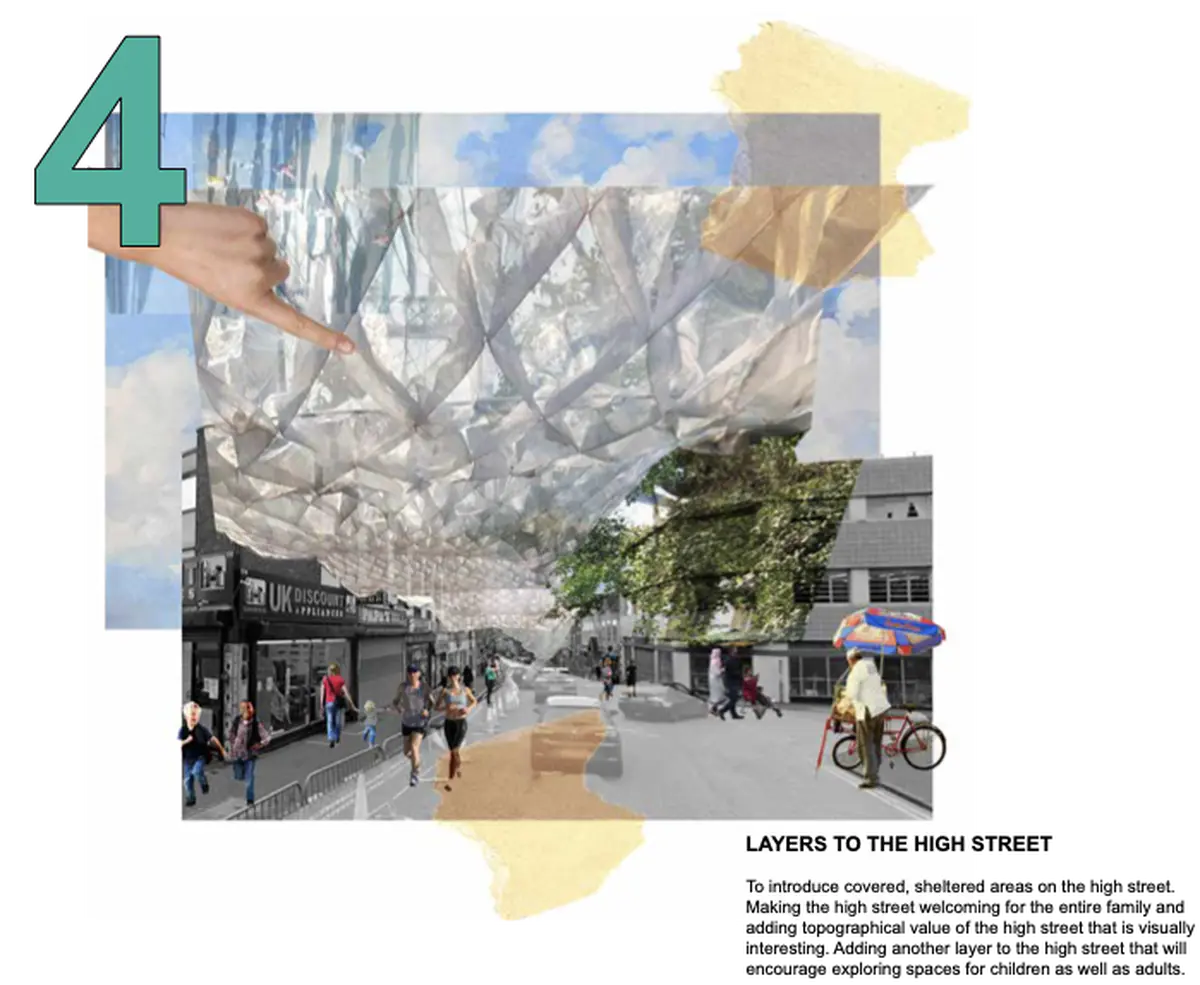
LAYERS TO THE HIGH STREET - To introduce covered, sheltered areas on the high street. Making the high street welcoming for the entire family and adding topographical value to the high street that is visually interesting. Adding another layer to the high street that will encourage exploring spaces for children as well as adults.
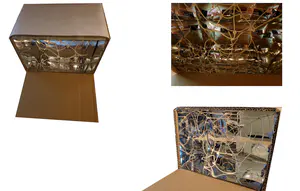
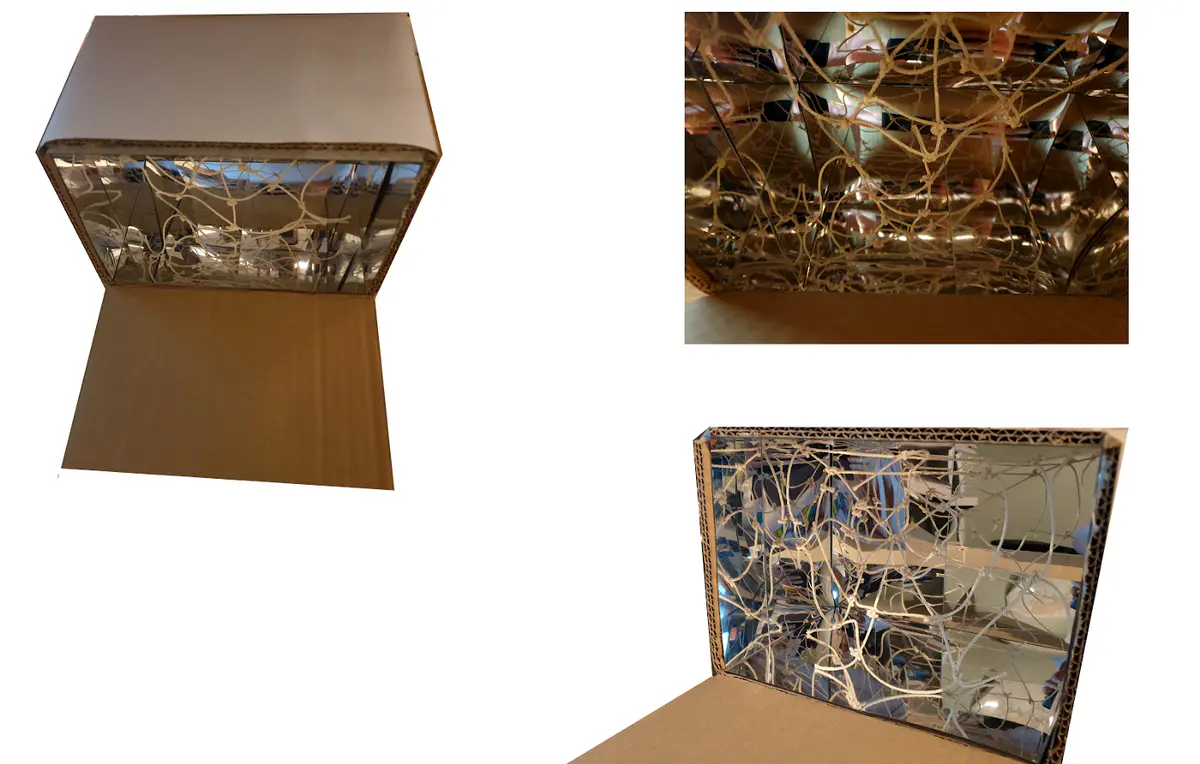
A cardboard box that when opened shows mirrors in all internal faces reflecting a web made with strings that represents Dudley as a complex system of interconnected elements. The Dudley High street has lack in colour, public spaces, and green areas, reflecting the local population that is experiencing deprivations and vice versa. Making a high street attractive can improve the local population in health, social and economic aspects.
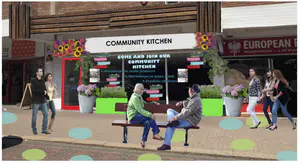
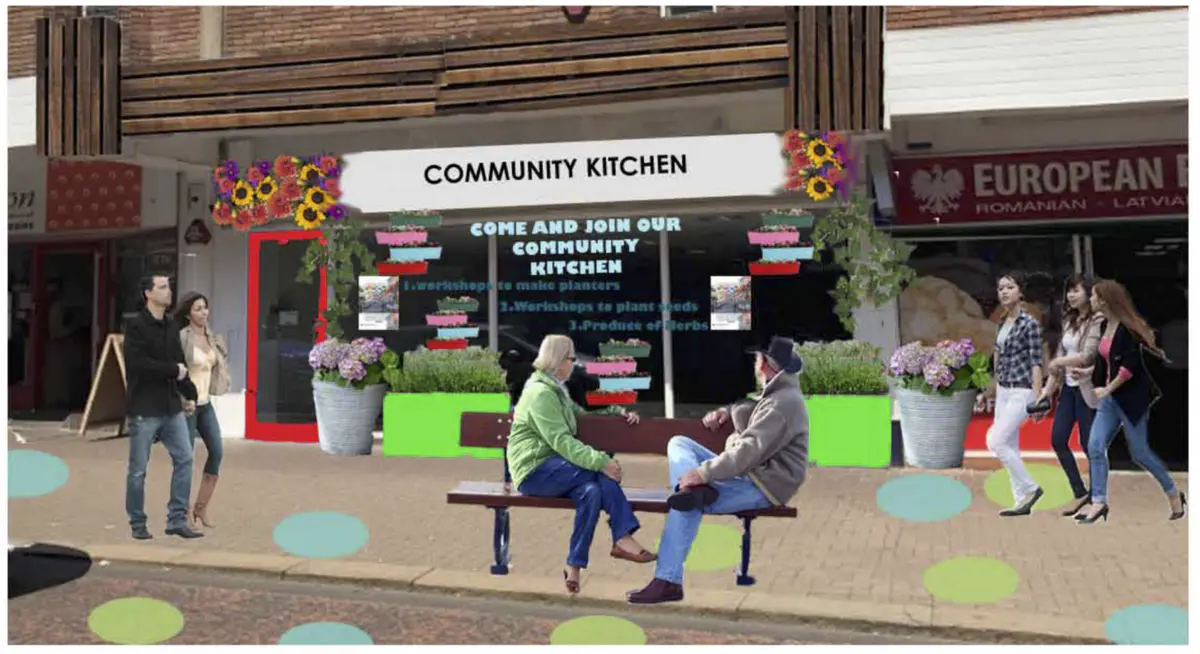
The second Stepping Stone project focused on the representation of colour and revitalising frontages. During our group discussions, we recognised the negligence of existing colour on Dudley High Street. Colour is a key element we believe can bring a sense of brightness into the High Street, and an element that should be of focus when revitalising the frontages.
In this example, we have approached the frontage for the community kitchen we envision. The visual showcases a Community Kitchen in which different herbs and spices can be grown. These can then be used to cook the many dishes respective to the different cultures existing on the High Street. Each frontage can respond to the different uses of the buildings to promote individuality across the street.
Localising Material Accessibility
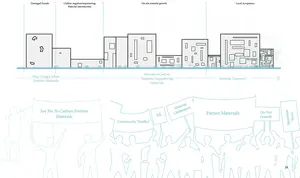
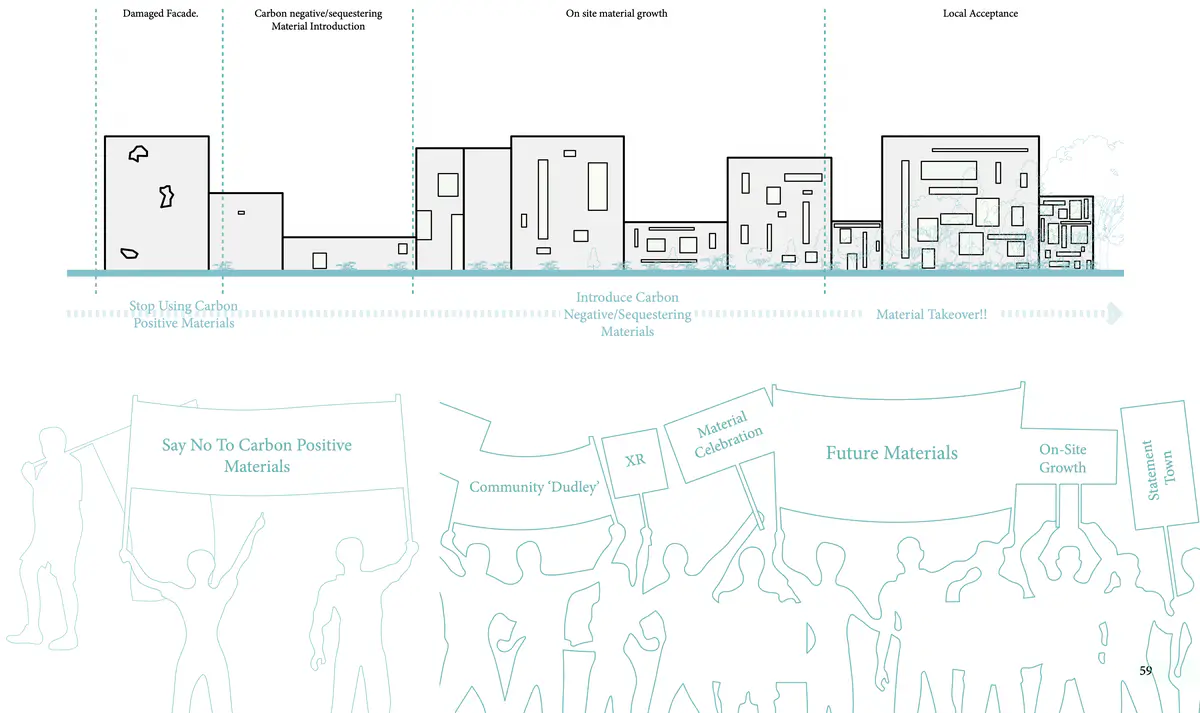
During my initial walk through the High Street of Dudley, I noticed an inevitable decline in the area. There were vacant shops, but those open had apparent facade damage. For the area to thrive, there needs to be an aesthetical uplift. Here I began to question how to make the repairs. On the one hand, one could complete a like for like repair with a deep clean to provide a new lease of life to achieve an aesthetical value. Alternatively, the repairs could be a status of where the street aims to be in the future. To achieve a statement, the implementation of repair work needs to stand out. It needs to be futuristic, a bold contrast to the existing.
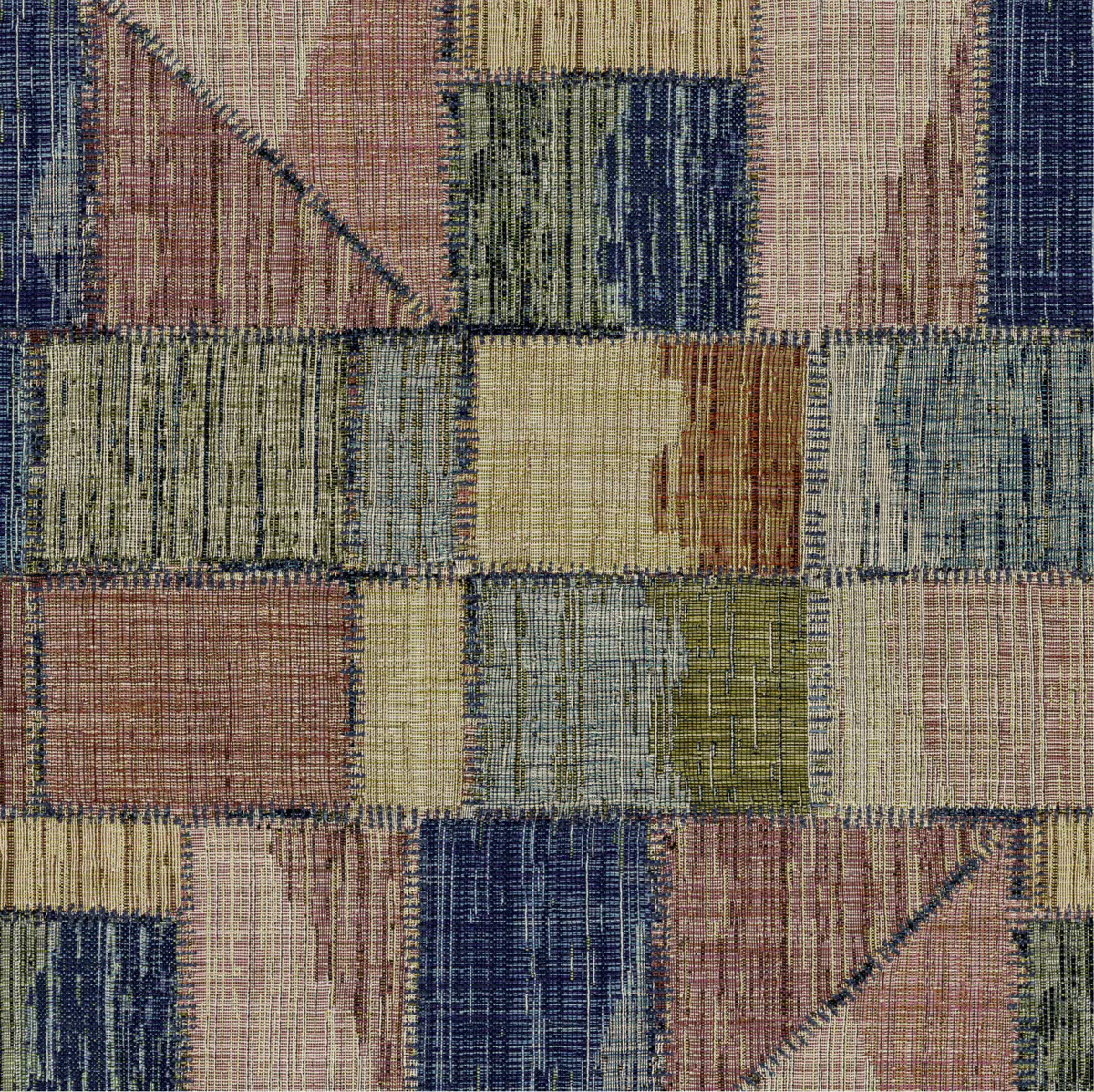
At this point, I decided that after being informed of the damage the built environment has on the climate crisis, only carbon zero/ carbon sequestering materials would be present during repairs. This does not aim to destroy existing buildings but instead carefully implement repairs creating a patchwork effect across the street. This would then grow over time as more repair work is required.
Over time, the high street would transform into a zero-carbon environment. The manufacturing and growth of these materials need to be local, so consideration is vital. This provides an opportunity for the site to be a material producer itself.
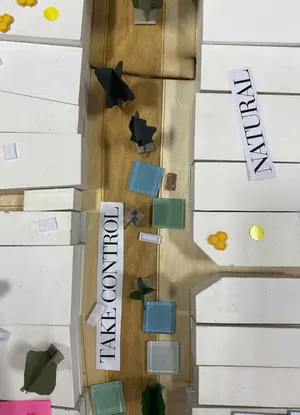
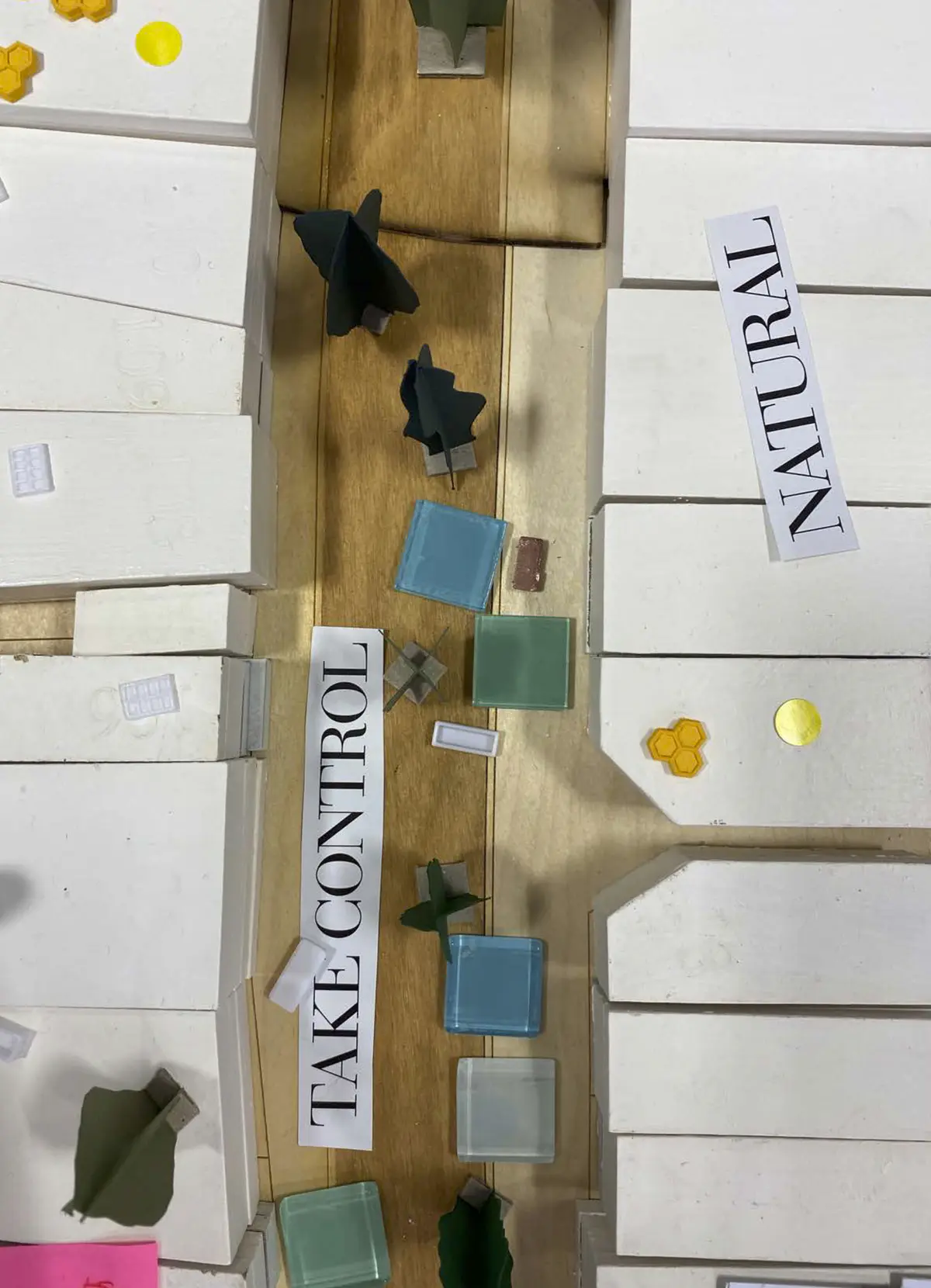
Looking to be the centrepiece of our exhibition, we proposed to create a site model of Dudley Highstreet at 1:200 scale with buildings modelled in a simple form. Local residents and visitors to the exhibition are then invited to decorate a chosen building to how they would envision it sat within the context of a greener Highstreet. We want to tie in our themes of biodiversity and materials by proposing that buildings can, and do, have the potential to be a lot healthier, sustainable, and interactive on the street. This site model also helps gain vital public opinions on the Highstreet and prompts discussion of areas most in need of attention.
To ensure that the model is utilising the MDF to the most efficient standard possible. First, the centres of the massing blocks have been hollowed out. This allows a reduction in materials used as other buildings can be cut in the centres of the model. Then the top is finished with a solid piece.
The waste material is placed into the recycling rack where other students can reuse it; otherwise, if the material left cannot be used for another project, it is recycled correctly by the university.
The model spanned just over 3.4m long and over 50cm wide. With the majority being cut from scrap woods that would fit the jigsaw of the shape, we were able to drastically cut down on waste. We also got some small benches and bee hives printed from recycled plastics, and used dried flowers as trees to represent the green spaces. Ultimately, the model seemed like a huge success, and really helped portray our ideas about Dudley High Street to those who came by. Everyone from Dudley who saw the model knew that it was the High Street, and interacted well with it. The size did make it difficult to move, especially to carry to the site, but it sat nicely in the centre of the the room and really drew people in to interact with it.
The model brought people in from outside to play with, write on, interact with. It became a spectacle for the public to come in and see what was happening and offer their ideas about what could be done.
The event was a success. Many people from the public (those who heard about the event, and those who just happened across it on the day) came in to interact with the model, which sat as the centre piece in the room. Kids liked to play with the pieces while the adults talked about things that could come from actions to help the High Street, not just leave it as is.
SOME OF THE KEY IDEAS WERE:
- The Shops need to be inviting for everyone. It’s no good having these places to go if people would rather take a bus to the next town.
- Just putting up boards across the windows is awful. Paint, Posters, Graffiti: Anything that actually makes the High Street look still alive is better than just wooden boards.
- More Green is needed. While it is obvious that there is a lack of Trees, many people wanted to push for these small bushes or planting spaces that could easily be implemented across the street.
- Spaces for public events or for people to at least gather at. While there is the Market and Fountain, it is not enough for the people of Dudley.
- Something needs to be done about the cars on the High Street. Some were Pro-Removal of all Cars, while some just wanted to limit when they could access the High Street.
Following the exhibition we created a series of drawings with our own interpretation of Sarah Wigglesworth ‘The Dining Table’ drawing. The drawings are a perfect representation of the our interactive model at the ERA Environmental Exhibition and Event. Showing the interaction the public had with the model, as well as the conversations that were held around the model.
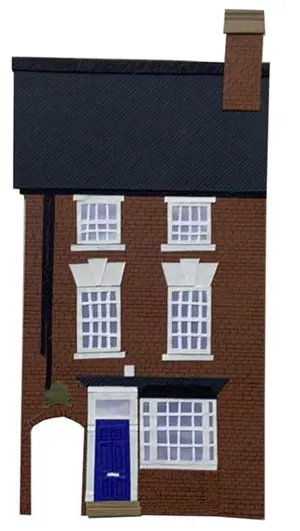
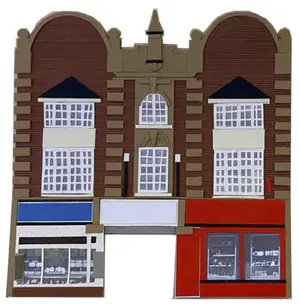
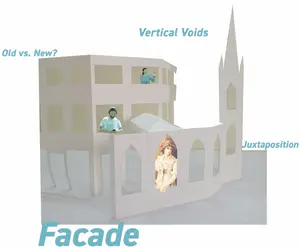
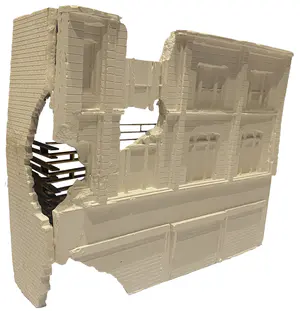
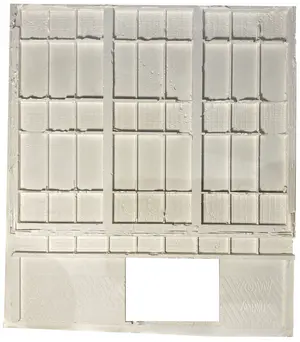
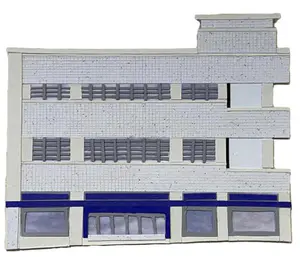
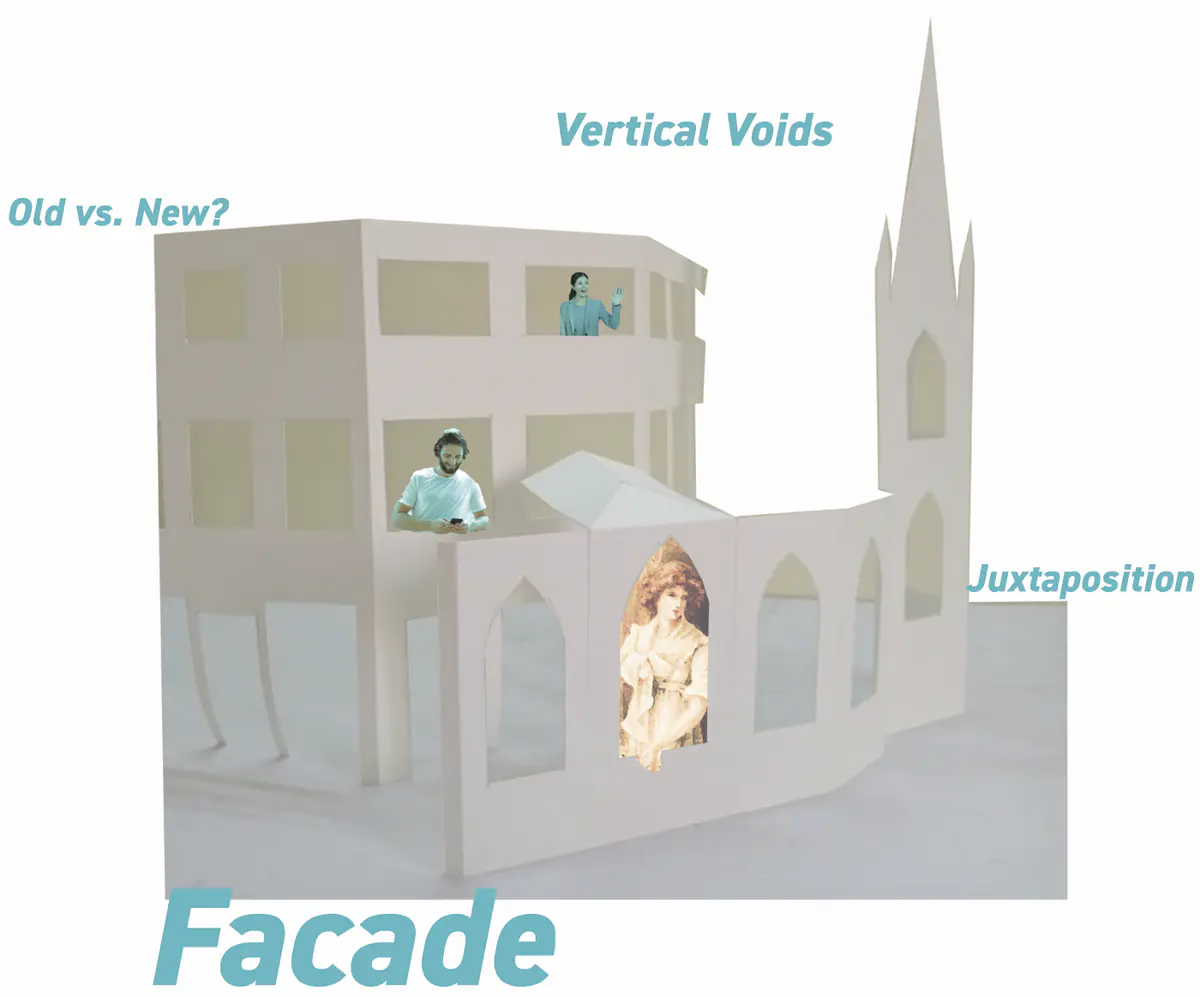
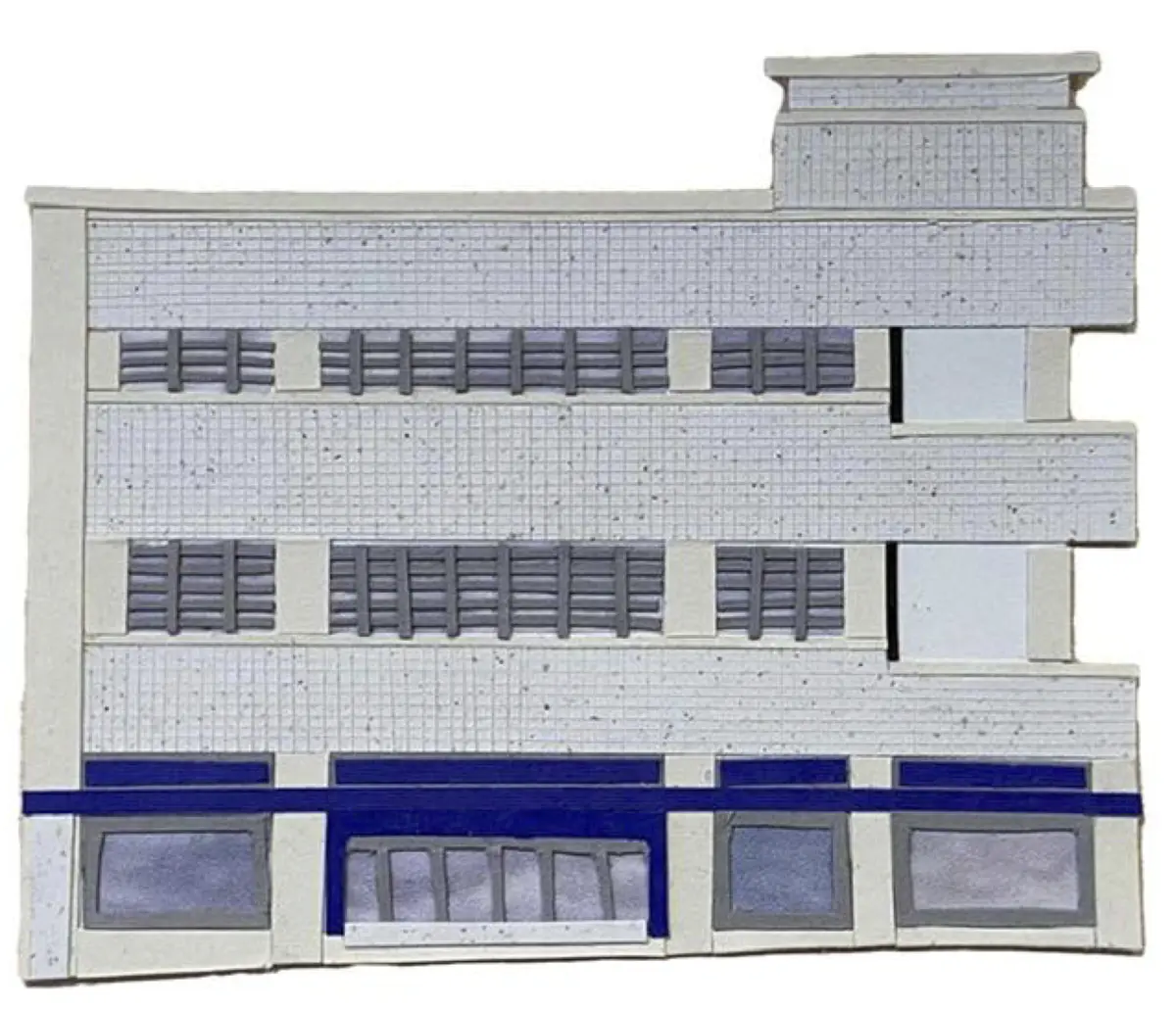
The Gift represents the two different typologies of building and its facade located on the High Street. One resembles St. Thomas Top Church and the other is the common modern building facade. The design of High Street buildings has evolved throughout the period. Its use, materiality, construction technique etc.
The High Street has always represented a role as a commercial and social hub. The concentration of public on the High Street provides the opportunities to designers to showcase creativity and innovation in design which impacts on visitors. We can say in other words, an ‘Exhibition’ of evolution of buildings in a row. So, facade plays a key role as it reflects the local identity of the town and its culture. So I did a little experiment to understand the street in the form of juxtaposition of facade by placing two different typologies of buildings located on the street. The voids on the facade have changed and adapted to more convenient rectilinear shapes during the past few decades.
The model made of plain paper can represent the periodical difference in buildings to which people of the High Street can easily relate and take a place within their memory.
A collage response to a Co.LAB gift for the High St - “It was nice to be able to use the image for something else. It made me think about placing the cut-out roadmap onto a slightly brighter future version, with colour, vibrancy and plantlife, so that it reminds me what we are heading towards, but still with a hark back to the people and the industry that made Dudley the town it is...”
Building Deterioration
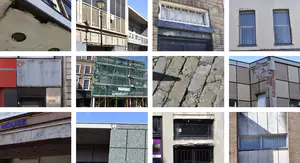
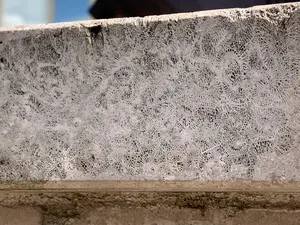
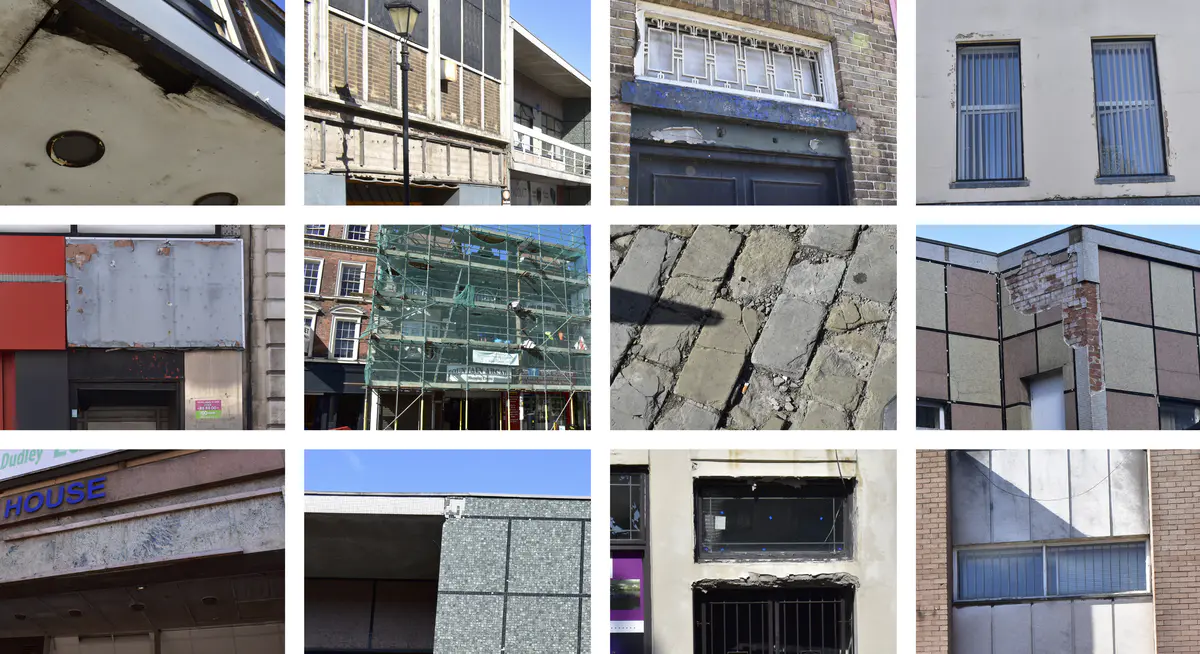
There was a familiar aesthetic regarding the buildings during the initial site visit to Dudley High Street. However, a large proportion of the façades that look onto the street have noticeable damage, graffiti or structural issues.
With that said, these images (right) are an insight into some of the damage. If the local authorities saw the high street as a priority, then damages and aesthetics would have been resolved and fixed. However, as there are multiple damages, this assumes that this high street is not one authority wish to preserve.
That said, this opens an opportunity. Instead of being a conservationist and repairing these buildings to their former glory, why not make them a statement piece within the high street. Possibly by placing a blanket ban on all of the current materials seen on the street. Instead, any repairs must be in Zero carbon / Carbon negative materials. This could then become an educational street with great architectural character. Both combined may increase the high streets footfall.
The first step would be to highlight any listed buildings or monuments within the high street.
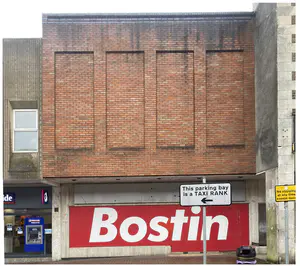
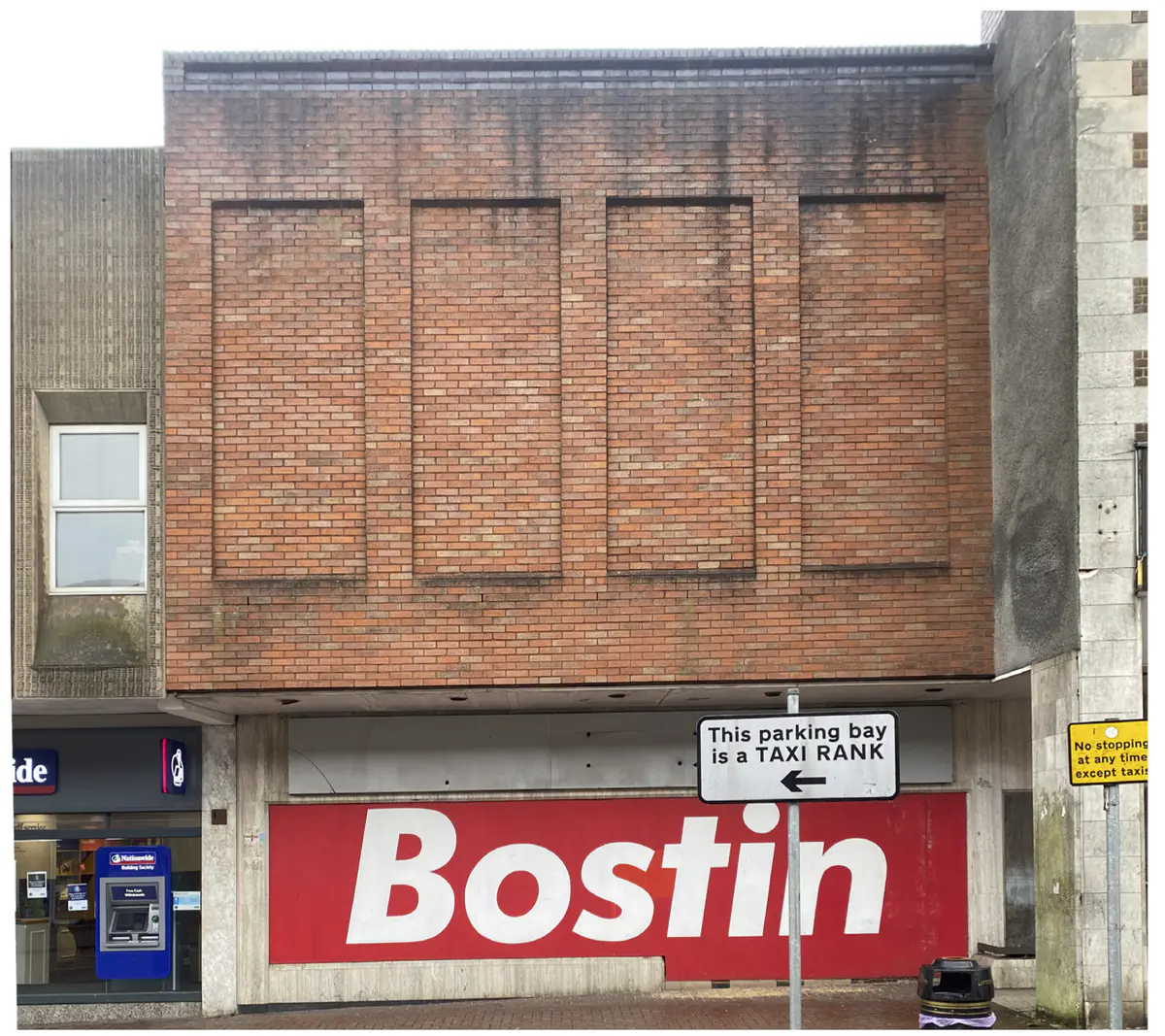
This building has been picked because it is significant as it represents the language slang used in the local area. Not only that, the facade clearly looks worn and requires repair throughout. This is the best place to start as the locals would easily refer to it via slang. So when spreading the news of repair, people would instantly know which building it is.
There is a clear presence representing Dudley with the bold red ‘Bostin’ sign at ground level. Chosen for its cantilever first and the second floor, this building could be adapted to have an external space. Also, there is a slight ‘hotel Fouquet barrière’ about the facade as its bricked-up windows represent change over time.