Dudley Time Portal

Items tagged: Regenerative
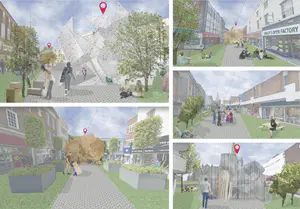
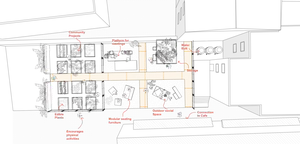
Creating a stronger connecting between the current food spaces by:
- Pedestrianising the road with a grassland
- Utilising abandoned building for education centres and community farming.

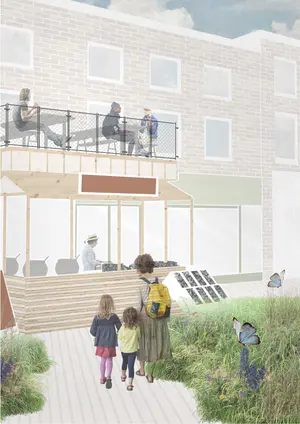
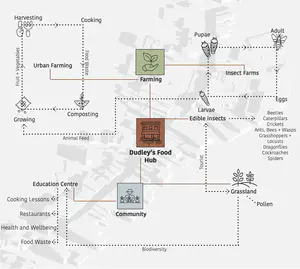
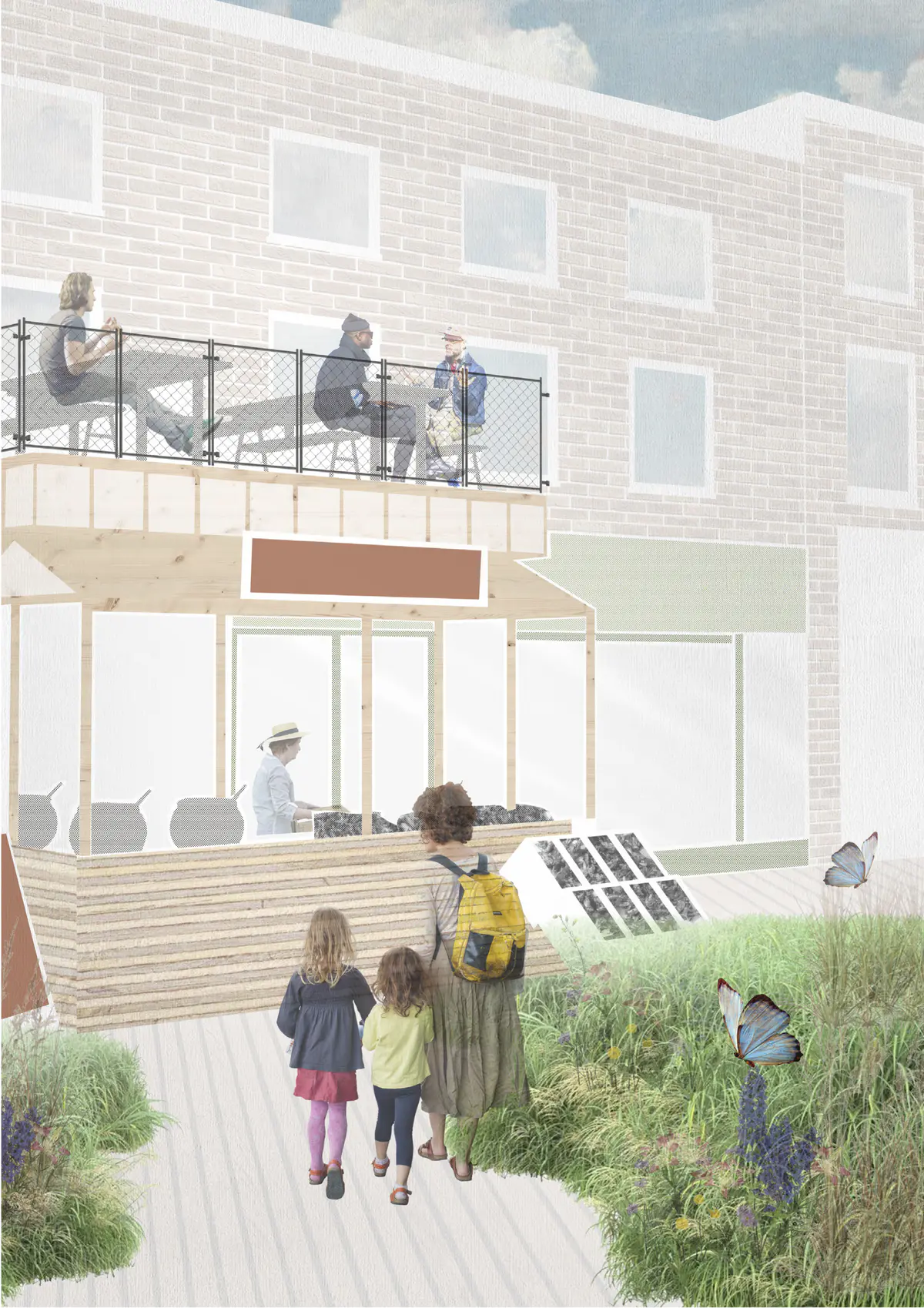
Linked to the Food Hub is an education centre sharing information on edible insects and Dudley’s biodiversity. Also offers insect cooking lessons to the local community and schools.

Immersed within the grassland is areas where existing buildings can extend out onto the street to create a stronger bond with new sustainable environment.

Redesigning the Market Place with more levels of outdoor seating to create a new experience and environment of eating food on the High Street.

Gardening and insect farming spaces integrated within the buildings. By bringing all the food production onto the High Street will help reduce food waste and also offer fresh produce to the locals. - Sita Patel Food Hub 0.png
Creating a stronger connecting between the current food spaces by: - Pedestrianising the road with a grassland - Utilising abandoned building for education centres and community farming. Linked to the Food Hub is an education centre sharing information on edible insects and Dudley’s biodiversity. Also offers insect cooking lessons to the local community and schools. Immersed within the grassland is areas where existing buildings can extend out onto the street to create a stronger bond with new sustainable environment. Redesigning the Market Place with more levels of outdoor seating to create a new experience and environment of eating food on the High Street. Gardening and insect farming spaces integrated within the buildings. By bringing all the food production onto the High Street will help reduce food waste and also offer fresh produce to the locals.
Diagram Drawing Photo Map Food System Growing Regenerative Sustainable Creatures Nature Plantlife Learning Community Health Waste Unused Architecture Biodiversity
By placing a community garden in this space space you can learn how to plant food and it will lead to more edible spaces on the High Street that will then lead to the re-wilding of Dudley. - 1_RI1cRE5_PNCwHyNETHVKkw.png
By placing a community garden in this space space you can learn how to plant food and it will lead to more edible spaces on the High Street that will then lead to the re-wilding of Dudley.
Collage Drawing Imagining Abundance Access Architecture Care Change Community Creativity Creatures Culture Curiosity Food Future Growing Imagination Invitations Learning Life Lingering Nature Opportunity People Plantlife Potential Regenerative Relaxing
Water Collection
With this information I can begin to map out 1038m2 of miyawaki forests.
It is crucial that the forests do not use more water than stored as then the project isn’t zero carbon as it would require fresh water. It is important that the water collected is sufficient for this project to work. This data also provides the information to how much storage is required on the site. - Ryan Cooksey Water 1.png
Water Collection With this information I can begin to map out 1038m2 of miyawaki forests. It is crucial that the forests do not use more water than stored as then the project isn’t zero carbon as it would require fresh water. It is important that the water collected is sufficient for this project to work. This data also provides the information to how much storage is required on the site.
Map Diagram Text Count Water High Nature Growing Plantlife Sustainable Regenerative Potential Opportunity Material Waste System
The Overarching Concept

Providing Dudley with a self-sufficient ecosystem improves
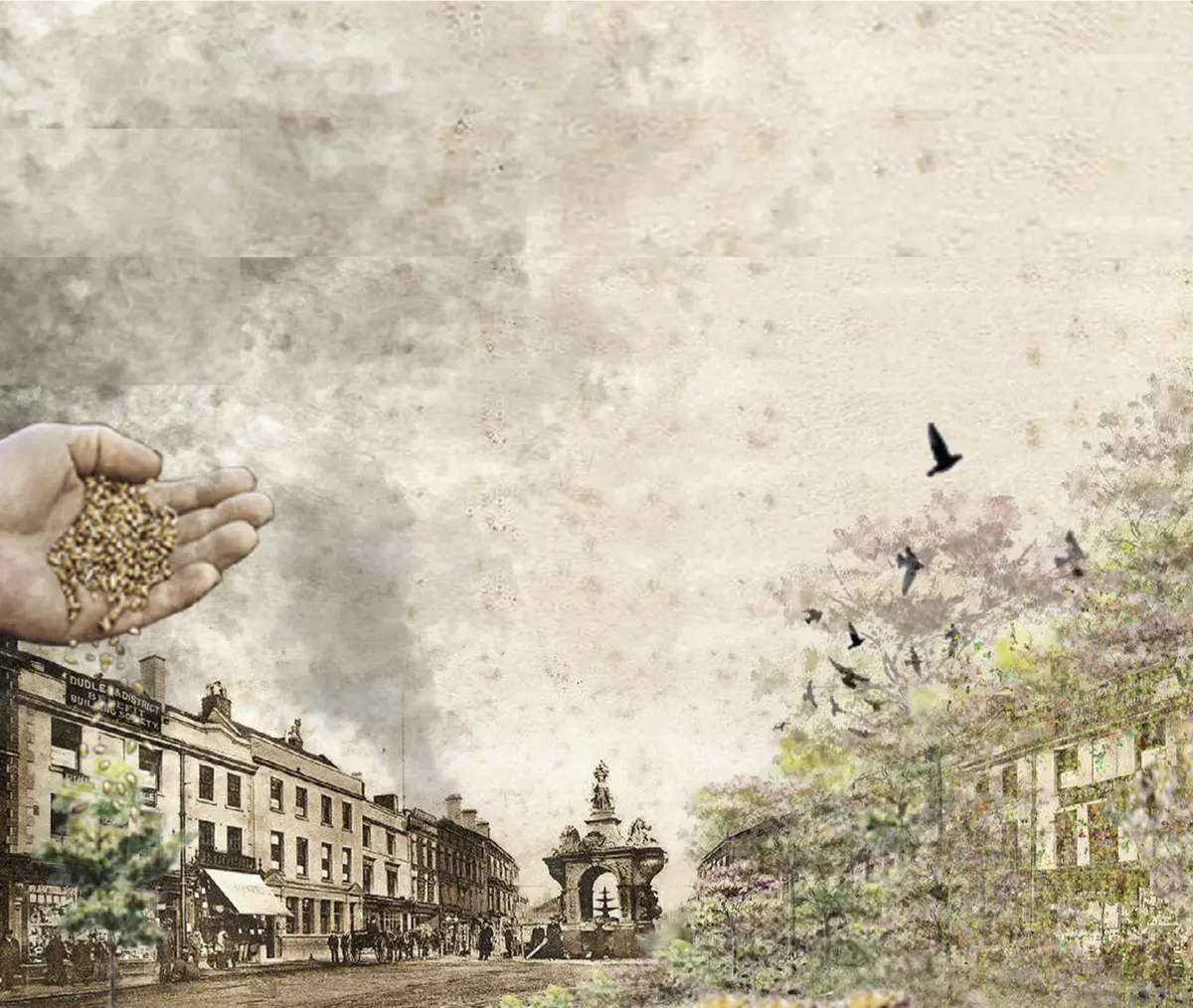
local biodiversity. It is producing enough materials to repair and construct new buildings/interventions within the area. This radical movement could be implemented across many other declining towns. The issue is that we have become too comfortable linking with surrounding areas. For example, importing materials has a vast embodied carbon, likewise for electricity and so on. This thesis aims to grow the required materials and harvests water, capture energy with PV to allow the town of Dudley to be self-sufficient. - Ryan Cooksey Overarching Concept.png
The Overarching Concept Providing Dudley with a self-sufficient ecosystem improves local biodiversity. It is producing enough materials to repair and construct new buildings/interventions within the area. This radical movement could be implemented across many other declining towns. The issue is that we have become too comfortable linking with surrounding areas. For example, importing materials has a vast embodied carbon, likewise for electricity and so on. This thesis aims to grow the required materials and harvests water, capture energy with PV to allow the town of Dudley to be self-sufficient.
Collage Sustainable Regenerative Potential Opportunity System Biodiversity Material Architecture Change Energy
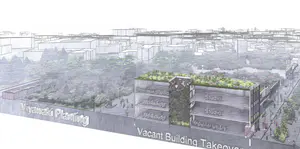
Explore The History Of Site Voids - This will provide an opportunity to reimplement these to allow vertical green corridors to occur.

Explore Vacant Buildings - To avoid damaging an already deteriorating high street, I aim only to take over vacant plots.

Investigate the opportunity for Miyawaki planting - understand the conditions required to grow a sustainable material source on-site, including ground, water, and space conditions.

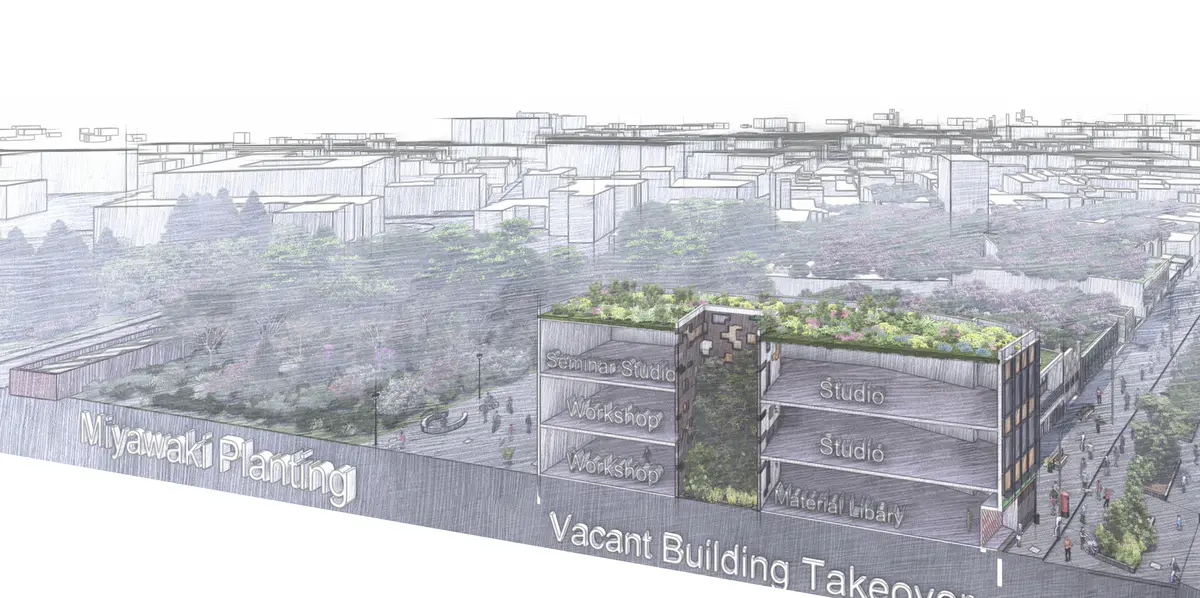
It takes over a building that leads directly to an open space where a community hub is the centre of the thesis, offering education, community engagement and material celebration. - Ryan Cooksey Material Celebration Hub 1.png
Explore The History Of Site Voids - This will provide an opportunity to reimplement these to allow vertical green corridors to occur. Explore Vacant Buildings - To avoid damaging an already deteriorating high street, I aim only to take over vacant plots. Investigate the opportunity for Miyawaki planting - understand the conditions required to grow a sustainable material source on-site, including ground, water, and space conditions. It takes over a building that leads directly to an open space where a community hub is the centre of the thesis, offering education, community engagement and material celebration.
Collage Diagram Drawing Imagining Map Text Photo Sustainable Regenerative Potential Opportunity Architecture Change Energy Decay Unused Nature Growing Plantlife Water Community Past Archaeology Learning Health Aesthetic Biodiversity Imagination Climate
Nurturing AgroEcology in Urban Life
A strategy for living alongside food production

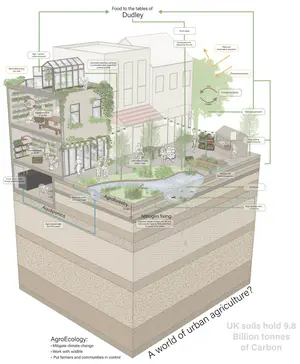
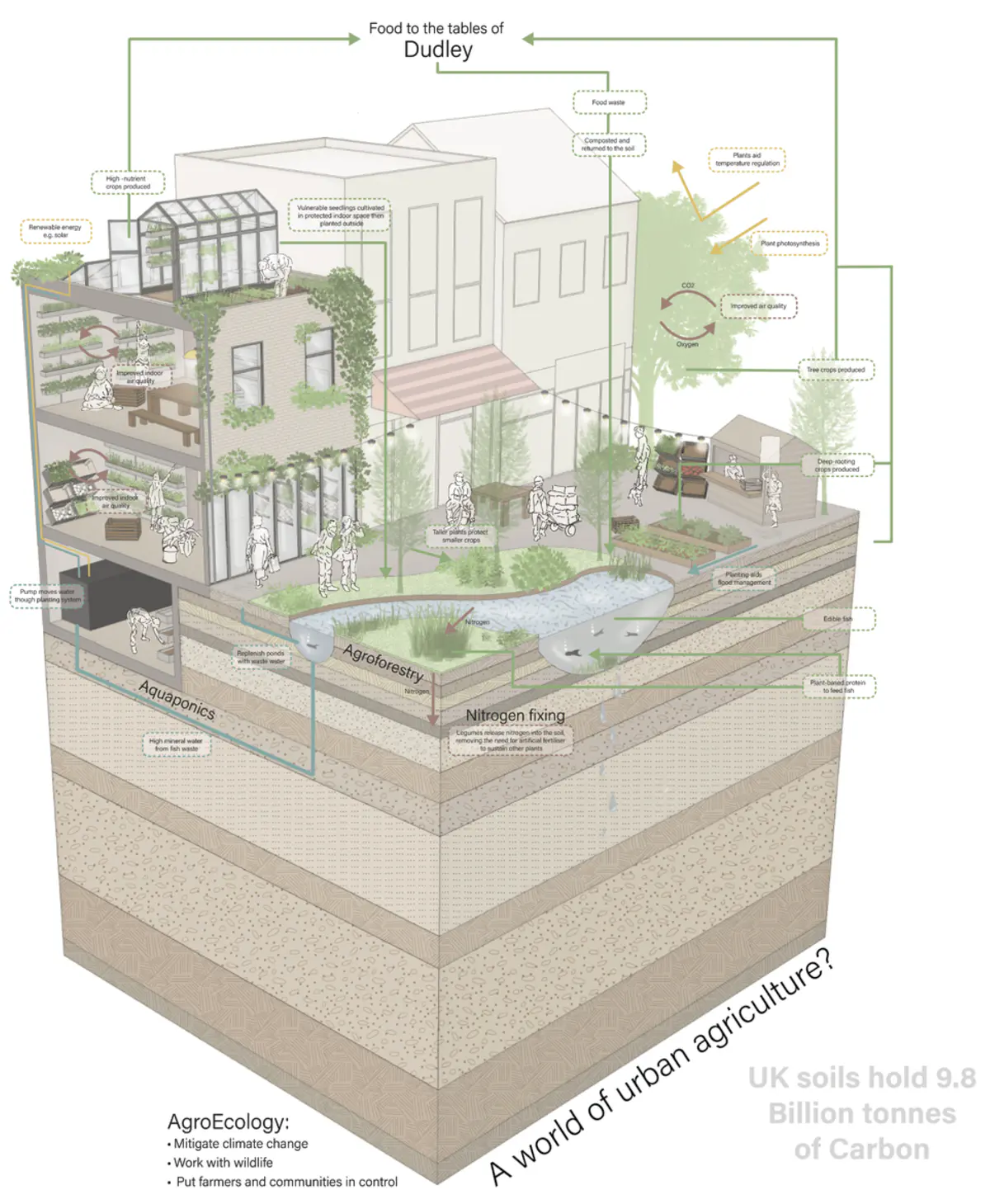
A critical part of the climate crisis is the degradation of soil, leading to scientists predicting the UK has approximately 100 harvests left of stable crop production. As an attempt to address the problem this project will explore the possibility of integrating sustainable agriculture into an urban setting, reducing the strain on agricultural land, reducing food miles and widening city biodiversity. Taking guidance from the farming movement, ‘Agroecology,’ a climate conscious, wildlife supporting and community engaged closed loop system will be developed, combining traditional growing with technology driven techniques that will support each other to produce a diverse plate.

Dudley High Street will be the focal point, reinvented as a destination not just for the purchase and consumption of food but also its creation, driven by the needs and engagement of local people. Connecting the community to the food they eat.  - Annabel Linch 4.png
Nurturing AgroEcology in Urban Life A strategy for living alongside food production A critical part of the climate crisis is the degradation of soil, leading to scientists predicting the UK has approximately 100 harvests left of stable crop production. As an attempt to address the problem this project will explore the possibility of integrating sustainable agriculture into an urban setting, reducing the strain on agricultural land, reducing food miles and widening city biodiversity. Taking guidance from the farming movement, ‘Agroecology,’ a climate conscious, wildlife supporting and community engaged closed loop system will be developed, combining traditional growing with technology driven techniques that will support each other to produce a diverse plate. Dudley High Street will be the focal point, reinvented as a destination not just for the purchase and consumption of food but also its creation, driven by the needs and engagement of local people. Connecting the community to the food they eat.
Drawing Map Imagining Nature Life Plantlife Growing Climate Soil Sustainable Food Biodiversity Creatures Community System Technology Consumption Creativity People Connection Architecture Pollution Regenerative Potential Opportunity Imagination Craft Making Material
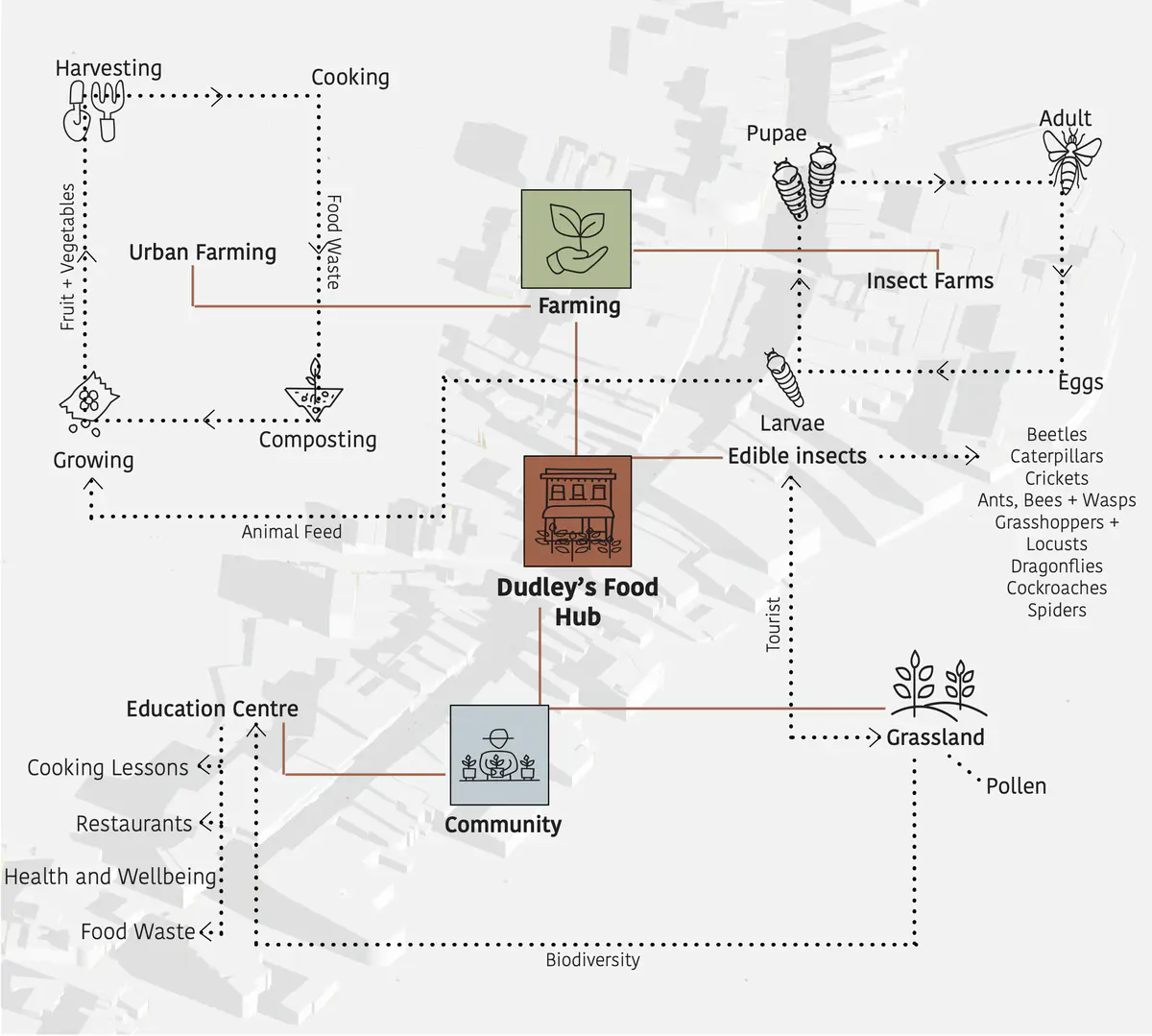
Proposed system for edible insects - Sita Patel Edible Systems 1.png
Proposed system for edible insects
Diagram Model Food System Growing Regenerative Sustainable Creatures Nature Plantlife Learning Community Health Waste
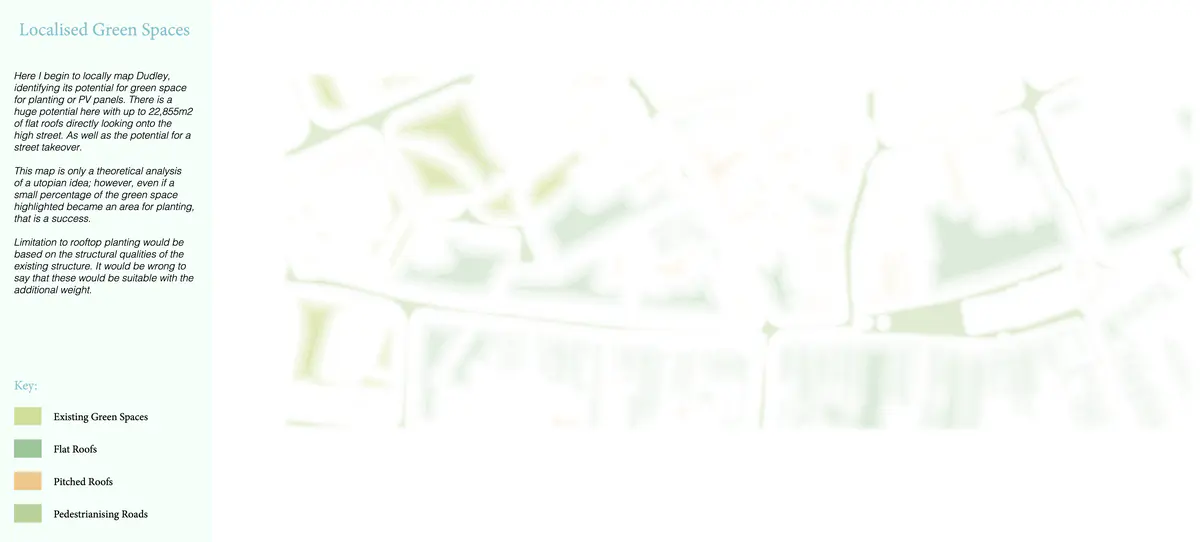
Localised Green Spaces

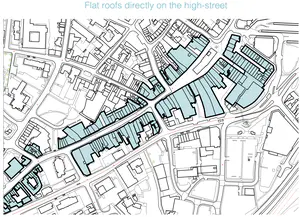
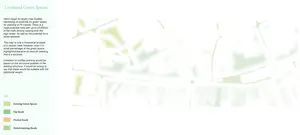
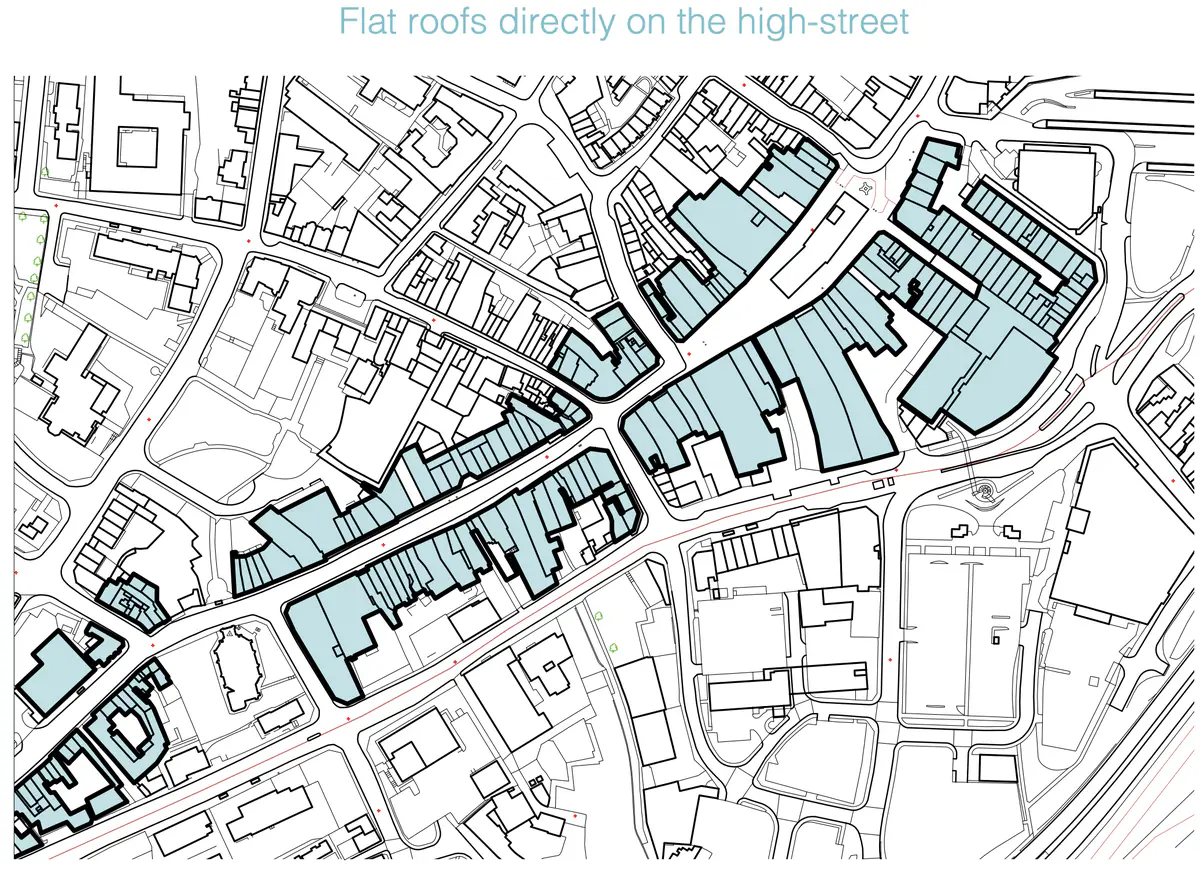
Here I begin to locally map Dudley, identifying its potential for green space for planting or PV panels. There is a huge potential here with up to 22,855m2 of flat roofs directly looking onto the high street. As well as the potential for a street takeover.

This map is only a theoretical analysis of a utopian idea; however, even if a small percentage of the green space highlighted became an area for planting, that is a success.

Limitation to rooftop planting would be based on the structural qualities of the existing structure. It would be wrong to say that these would be suitable with the additional weight. - Ryan Cooksey Green roofs.png
Localised Green Spaces Here I begin to locally map Dudley, identifying its potential for green space for planting or PV panels. There is a huge potential here with up to 22,855m2 of flat roofs directly looking onto the high street. As well as the potential for a street takeover. This map is only a theoretical analysis of a utopian idea; however, even if a small percentage of the green space highlighted became an area for planting, that is a success. Limitation to rooftop planting would be based on the structural qualities of the existing structure. It would be wrong to say that these would be suitable with the additional weight.
Map Diagram High Nature Growing Plantlife Sustainable Regenerative Potential Opportunity
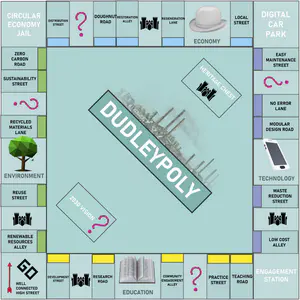
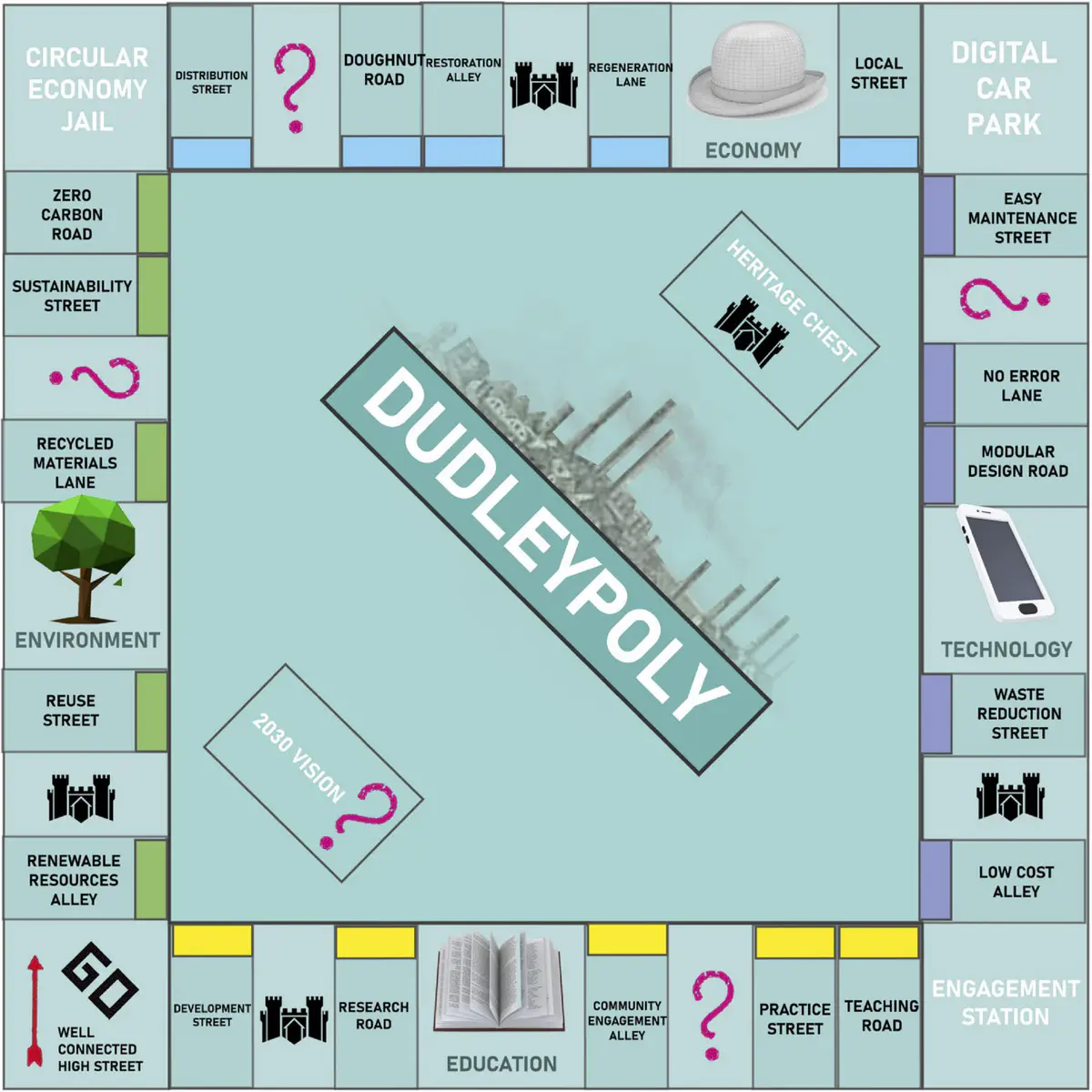
We created a visual representation of the main factors and sectors we came across in our research and explored individually: environment, economy, technology and education. It also summarises our goal of creating a connected High Street, and the steps we took to achieve this goal. - 1_7s93a2RG5Ut3waM0oEJExw.png
We created a visual representation of the main factors and sectors we came across in our research and explored individually: environment, economy, technology and education. It also summarises our goal of creating a connected High Street, and the steps we took to achieve this goal.
Other visual delight Imagining Economics Play Regenerative Technology Waste Learning Fairness Community Connection Material Sustainable Future Past Doughnut Industry
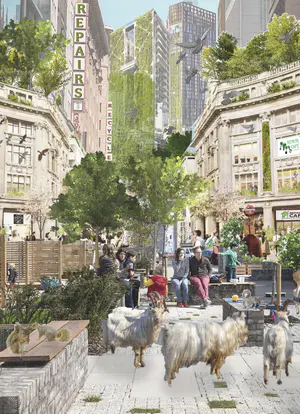
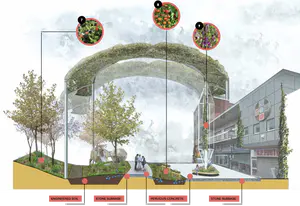
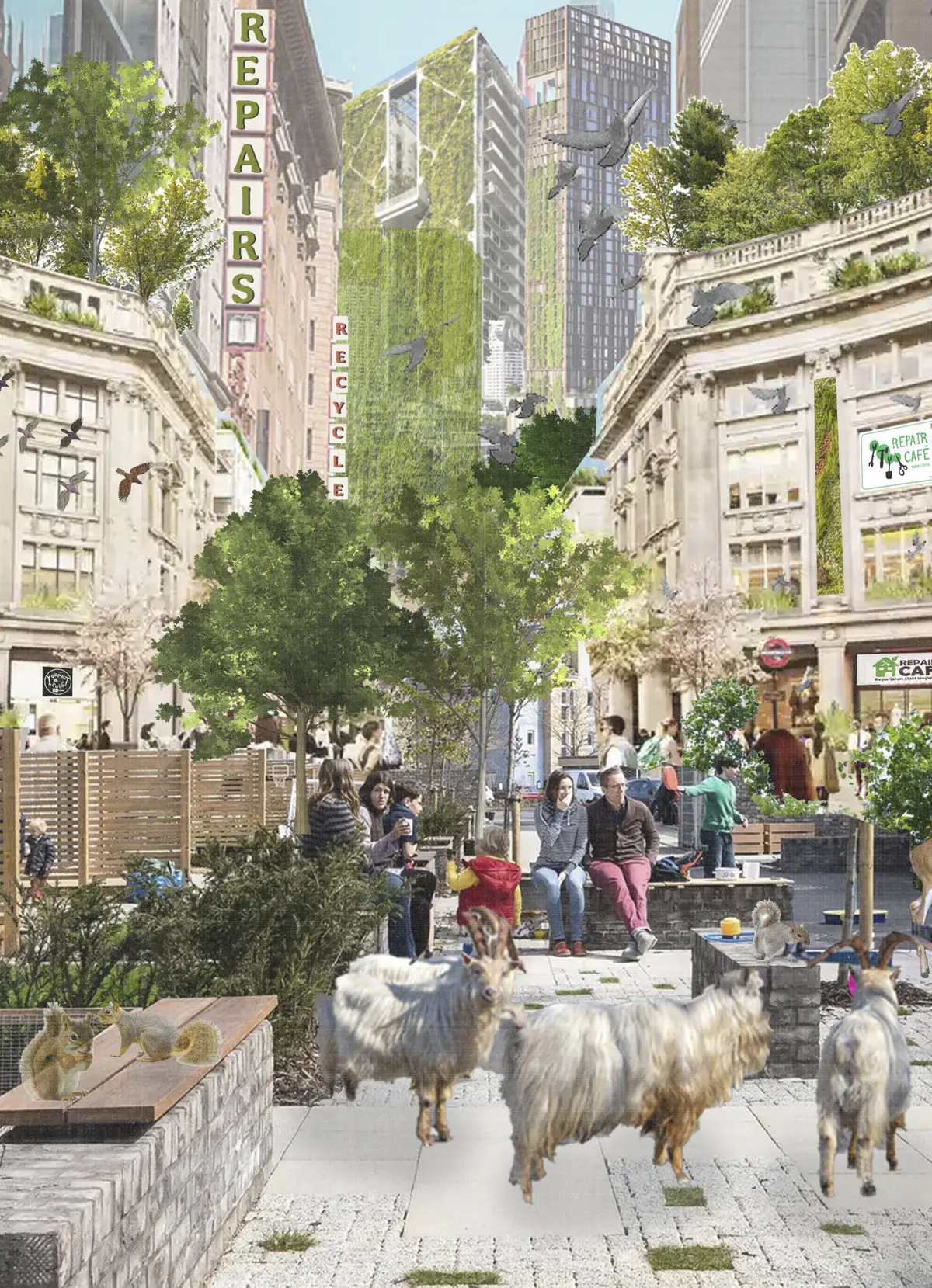
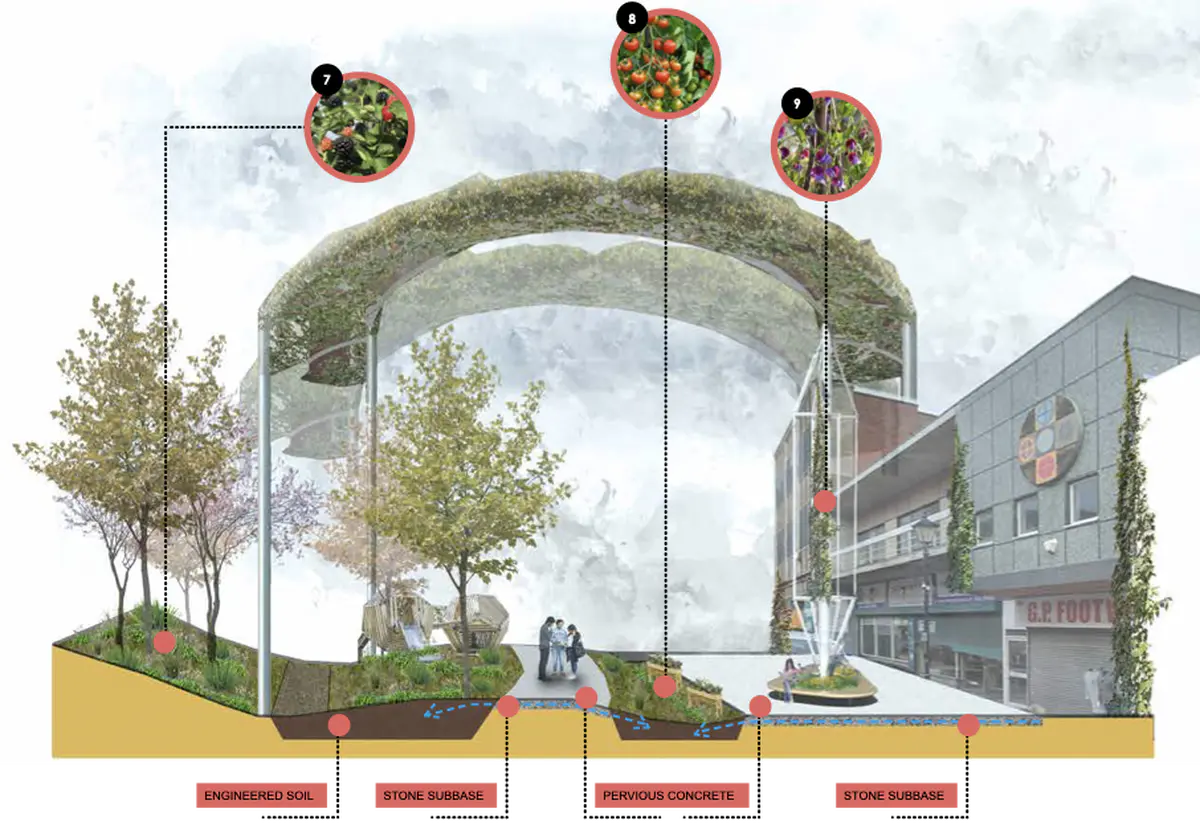
This visual represents Dudley High Street re-imagined; a new vision of a re-wilded, food-centric town centre. The green canopy will begin as a frame that will encourage the growth of plants. Smaller scale units will be integrated at the start and build towards the final vision. - 1_8oJ0eISAIDZ0uX4_VksliQ.png
This visual represents Dudley High Street re-imagined; a new vision of a re-wilded, food-centric town centre. The green canopy will begin as a frame that will encourage the growth of plants. Smaller scale units will be integrated at the start and build towards the final vision.
Collage Imagining Abundance Access Big Things Change Food Future Growing High Imagination Layer Life Lingering Material Nature Opportunity People Plantlife Potential Regenerative Relaxing Shelter Sustainable Views
Localising Material Accessibility
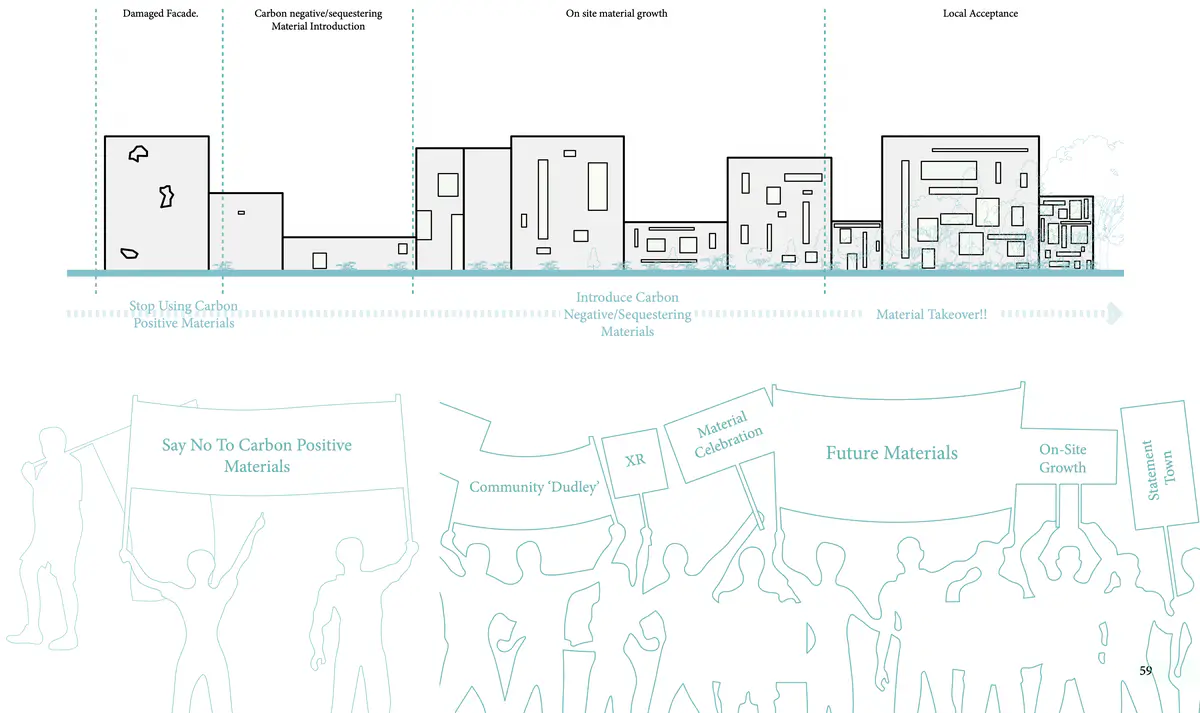
During my initial walk through the High Street of Dudley, I noticed an inevitable decline in the area. There were vacant shops, but those open had apparent facade damage. For the area to thrive, there needs to be an aesthetical uplift. Here I began to question how to make the repairs. On the one hand, one could complete a like for like repair with a deep clean to provide a new lease of life to achieve an aesthetical value. Alternatively, the repairs could be a status of where the street aims to be in the future. To achieve a statement, the implementation of repair work needs to stand out. It needs to be futuristic, a bold contrast to the existing.

At this point, I decided that after being informed of the damage the built environment has on the climate crisis, only carbon zero/ carbon sequestering materials would be present during repairs. This does not aim to destroy existing buildings but instead carefully implement repairs creating a patchwork effect across the street. This would then grow over time as more repair work is required.

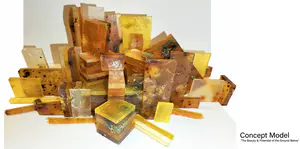
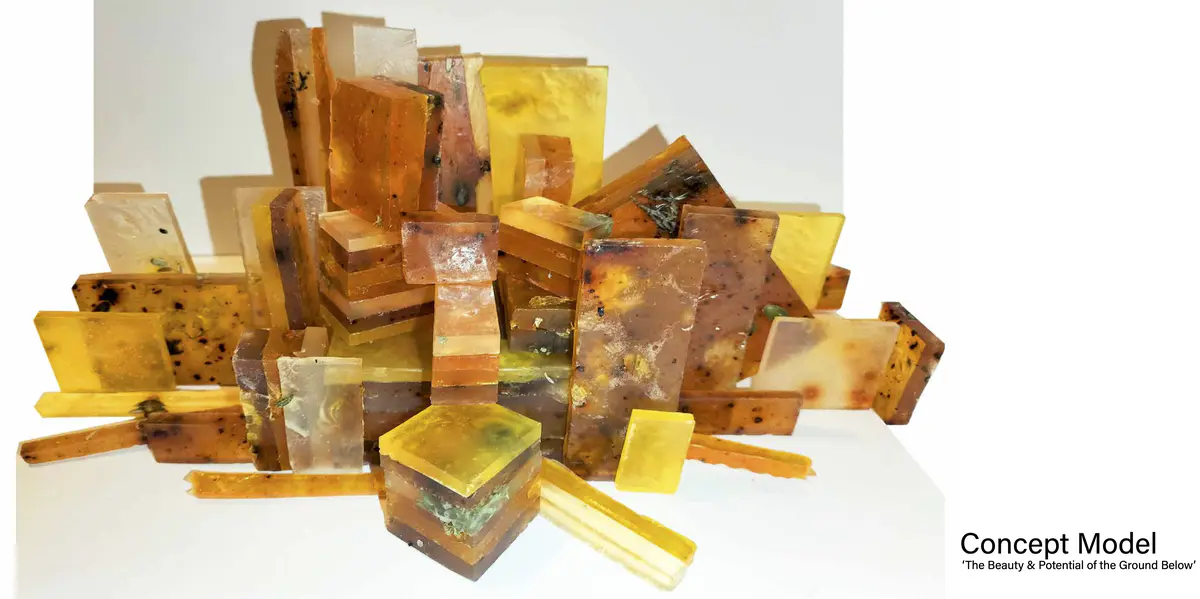
Over time, the high street would transform into a zero-carbon environment. The manufacturing and growth of these materials need to be local, so consideration is vital. This provides an opportunity for the site to be a material producer itself. - Ryan Cooksey Ban Materials.png
Localising Material Accessibility During my initial walk through the High Street of Dudley, I noticed an inevitable decline in the area. There were vacant shops, but those open had apparent facade damage. For the area to thrive, there needs to be an aesthetical uplift. Here I began to question how to make the repairs. On the one hand, one could complete a like for like repair with a deep clean to provide a new lease of life to achieve an aesthetical value. Alternatively, the repairs could be a status of where the street aims to be in the future. To achieve a statement, the implementation of repair work needs to stand out. It needs to be futuristic, a bold contrast to the existing. At this point, I decided that after being informed of the damage the built environment has on the climate crisis, only carbon zero/ carbon sequestering materials would be present during repairs. This does not aim to destroy existing buildings but instead carefully implement repairs creating a patchwork effect across the street. This would then grow over time as more repair work is required. Over time, the high street would transform into a zero-carbon environment. The manufacturing and growth of these materials need to be local, so consideration is vital. This provides an opportunity for the site to be a material producer itself.
Map Diagram Material Transport Climate Change Potential Opportunity System Decay Aesthetic Future Imagination Regenerative Growing Community Identity Pollution Industry Sustainable Connection Nature Biodiversity Creatures Doughnut Architecture
A vision for the High Street - Michelle Gartside Vision for the High Street.png
A vision for the High Street
Collage Creatures Stillness Lingering People Nature Imagination Plantlife Life Growing Opportunity Future Architecture Waste Regenerative Sustainable
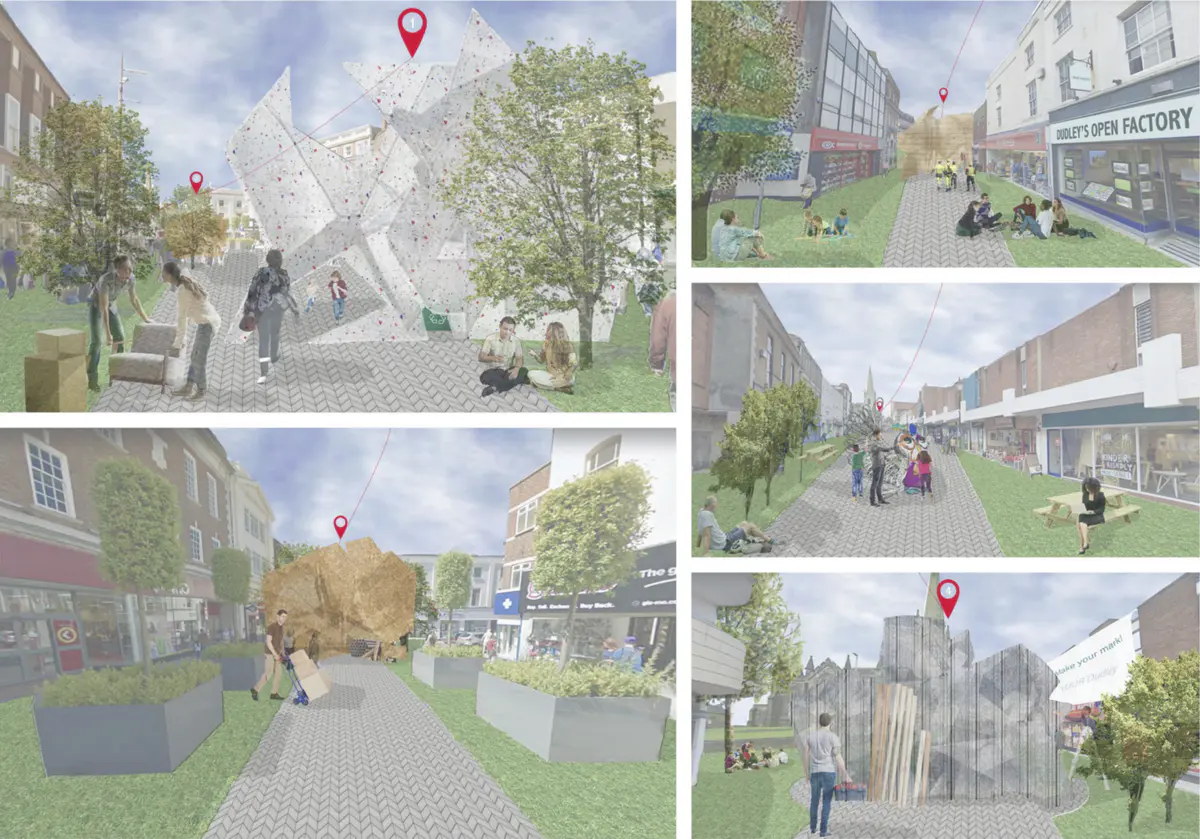
Our collective vision for Dudley is to support a creative community that is connected through our internet of things; creating spaces that allow for the collection and redistribution of materials that locals can use to construct products with. Community engagement is central to this design network with local businesses encouraged to get involved in manufacturing. 

We decided to bring alive this vision through a series of pavilions positioned through the High Street, following a process through recycling, storing constructing and manufacturing. To take this idea further, we allocated several empty units along the High Street to become spaces involved in the open factory, from workshops, educational centres and co-working hubs. Since we wanted to show the journey people would be able to take, we decided to create a storyboard for our final visual.

These visuals show how the pavilions could sit in the High Street, starting at the market place, past CoLab Dudley’s base, and ending up at Top Church. We wanted to show how people would be able to interact with these different spaces and navigate between them. - 1_VMp1Jai-Vr7tZ4pe8U752Q.png
Our collective vision for Dudley is to support a creative community that is connected through our internet of things; creating spaces that allow for the collection and redistribution of materials that locals can use to construct products with. Community engagement is central to this design network with local businesses encouraged to get involved in manufacturing. We decided to bring alive this vision through a series of pavilions positioned through the High Street, following a process through recycling, storing constructing and manufacturing. To take this idea further, we allocated several empty units along the High Street to become spaces involved in the open factory, from workshops, educational centres and co-working hubs. Since we wanted to show the journey people would be able to take, we decided to create a storyboard for our final visual. These visuals show how the pavilions could sit in the High Street, starting at the market place, past CoLab Dudley’s base, and ending up at Top Church. We wanted to show how people would be able to interact with these different spaces and navigate between them.
Collage Map Drawing Imagining Community Creativity Technology Doughnut Regenerative Material Making Connection Economics Unused Ownership Learning Agency Abundance Actions Change Future Imagination Industry Interacting Invitations Opportunity People Potential Shelter Architecture Difference
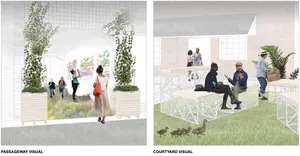
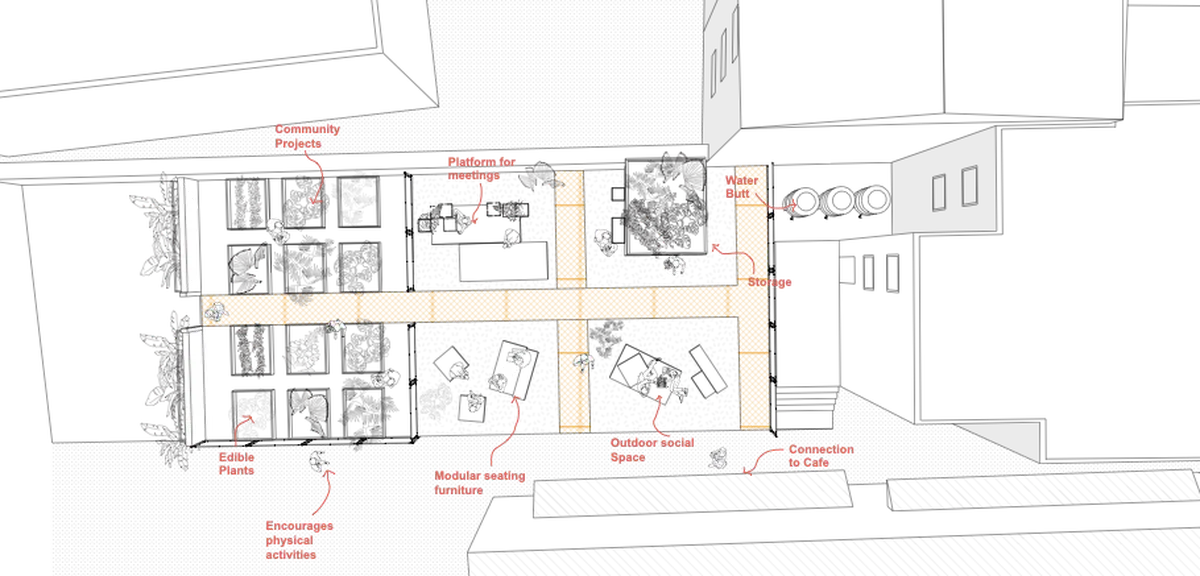
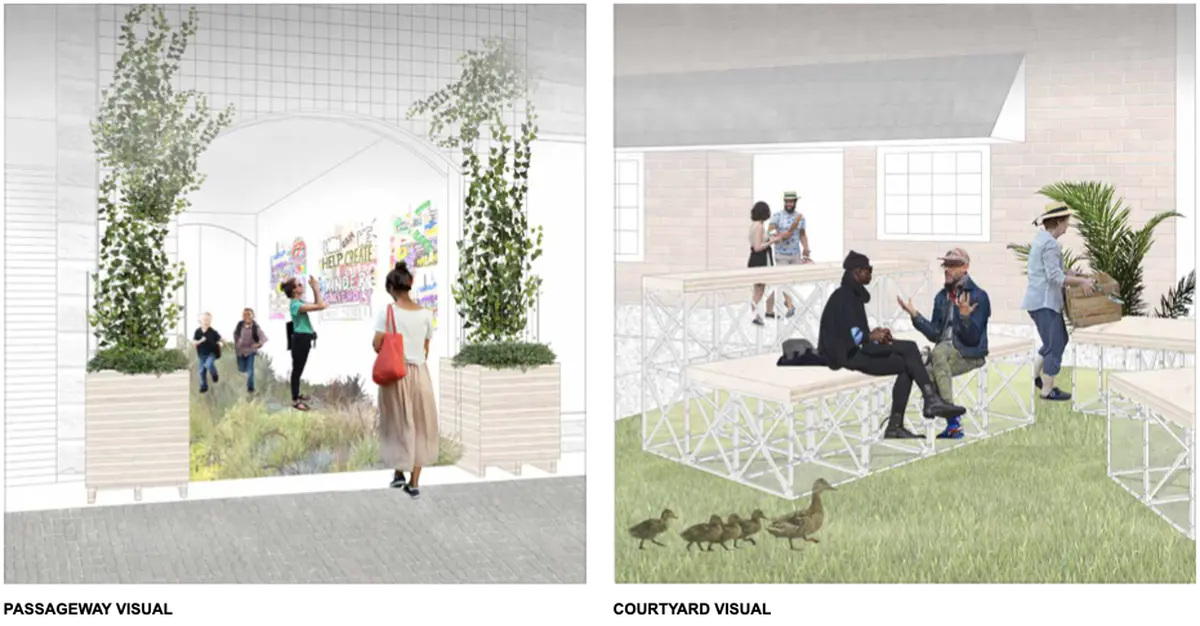
By using the courtyard space as allotments, it will create a social hub for the local people and connect it to local businesses and stores. - 1_Vpf99A9HuEdBxMXJ0etfRw.png
By using the courtyard space as allotments, it will create a social hub for the local people and connect it to local businesses and stores.
Drawing Imagining Water Abundance Actions Care Change Community Connection Future Growing Imagination Interacting Invitations Life Lingering Nature Opportunity People Plantlife Potential Regenerative Relaxing Stillness Sustainable
Street scale patchwork

Investigating Facade Damage will highlight where the repair needs to be undertaken.

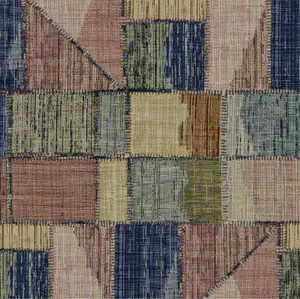
It is creating an irregular pattern of repair that evolves.

Only intervene when necessary; this proposal will not ‘repair what does not need fixing’ as it appreciates there could be a negative effect on an already declining high street.

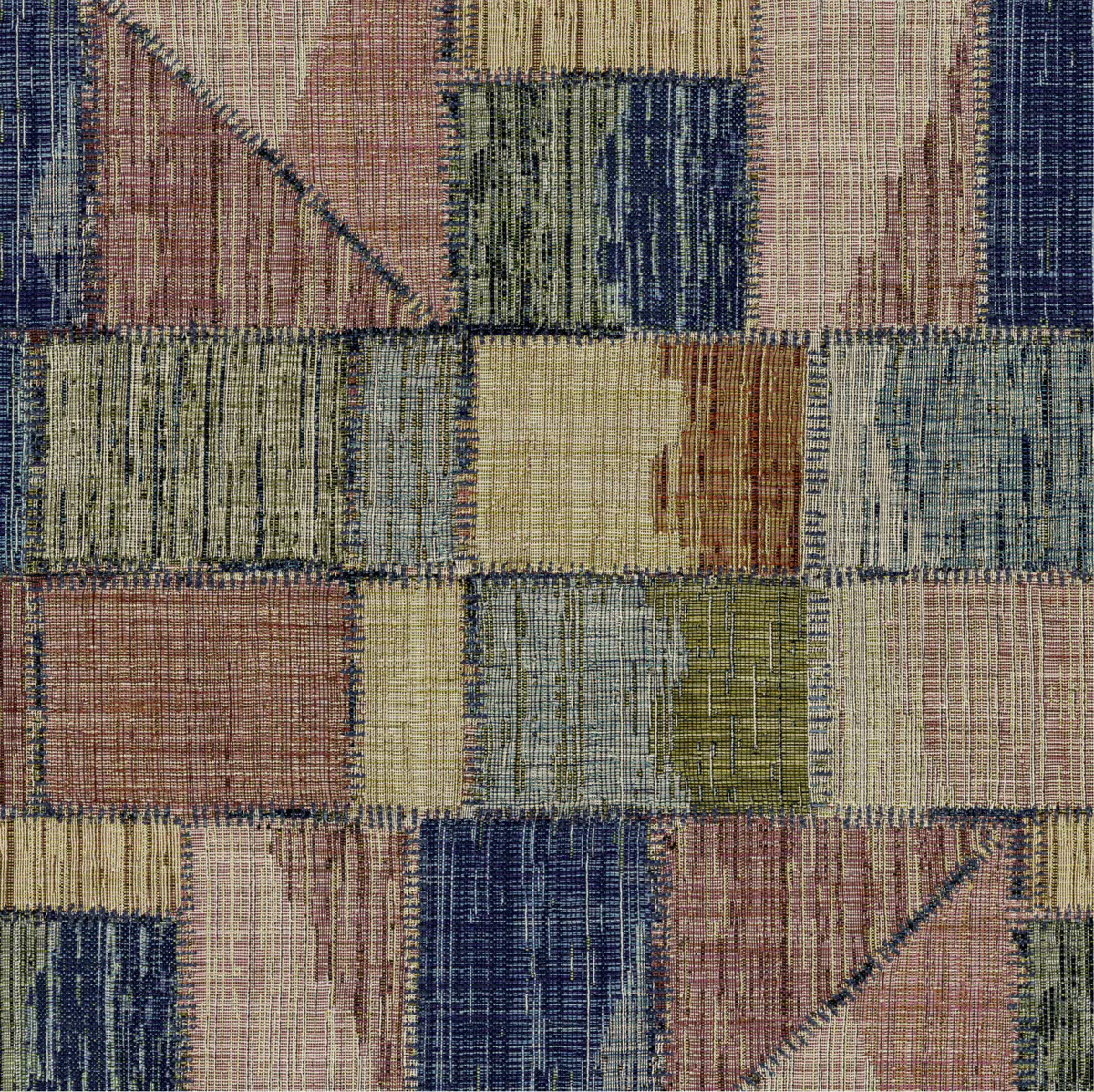
Repairs will be constructed with the materials grown on the street as part of the Macro-scale intervention. - Ryan Cooksey Street Scale Patchwork 1.png
Street scale patchwork Investigating Facade Damage will highlight where the repair needs to be undertaken. It is creating an irregular pattern of repair that evolves. Only intervene when necessary; this proposal will not ‘repair what does not need fixing’ as it appreciates there could be a negative effect on an already declining high street. Repairs will be constructed with the materials grown on the street as part of the Macro-scale intervention.
Diagram Drawing Imagining Text Photo Textile Sustainable Regenerative Potential Opportunity Architecture Change Decay Unused Aesthetic Repair Care Broken Pattern Material Growing Nature Plantlife Imagination Climate
Nurturing AgroEcology in Urban Life
A strategy for living alongside food production

A critical part of the climate crisis is the degradation of soil, leading to scientists predicting the UK has approximately 100 harvests left of stable crop production. As an attempt to address the problem this project will explore the possibility of integrating sustainable agriculture into an urban setting, reducing the strain on agricultural land, reducing food miles and widening city biodiversity. Taking guidance from the farming movement, ‘Agroecology,’ a climate conscious, wildlife supporting and community engaged closed loop system will be developed, combining traditional growing with technology driven techniques that will support each other to produce a diverse plate.

Dudley High Street will be the focal point, reinvented as a destination not just for the purchase and consumption of food but also its creation, driven by the needs and engagement of local people. Connecting the community to the food they eat. - Annabel Linch 1.png
Nurturing AgroEcology in Urban Life A strategy for living alongside food production A critical part of the climate crisis is the degradation of soil, leading to scientists predicting the UK has approximately 100 harvests left of stable crop production. As an attempt to address the problem this project will explore the possibility of integrating sustainable agriculture into an urban setting, reducing the strain on agricultural land, reducing food miles and widening city biodiversity. Taking guidance from the farming movement, ‘Agroecology,’ a climate conscious, wildlife supporting and community engaged closed loop system will be developed, combining traditional growing with technology driven techniques that will support each other to produce a diverse plate. Dudley High Street will be the focal point, reinvented as a destination not just for the purchase and consumption of food but also its creation, driven by the needs and engagement of local people. Connecting the community to the food they eat.
Drawing Map Imagining Nature Life Plantlife Growing Climate Soil Sustainable Food Biodiversity Creatures Community System Technology Consumption Creativity People Connection Architecture Pollution Regenerative Potential Opportunity Imagination Craft Making Material
The first Stepping Stone project looks into designing multifunctional furniture for Dudley High Street to provide opportunities for a regenerative community, focusing on how the high street can be occupied with resilience. Initially, the stalls act as market stalls to provide opportunities for enterprises and small businesses to begin thriving and encouraging the High Street to become a place of inclusivity.

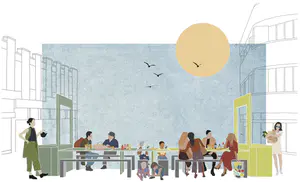
However, the stalls can extend out into outdoor seating arrangements, which can become an extension of the community kitchen and during events can become a part of the whole atmosphere.

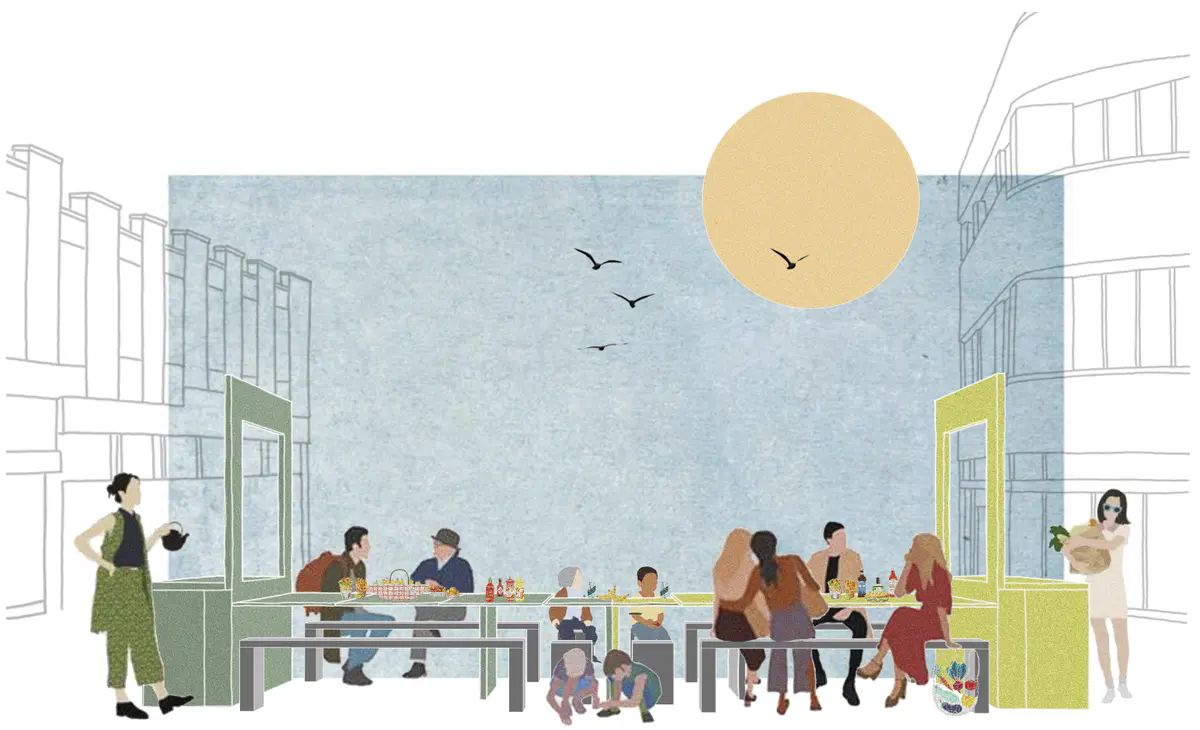
By extending the furniture, they can connect together and become a large spread where people can sit together and enjoy company. It creates a lowered centre space so children can sit together, or paint on the surfaces. We decided to focus on furniture because we felt the importance of it can go unrecognised. We felt through the design of this market stall, many memories can be created and attached to these items, and become valuable assets within the community. - 1_OZxPTXXsNAi7K07s8cozeQ.png
The first Stepping Stone project looks into designing multifunctional furniture for Dudley High Street to provide opportunities for a regenerative community, focusing on how the high street can be occupied with resilience. Initially, the stalls act as market stalls to provide opportunities for enterprises and small businesses to begin thriving and encouraging the High Street to become a place of inclusivity. However, the stalls can extend out into outdoor seating arrangements, which can become an extension of the community kitchen and during events can become a part of the whole atmosphere. By extending the furniture, they can connect together and become a large spread where people can sit together and enjoy company. It creates a lowered centre space so children can sit together, or paint on the surfaces. We decided to focus on furniture because we felt the importance of it can go unrecognised. We felt through the design of this market stall, many memories can be created and attached to these items, and become valuable assets within the community.
Collage Drawing Imagining Regenerative Community Resilient Opportunity Invitations Friendliness Fairness Food Stillness Lingering Connection Commerce Low Colour Memory Agency Change Conversation Creativity Culture Future Imagination Interacting Life People Potential Relaxing